

Teacher Newsletter on Intervention Tiers: Explaining RTI to Families
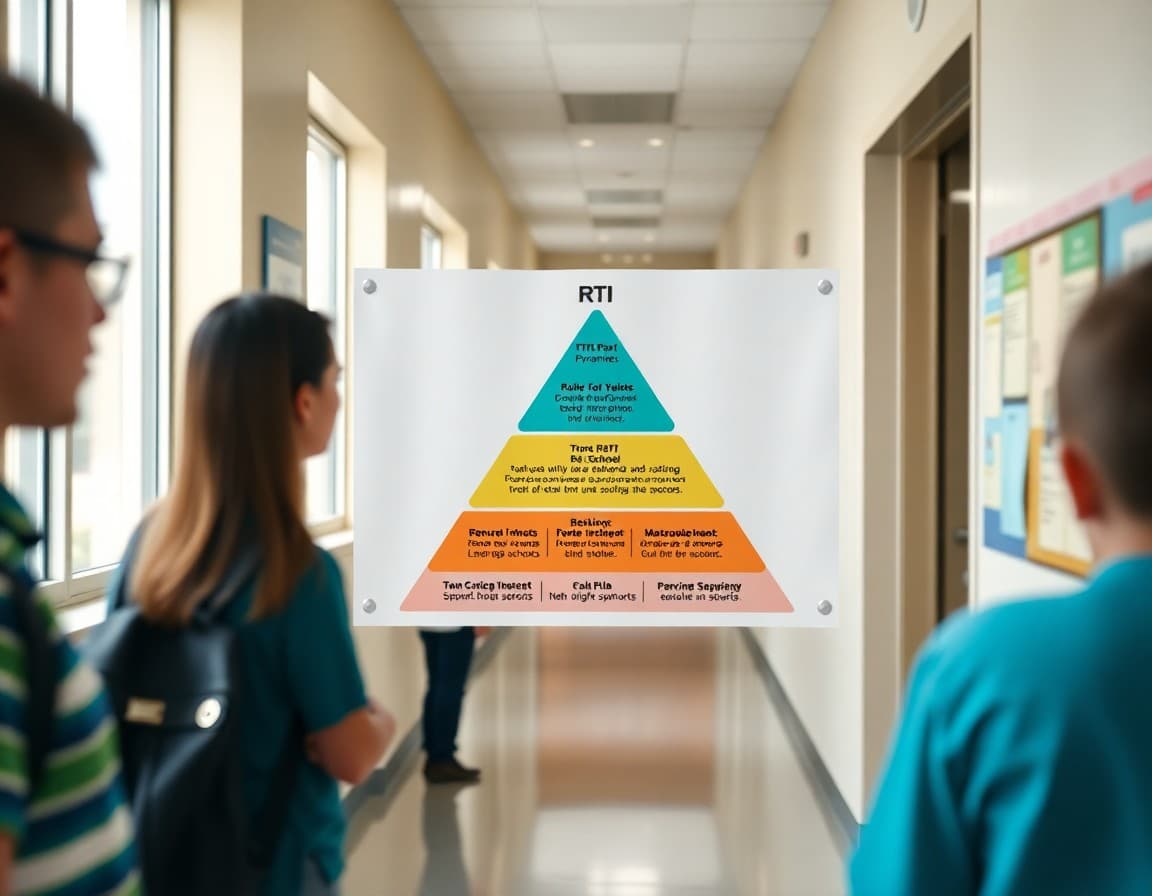
Intervention tier language is used widely in schools and understood by almost no families. When a teacher mentions Tier 2 support in a meeting or a newsletter, most families hear a level of severity they may not be able to place accurately. Your newsletter can translate the framework into language families actually understand, which makes them better partners in the intervention process.
Explain the Tiered Framework Clearly
Start with the basics. "Most schools use a three-tier support system. Tier 1 is the instruction every student in the class receives. It is the core curriculum. Tier 2 means a student is receiving additional, targeted support beyond what the whole class gets, usually in a small group. Tier 3 means a student needs even more intensive, individualized support on top of Tiers 1 and 2." Those three sentences are the whole framework. Everything else is elaboration.
Tell Families What Tier Placement Is Based On
Explain the data behind the tiers. Students are placed in Tier 2 or Tier 3 based on assessment results: benchmark screenings, skill assessments, and progress monitoring data. Not on behavior, not on personality, not on subjective impression. "When an assessment shows that a student is below the benchmark for a specific skill, additional targeted instruction is how we respond." The data-driven nature of the placement is reassuring to most families.
Reassure Families That Tier 2 Is Not a Label
Tell families what Tier 2 support is not. It is not a special education diagnosis. It is not a permanent placement. It is not a sign that a student is unable to learn at grade level. It is targeted practice aimed at closing a specific gap. "Many students receive Tier 2 support for one or two marking periods and then no longer need it because the targeted practice worked." That context matters enormously for a family whose child was just moved into additional support.
Explain How Students Move Between Tiers
Tell families that tiers are not permanent. Students move up when progress monitoring data shows they have reached the benchmark. Students move into more intensive support when the current level is not producing adequate growth. The movement is driven entirely by data, not by teacher discretion. "If your child is in Tier 2 support and the data shows they are closing the gap, they will move back to Tier 1 only. If the data shows they need more, we increase the intensity. The data drives the decision."
Give Families a Clear Home Role
Tell families what consistent home support looks like for each tier. For Tier 1: the standard home support every student needs: reading daily, completing homework consistently. For Tier 2: the specific additional practice the intervention teacher assigns. Ten minutes daily of targeted reading or math practice. For Tier 3: close coordination with the intervention team, following a specific protocol rather than well-intentioned improvisation. "The most helpful thing families can do is follow the specific guidance from the intervention teacher rather than adding their own methods on top of it."
Explain What Happens If Intervention Is Not Working
Tell families what the escalation path looks like. If a student does not respond to Tier 2 intervention, the school increases intensity. If Tier 3 intervention does not produce adequate growth, the next step is typically a referral for a psychoeducational evaluation. "The system is designed to catch students before they fall through the cracks. Each tier is a more intensive safety net. If we reach Tier 3 and see limited progress, the next conversation is about whether an evaluation for a learning disability is appropriate."
Invite Open Communication
Close by making it easy for families to ask questions. "If your child is receiving Tier 2 or 3 support and you want to understand the specific skill they are working on, the data behind the placement, and what you can do at home, please reach out to me or to the intervention teacher directly. The more aligned school and home are, the faster the gap closes."
Get one newsletter idea every week.
Free. For teachers. No spam.
Frequently asked questions
What should an intervention tier newsletter include?
Include what the three tiers of support mean in your school, how students move between tiers, what receiving Tier 2 or 3 support means and does not mean, and what families can do at home to complement the intervention.
How do I explain Tier 1, 2, and 3 support to families in plain language?
Tier 1 is the instruction every student receives. Tier 2 is small group support in addition to Tier 1, typically for students who are behind grade-level benchmarks. Tier 3 is intensive individualized support for students who did not respond adequately to Tier 2. Use those plain descriptions rather than the acronyms.
What does it mean if my child is receiving Tier 2 support?
It means your child showed on an assessment that they need more targeted practice in a specific skill area than the whole-class instruction provides. It is not a diagnosis. It is additional practice at the level the student needs. Many students move out of Tier 2 support within a few months as the targeted practice closes the gap.
How can families support a student in Tier 2 or Tier 3 intervention at home?
Follow the specific guidance from the intervention teacher: practice the specific skill at the level being targeted, do not skip ahead, maintain consistency. For reading: daily oral reading at the appropriate level. For math: specific fact or skill practice that aligns with the intervention focus. Ten minutes daily beats ninety minutes once a week.
Can I use Daystage to send an intervention tier update to families?
Yes. Daystage is a good format for this kind of informational newsletter because you can structure it clearly with the tier definitions, the family support role, and contact information for the intervention teacher. Families who have the information in a readable format are more likely to act on it than families who received a confusing handout at a meeting.

Adi Ackerman
Author
Adi Ackerman is a former classroom teacher and curriculum writer with 8 years in K-8 schools. She writes about school communication, parent engagement, and what actually works in real classrooms.
More for Classroom Teachers
Explaining Response to Intervention to Families in Your Teacher Newsletter
Classroom Teachers · 6 min read
Teacher Newsletter Featuring the Reading Specialist: What Families Should Know
Classroom Teachers · 6 min read
How to Explain Progress Monitoring to Families in Your Teacher Newsletter
Classroom Teachers · 6 min read
Ready to send your first newsletter?
3 newsletters free. No credit card. First one ready in under 5 minutes.
Get started free