
How to Write an International Day Classroom Newsletter to Parents
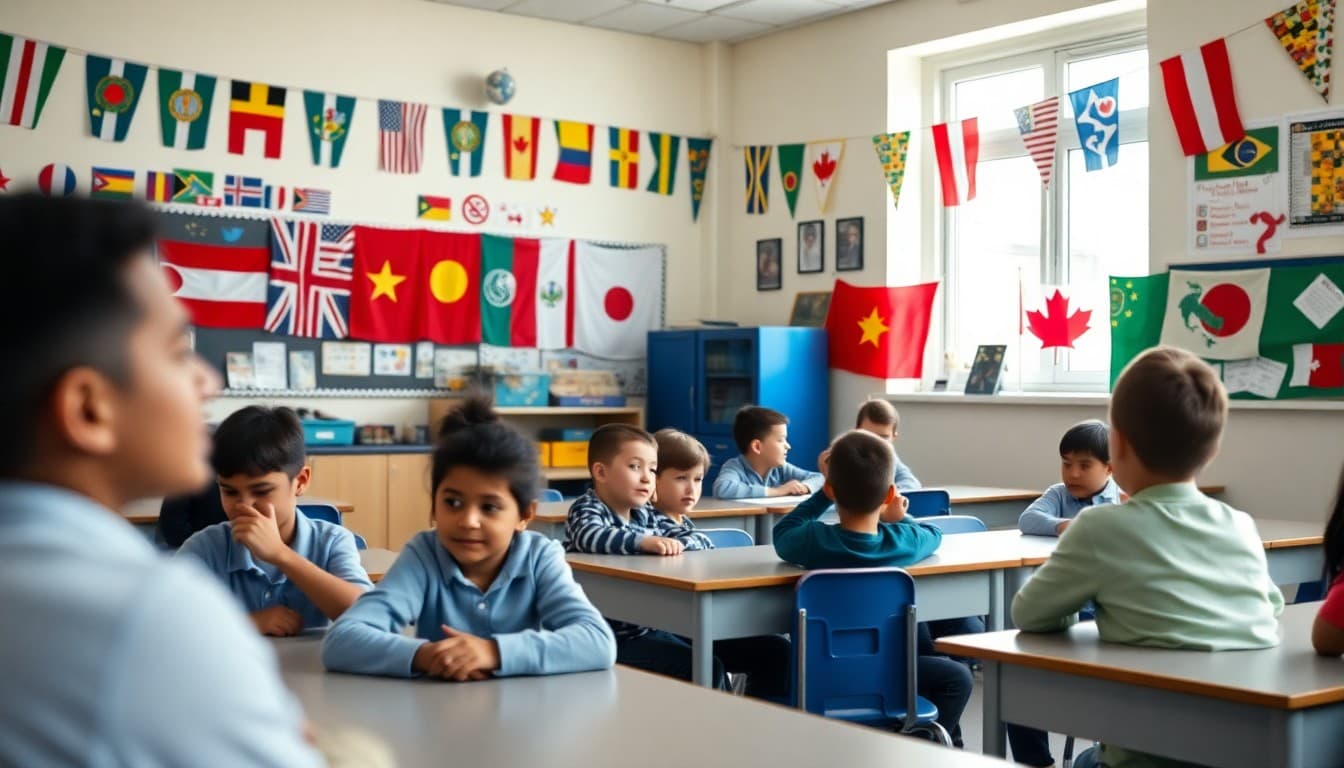
International Day is one of those events that has enormous potential and just as enormous potential for awkwardness if it is not set up carefully. A well-written newsletter frames the event as genuine cultural learning rather than a show-and-tell of stereotypes, gets families excited to contribute, and gives everyone enough information to participate confidently.
Start with the learning intention
Before parents hear about food or flags or costumes, tell them what your students have been learning and how International Day connects to it. Geography, cultural history, global perspectives, language diversity. This positions the event as part of a serious curriculum rather than a one-day celebration that exists separately from the real work of school.
Explain the format clearly
Walk families through what will actually happen. Will there be stations? Presentations? A meal? A performance? Who is invited to attend? How long will it run? Parents who can picture the event are more likely to prepare thoughtfully than parents who are guessing. If there are different components at different times, a brief schedule helps a lot.
Invite contributions without pressure
Ask families to share something from their cultural background and offer several ways to do it. A dish, a craft, an artifact, a story, a few words in another language. Make explicit that no contribution is required and that students who come from mixed backgrounds or whose families are not comfortable sharing publicly are equally valued participants. The invitation should feel genuinely optional.
Handle the food component carefully
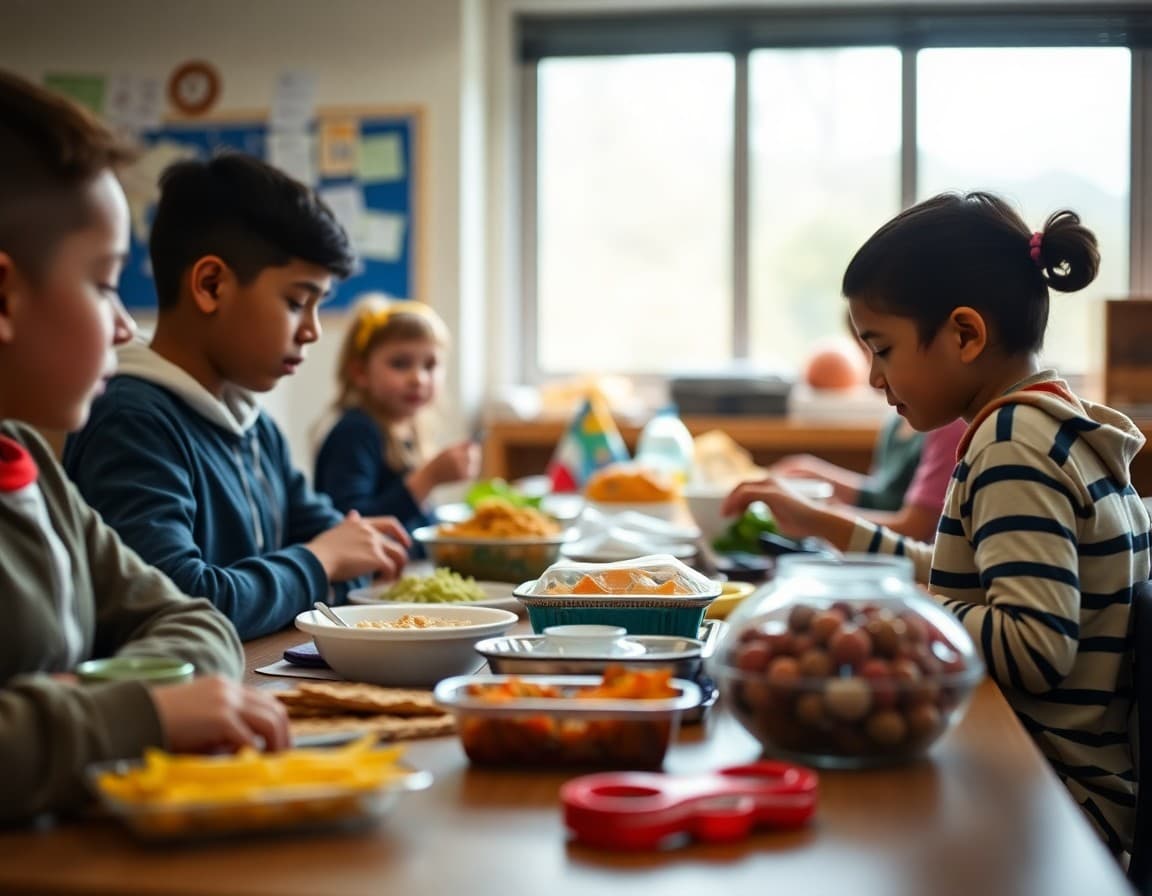
If your International Day includes food, address allergies proactively. Ask contributing families to list ingredients. Designate a nut-free or allergen-aware section if needed. Let families know in advance so students with restrictions know how to navigate the event safely. This logistical section matters more than most teachers realize until something goes wrong.
Set the cultural respect tone
Let parents know what norms you have established with your students for the day. Questions that come from curiosity, listening before comparing, not making assumptions about what someone eats or believes based on where they come from. Sharing the classroom norms in the newsletter means parents can reinforce them at home in the days before the event.
Include practical logistics
Date, arrival time for contributing families, where to drop off food or items, whether students should wear anything special. Logistics handled in the newsletter prevent a flurry of last-minute questions. A simple list format works well here and is easier for families to refer back to than buried details in the middle of a long paragraph.
Plan a follow-up recap
After the event, a short newsletter with photos and highlights from the day closes the loop for families who could not attend and gives contributing families a chance to see how their efforts landed. This kind of follow-up also signals to families that their contributions mattered to you, which builds goodwill for the next event you organize.
Daystage makes it easy to send the pre-event newsletter, collect family sign-ups, and follow up with a photo recap all in one place. Families appreciate a clear communication thread from announcement to celebration to results.
Get one newsletter idea every week.
Free. For teachers. No spam.
Frequently asked questions
How do I invite families to contribute to International Day without making anyone feel excluded?
Make participation optional and give multiple ways to contribute. Some families may share a dish, others an artifact, others a story. Families who are not comfortable sharing publicly can contribute through a private conversation with you. Make clear that every background is welcome and that no family is expected to represent an entire culture on their own.
What should I include in an International Day newsletter?
The event date and schedule, what students have been learning in class, how families can participate, any items students should bring, how to handle food allergies if there is a food component, and a note about the cultural respect guidelines you have established for the class.
How do I address cultural sensitivity in my newsletter?
Be direct but warm. Let families know that the goal is celebration and learning, not performance or stereotyping. Share the ground rules you have established with students about asking respectful questions and listening with curiosity. Parents will follow the tone you set.
What if some families do not identify with one specific country or culture?
International Day should celebrate heritage broadly, not just national identity. Families can share cultural practices, foods, stories, or languages tied to their family background regardless of citizenship. Make this explicit in your newsletter so no family feels excluded by the framing.
What tool helps teachers send International Day event newsletters?
Daystage makes it easy to build an event newsletter with all the logistics, a sign-up for family contributions, and a follow-up recap with student photos so families who could not attend still feel connected to the celebration.

Adi Ackerman
Author
Adi Ackerman is a former classroom teacher and curriculum writer with 8 years in K-8 schools. She writes about school communication, parent engagement, and what actually works in real classrooms.
More for Classroom Teachers
Ready to send your first newsletter?
3 newsletters free. No credit card. First one ready in under 5 minutes.
Get started free