

How to Write an Inquiry-Based Learning Newsletter to Parents
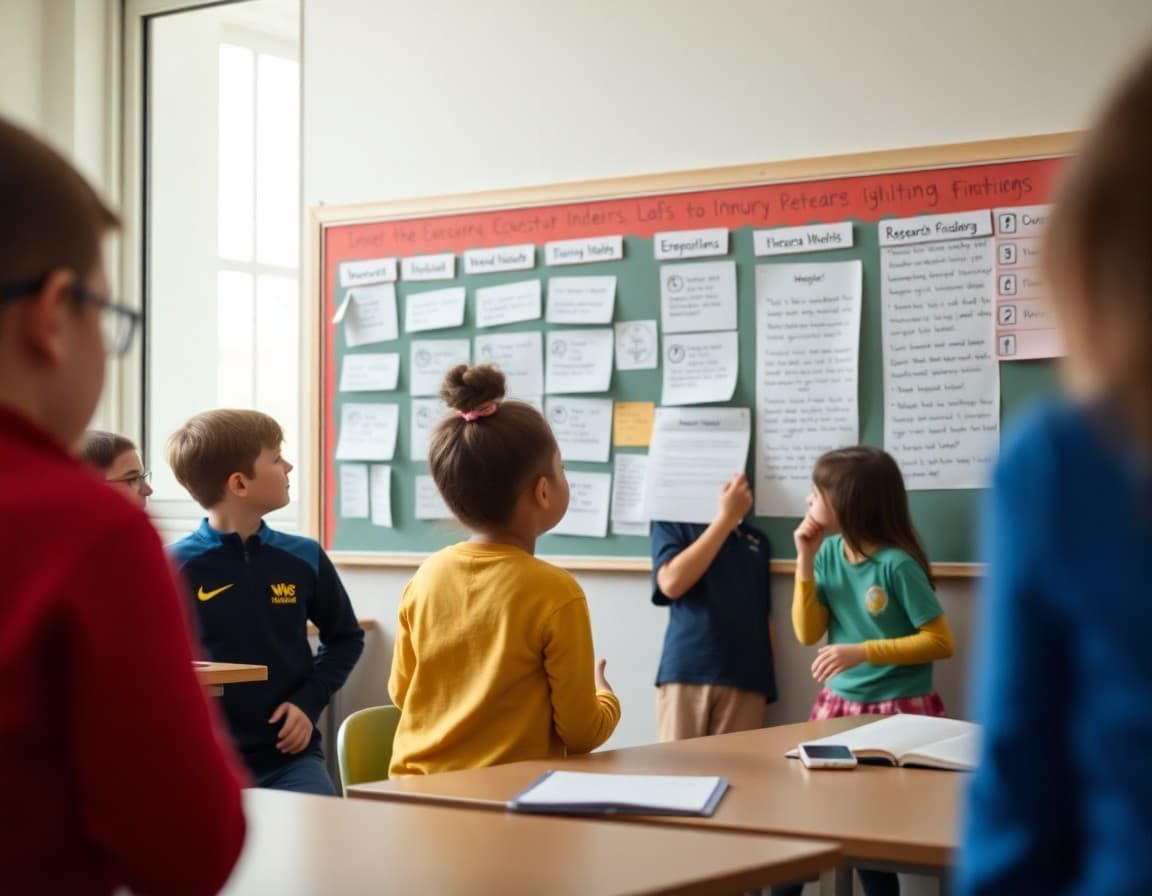
Inquiry-based learning newsletters need to close a specific gap: the distance between what the classroom looks like to a visiting parent and what is actually happening. An inquiry classroom can look noisy, messy, and student-directed in ways that make some families nervous. A newsletter that explains the structure and the learning science behind the approach replaces that nervousness with genuine curiosity about what their student is discovering.
Open with a student question
Start your newsletter with an actual question a student in your class is investigating. "One of our students asked: why do some animals change color and others do not?" This opening immediately shows families that inquiry learning is driven by real intellectual curiosity, not a random collection of activities. A specific question is more engaging than a pedagogy description.
Explain what inquiry learning actually means
Many families hear "inquiry" and imagine students drifting around a classroom doing whatever interests them. Correct this directly. Inquiry learning involves generating and testing questions, gathering evidence, analyzing data, forming conclusions, and communicating findings. These are skills that appear explicitly in academic standards and that transfer across every subject and every career.
Show the structure behind the inquiry
Describe the scaffolding you provide. Question generation guides, research frameworks, note-taking systems, evidence-based argument structures. Families who see that inquiry learning has a rigorous process rather than just an attitude trust it more. The structure is what separates inquiry from guessing.
Connect inquiry to academic standards
Name the standards and skills your current inquiry investigations address. Reading informational text, citing evidence, scientific method, data analysis, historical thinking. Parents who can see the curriculum alignment relax about rigor. You do not need a lengthy list, two or three specific connections is enough to make the point.
Describe the teacher's role in inquiry
Some parents assume that inquiry means the teacher steps back entirely. Explain what your role looks like. You design the inquiry experience, provide access to resources, guide the investigation process, ask probing questions that deepen thinking, and facilitate sharing and discussion of findings. You are not less present in an inquiry classroom. You are present differently.
Tell families how to cultivate inquiry at home
Inquiry is a mindset, not just a classroom strategy. Families who practice asking and investigating questions at home extend the learning environment. When something surprising happens, ask your student how they might figure out why. Look things up together rather than just providing answers. Follow a curiosity together for an evening. These small habits reinforce the inquiry disposition that your classroom is building.
Share what students are discovering
Close your newsletter with a brief glimpse of what your class has been uncovering through inquiry. One finding, one surprising turn in an investigation, one moment where a student's thinking shifted. Families who get a taste of the real intellectual work happening in your classroom are far more supportive of the approach than families who only receive explanations of why it should work.
Daystage makes it easy to send regular inquiry updates to families so the learning your students are doing stays visible and connected to home life throughout the inquiry cycle. Families who feel informed become advocates for the approach.
Get one newsletter idea every week.
Free. For teachers. No spam.
Frequently asked questions
How do I explain inquiry-based learning to parents who are used to direct instruction?
Acknowledge the difference directly and address the concern behind the question. Parents who value direct instruction often worry that inquiry means students are left to figure things out alone. Explain that inquiry learning involves teacher guidance, structured skill building, and clear learning goals. The difference is that students are given more agency in the direction of their investigation.
What is the difference between inquiry learning and unstructured free time?
Inquiry learning is structured by questions, skills, and goals. Students are investigating specific concepts or phenomena, using research and reasoning skills, documenting their process, and reaching conclusions they can communicate and defend. This is fundamentally different from open-ended free exploration, and your newsletter should make that distinction clear.
How do I address the rigor concern in an inquiry learning newsletter?
Name the specific standards and skills that inquiry investigations address. Show how the research, reading, writing, and communication involved in inquiry work meets and often exceeds the skills developed through traditional worksheet-based instruction. Evidence-based explanation reduces the rigor concern better than reassurance does.
How can families support inquiry learning at home?
Encourage their student to ask questions about things they observe in everyday life. Help them find answers through research rather than just giving them the answer directly. Talk about how experts in different fields investigate questions in their work. These practices reinforce the inquiry mindset beyond the classroom.
What tool helps teachers communicate about inquiry learning?
Daystage makes it easy to send a thoughtful inquiry learning newsletter that explains your approach in plain language and invites families into the process so they feel connected to what their student is investigating.

Adi Ackerman
Author
Adi Ackerman is a former classroom teacher and curriculum writer with 8 years in K-8 schools. She writes about school communication, parent engagement, and what actually works in real classrooms.
More for Classroom Teachers
Ready to send your first newsletter?
3 newsletters free. No credit card. First one ready in under 5 minutes.
Get started free