
Guest Speaker Teacher Newsletter: Prepare Students and Families

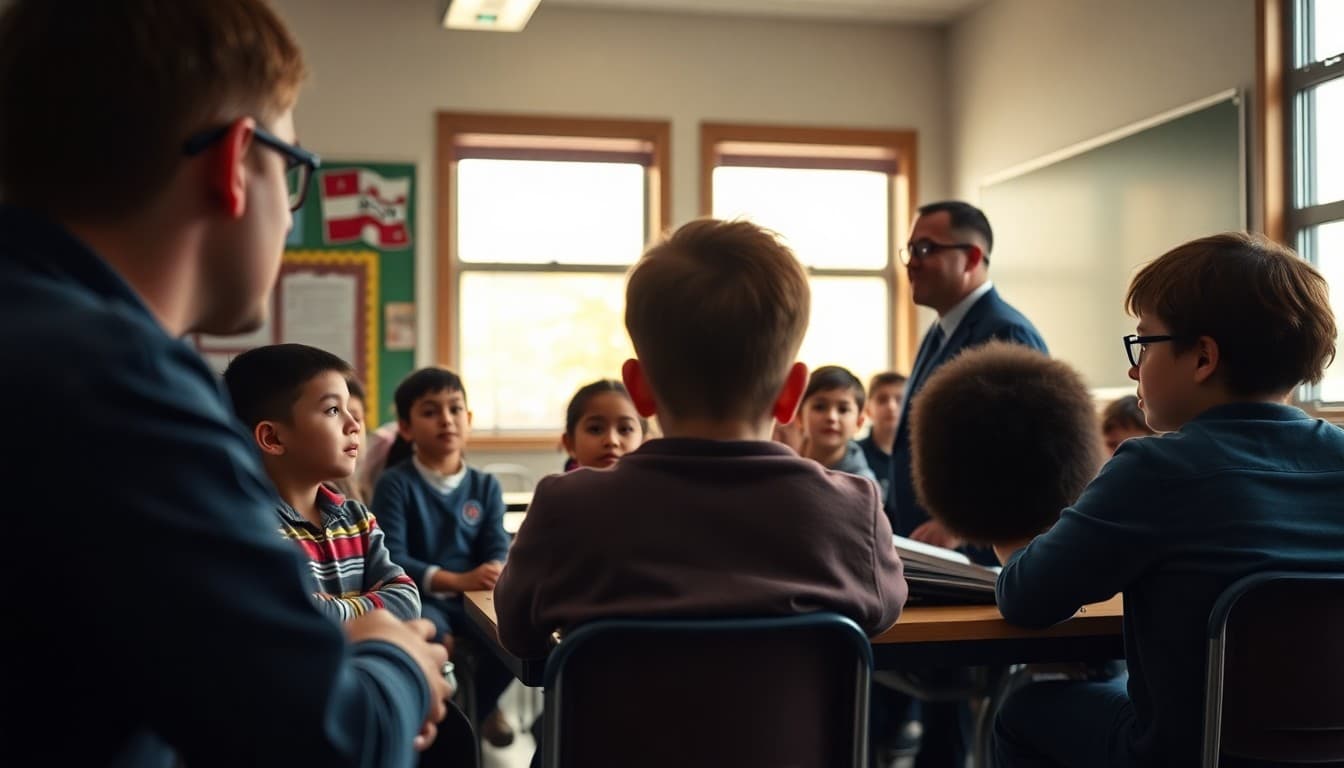
A guest speaker is most valuable when students arrive prepared and families can continue the conversation at home afterward. Without your newsletter, students get a visit from someone interesting. With it, they get a learning experience that connects to their curriculum and lives well beyond the school day. Here is how to write a newsletter that makes that difference.
Who Is Coming and Why
Introduce the speaker in two to three sentences. Not a full biography, but enough context for families to understand who this person is and why their visit is relevant. "On Tuesday, we will be joined by Marcus Chen, a marine biologist who studies coral reef ecosystems. Marcus's work connects directly to our ocean habitat unit, and he will share both scientific findings and the reality of what it is like to do research underwater." That brief introduction gives families a reference for the dinner table conversation they will have after the visit.
The Curriculum Connection
Be specific about how the visit ties to your current unit. "We have spent the last two weeks studying ocean zones and the organisms that live in each. Marcus will deepen that understanding by describing his fieldwork in the coral reef zone and the specific changes he has documented over the past decade." Families who see this connection understand the visit is not a one-off event but a piece of intentional curriculum design.
Student Preparation
Tell families what students are doing to get ready. "Students are preparing two questions each for Marcus: one about what he does in a typical research day and one connected to something from our ocean unit. I want them to ask specific questions, not broad ones. 'Have you personally seen bleached coral?' is a better question than 'what do you do at work?'" That distinction gives families a way to help their child sharpen their question if they ask for input at home.
What Students Will Learn
Preview the learning outcomes. "Students will come away from this visit with a clearer picture of what marine biology looks like as a practice, firsthand data on coral reef changes, and a connection between academic content and real-world scientific work. I also hope it sparks genuine curiosity about ocean science for a few students who have not yet found that hook." That kind of honest hope is more memorable than a list of objectives.
How Families Can Follow Up at Home
Give a specific post-visit conversation prompt. "Ask your child what surprised them most about what Marcus shared. Also ask: did anything he said make them want to learn more about something? That second question often opens more interesting conversations than the first." Specific prompts get better conversations than "how was the speaker?"
Thanking the Speaker
If students are writing thank-you notes after the visit, mention it in your newsletter. "We will write thank-you notes to Marcus as a class following the visit. If your child wants to write a personal note at home, that is always welcome and I can make sure it reaches him." That kind of detail signals that your class has good social habits and gives motivated families an extra engagement option.
For Families Who Do This Kind of Work
Close with an open invitation. "If a family member has expertise that connects to anything we are studying this year, please reach out. Guest speakers who come from within our classroom community often have the greatest impact on students who know them. I always welcome the opportunity." That standing invitation turns your guest speaker newsletter into a recruitment letter for future visits.
Get one newsletter idea every week.
Free. For teachers. No spam.
Frequently asked questions
What should a guest speaker newsletter include?
Who the guest speaker is and what they do, the curriculum connection, what students will learn from the visit, how students are preparing in class, whether there is a Q&A and how to prepare for it, and what families can do to extend the learning at home.
How much background should I give families about the guest speaker?
Enough to help families have a conversation with their child. 'Our guest speaker is a civil engineer who designs bridges. We are in our structures unit and she will show students what engineering looks like as a career.' Two sentences of background is usually enough.
Should students prepare questions for the guest speaker?
Yes, and tell families this is happening. 'Students are preparing two questions each for our guest speaker: one about their career and one connecting to our current unit. I am encouraging specific, thoughtful questions rather than general ones.' That preparation makes the Q&A far more valuable.
What if the guest speaker is a family member of a student?
Acknowledge the connection warmly in your newsletter. 'We are grateful to [student]'s parent for volunteering their time to share their expertise with us.' That public acknowledgment makes the family feel valued and signals to other families that parent expertise is welcome.
How does Daystage help communicate guest speaker visits?
Daystage lets you include a brief speaker bio, the curriculum connection, and a student question prompt in one clean newsletter that families can reference when talking to their child after the visit.

Adi Ackerman
Author
Adi Ackerman is a former classroom teacher and curriculum writer with 8 years in K-8 schools. She writes about school communication, parent engagement, and what actually works in real classrooms.
More for Classroom Teachers
Ready to send your first newsletter?
3 newsletters free. No credit card. First one ready in under 5 minutes.
Get started free