
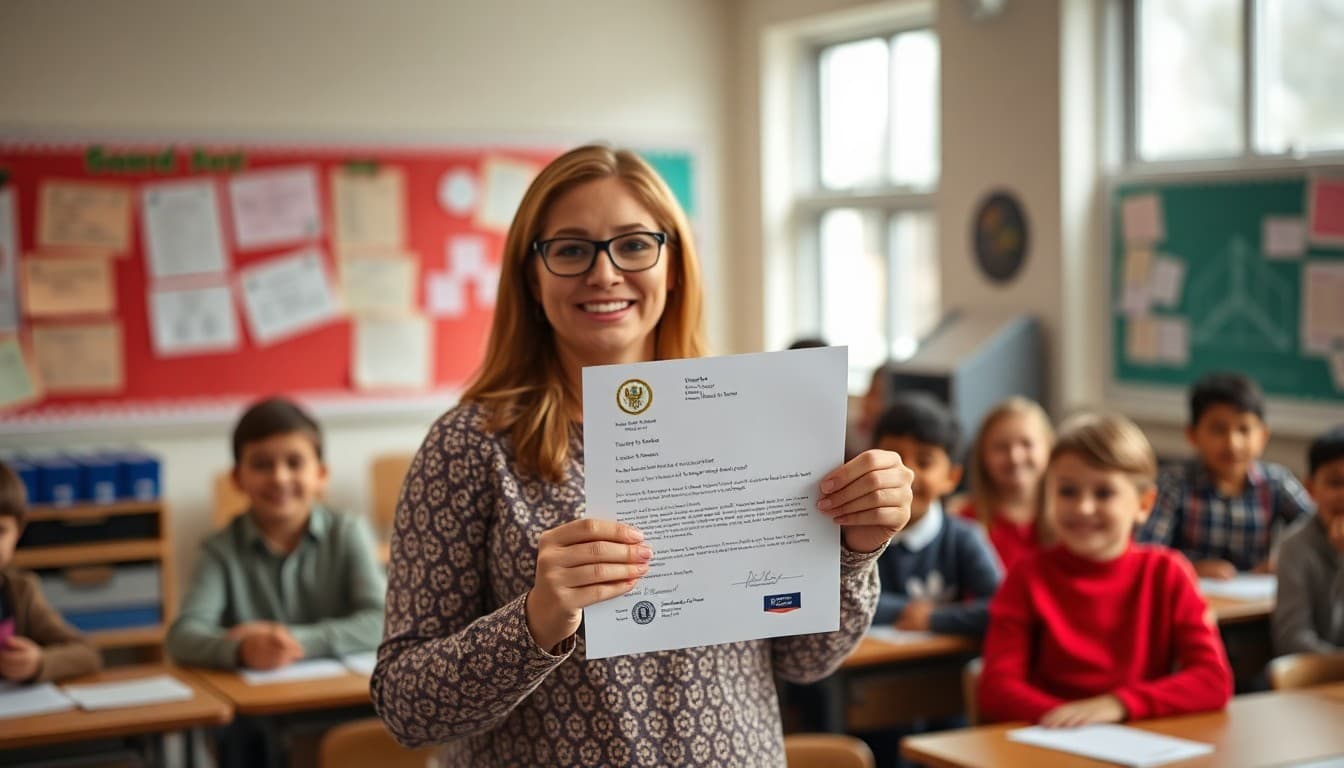
How to Share a Classroom Grant Update With Families in Your Newsletter

Classroom grants connect students to resources that would not otherwise be available. When a teacher receives a grant, it is news worth sharing with families. It demonstrates that the classroom is a priority for organizations beyond the school itself, it gives families context for new materials or programs appearing in the classroom, and it creates a moment of community pride that brings families closer to the school experience.
Lead with the student impact, not the dollar amount
Grant announcements that lead with dollar amounts can feel transactional. Announcements that lead with what students will experience feel meaningful. "Our classroom just received a grant from the Community Foundation that will bring a full set of science lab kits into our room. Starting next month, every student will conduct hands-on experiments that we previously only read about." The grant amount can appear in the newsletter but it does not need to be the headline.
Explain who funded it and why it matters
Families who recognize or respect the granting organization feel more connected to the news. Include one sentence about the organization. "This grant comes from the XYZ Education Foundation, which supports STEM programs in Title I schools across the district." Context makes the grant feel less abstract and more connected to a community of people who care about education.
Describe how the funds will be used specifically
Specific use descriptions are more compelling than general ones. "The grant will fund six microscopes, a set of dissection materials, and three months of access to the BrainPOP science platform." Families who can picture the actual items and programs feel more connected to the benefit than families who hear about "educational materials and resources."
Tell families when students will start experiencing the benefit
Include a timeline. "The materials are on order and expected to arrive in late October. We will start the first microscope lab in November." Families who know the timeline can look forward to hearing about it from their student. A concrete timeline also shows families that the grant is already translating into action.
Acknowledge the broader context
A grant update is an opportunity to briefly acknowledge the gap the grant is filling without complaining about school funding. "Teaching in a public school means finding creative ways to bring in the resources that make learning come alive. This grant is one of those ways." That kind of honest, non-bitter framing earns respect from families who understand the funding landscape.
Follow up when the program or materials are in use
Close the loop in a future newsletter with photos and a brief description of students benefiting from the grant. "The microscopes arrived last week and we have already used them in two lab sessions. Families who want to see what the students are discovering can check the class website photo gallery." The follow-up validates the original announcement and gives the granting organization content they may want to use as well.
Daystage supports grant announcement newsletters with photo embedding and clean formatting that makes the news feel as important as it is.
Get one newsletter idea every week.
Free. For teachers. No spam.
Frequently asked questions
Should I tell families about classroom grants I receive?
Yes. Families who know their classroom is supported by grant funding understand why certain resources or programs are available. It also builds community pride and reinforces that teaching involves more than showing up and instructing. Grant updates are a natural opportunity to connect families to the broader context of classroom resourcing.
What information should a grant update newsletter include?
The name of the grant and granting organization, how much was awarded, what the funds will be used for, how students will benefit, and any acknowledgment the granting organization requests. Some grants require public recognition as a condition of the award.
What if the grant is for a teacher professional development program rather than classroom supplies?
Still worth sharing. 'I was awarded a grant to attend a week-long math instruction training this summer. What I learn will directly shape how I teach fractions and algebra in the fall.' Families who understand that teacher development translates into student benefit are more supportive of professional learning time.
How do I handle a grant application that was not funded?
You do not need to share rejection news unless the families were aware you were applying. If you told families about an application and then did not receive funding, a brief note is appropriate: 'We did not receive the grant this round. We are exploring other options for funding the project.'
Can Daystage help teachers share grant news with families?
Yes. A Daystage newsletter is an ideal format for a grant announcement. You can include photos of the materials or program being funded, a description of the granting organization, and a forward-looking note about what students will experience as a result.

Adi Ackerman
Author
Adi Ackerman is a former classroom teacher and curriculum writer with 8 years in K-8 schools. She writes about school communication, parent engagement, and what actually works in real classrooms.
More for Classroom Teachers
How to Use a Teacher Newsletter to Fund Your DonorsChoose Project
Classroom Teachers · 6 min read
How to Share Your Classroom Wishlist in a Newsletter Without Feeling Awkward
Classroom Teachers · 6 min read
Sharing Free Learning Resources With Families in Your Teacher Newsletter
Classroom Teachers · 6 min read
Ready to send your first newsletter?
3 newsletters free. No credit card. First one ready in under 5 minutes.
Get started free