
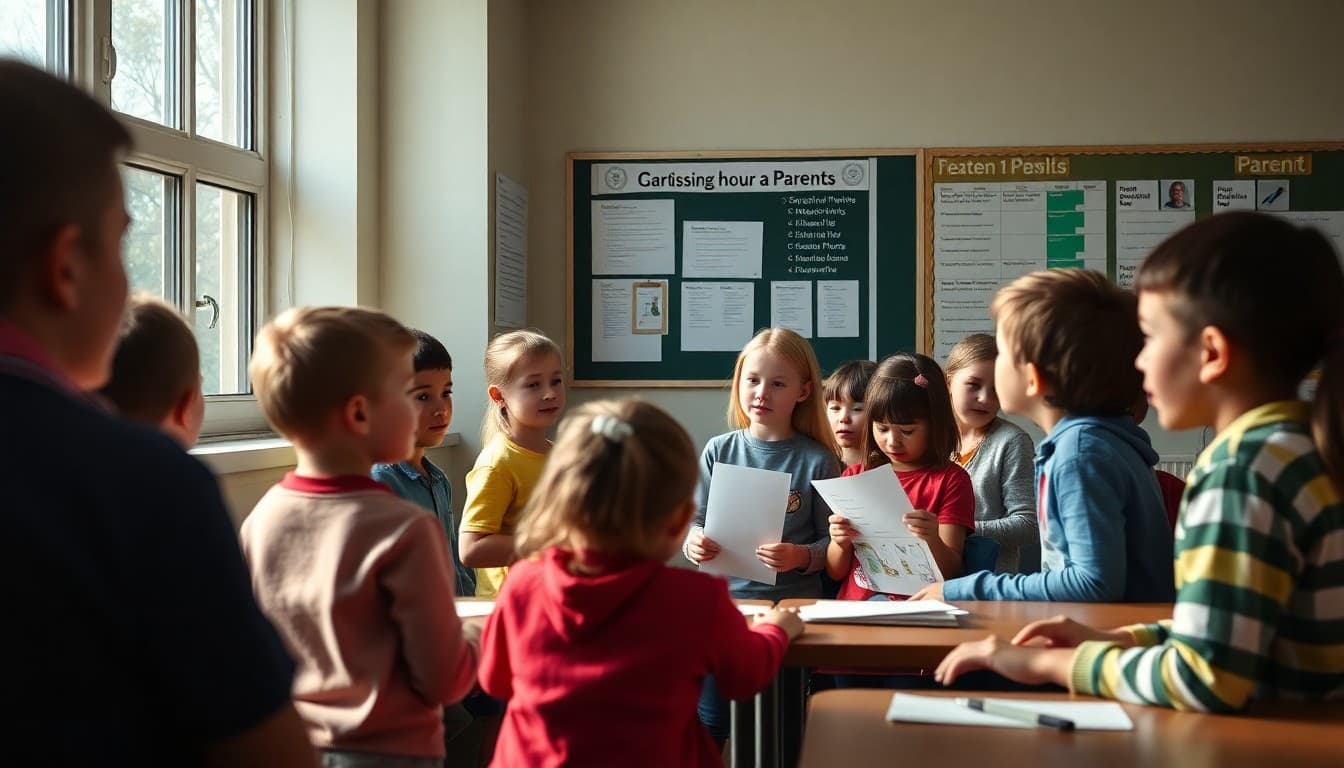
Sharing Genius Hour Projects With Families Through Your Teacher Newsletter
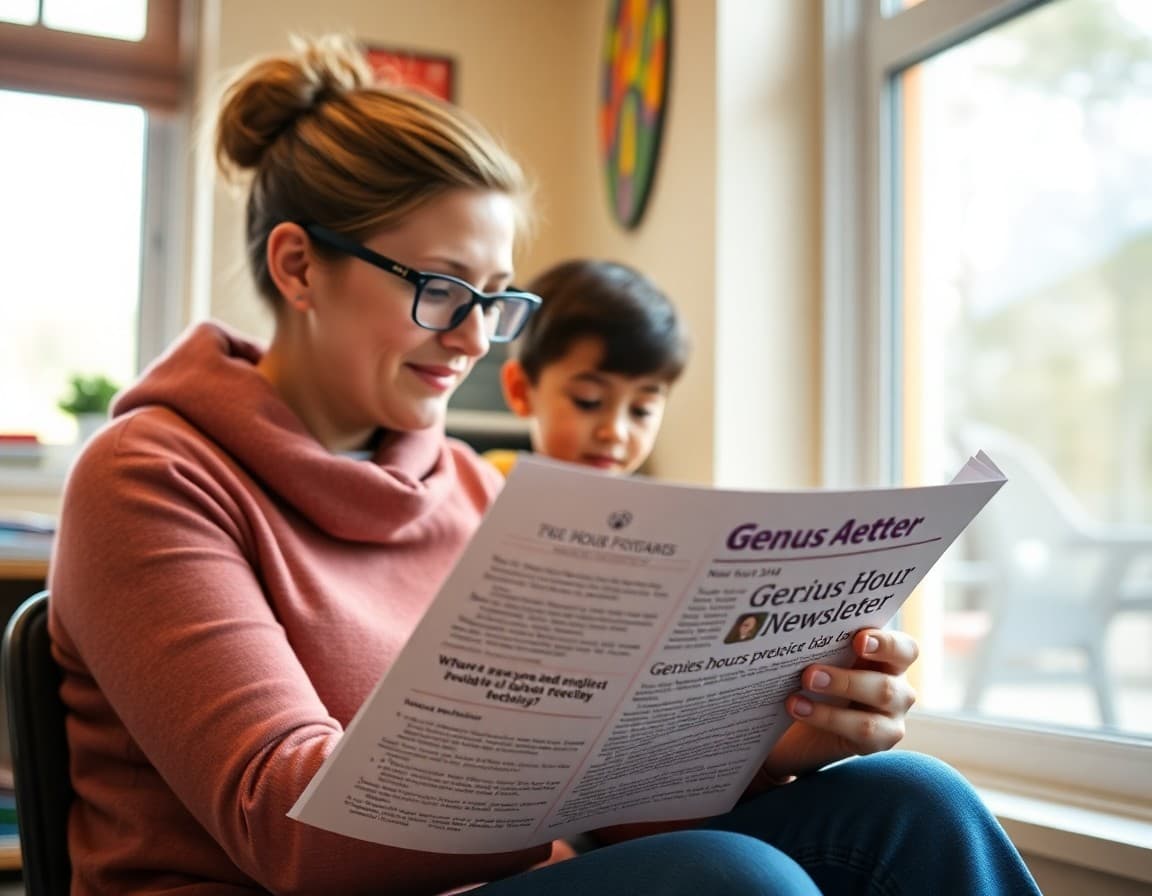
Why Genius Hour Updates Belong in Your Newsletter
Genius Hour is one of the most motivating things you can do in a classroom. Students choose a question that genuinely matters to them and spend real time pursuing it. But families often only see the product, the poster or the presentation at the end, without understanding the process that led to it.
Regular newsletter updates across the Genius Hour project give families a window into how their child thinks, what they care about, and how they handle the real challenge of sustained independent inquiry.
Introduce the Concept Before It Starts
The first Genius Hour newsletter should explain what it is, why you use it, and what students will produce. Address the "is this just free time?" question directly. Genius Hour has a structure: students identify a driving question, research it over several weeks, and share what they learned with an audience. The freedom is in the topic. The rigor is in the process.
Share the Question-Selection Process
When students choose their topics, include a brief update in your newsletter. "This week, students narrowed their Genius Hour questions. Topics include how roller coasters work, why some people are left-handed, and whether plants can hear music." That update serves two purposes: it tells families what their child is working on, and it signals that curiosity comes in all shapes and that all of them are worth pursuing.
Update Families on Project Milestones
Genius Hour unfolds over several weeks. Milestone updates in your newsletter keep families connected across the whole arc: "Students completed their initial research and moved into creating their presentations this week." Each update gives families an entry point for a conversation and builds anticipation for the final share.
Invite Families to the Final Presentation
When students are ready to share, your newsletter should include a formal invitation. Describe what families will see, how long it will run, and how they can support their child. Families who attended every Genius Hour update through the newsletter arrive at the presentation with genuine context and make better, more specific comments on what they see.
Give Families a Home Role During the Project
Students working on Genius Hour projects benefit from having an interested listener at home. Your newsletter can suggest a specific role for families: "Ask your child to explain their driving question and what they have found out so far. You do not need to know anything about the topic. Just ask follow-up questions: why do you think that? What surprised you?" That kind of listening is exactly what supports inquiry learning.
Reflect on the Process in the Final Newsletter Update
After presentations, send a newsletter reflection. What did you observe across the class? What kinds of questions emerged? What did students learn about how to learn? That closing reflection tells families that Genius Hour was about more than a one-time project. It was about developing habits of curiosity and independent thinking that show up long after the presentations are packed away.
Get one newsletter idea every week.
Free. For teachers. No spam.
Frequently asked questions
What is Genius Hour and how do I explain it to families?
Genius Hour is dedicated classroom time, usually one period per week, where students pursue a question or project driven by their own curiosity. Students choose the topic, research it, and share what they learned. It is modeled loosely on Google's 20% time philosophy.
How do I introduce Genius Hour to families before it starts?
Send a newsletter explaining the purpose, the structure, and what students will ultimately produce. Address the question families will have: 'Is this just free time?' The answer is no. It is structured inquiry with a real output.
How can families support their child's Genius Hour project at home?
Ask your child to explain their question, not their answer. The act of explaining their thinking to a non-expert strengthens their understanding. Families do not need to provide resources or help with the research. Curiosity questions are enough.
What kinds of projects do students typically choose for Genius Hour?
Topics vary widely: why volcanoes erupt, how to train a dog, the history of a favorite video game, how to build a simple circuit, what causes homelessness. The diversity of topics is part of the point. Students learn that all genuine curiosity leads somewhere interesting.
How does Daystage help teachers communicate project-based learning to families?
Daystage lets you include photos, project summaries, and student quotes in your newsletter without a separate publishing process. Genius Hour updates look as polished as any academic update, and families get a real window into what students are learning and choosing.

Adi Ackerman
Author
Adi Ackerman is a former classroom teacher and curriculum writer with 8 years in K-8 schools. She writes about school communication, parent engagement, and what actually works in real classrooms.
More for Classroom Teachers
Ready to send your first newsletter?
3 newsletters free. No credit card. First one ready in under 5 minutes.
Get started free