
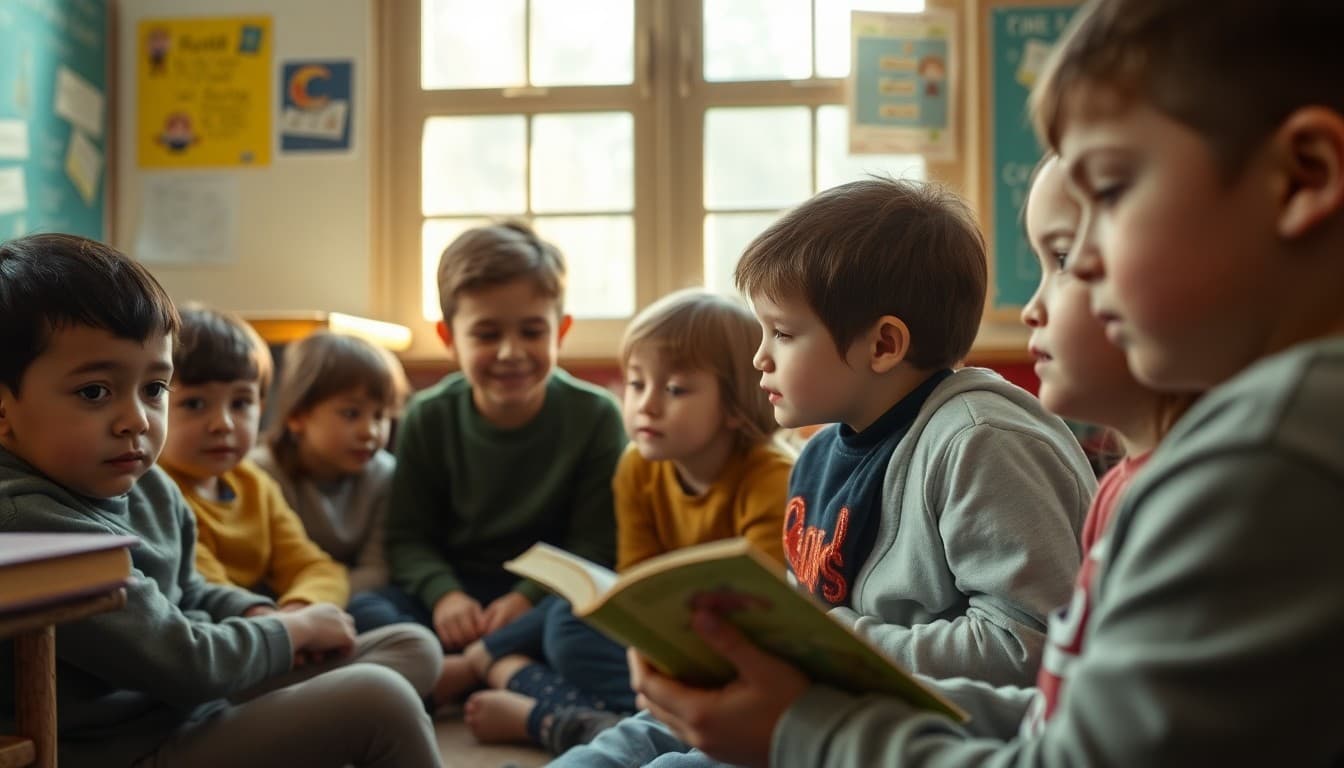
Teacher Newsletter for Folklore Unit: Celebrating Stories From Every Culture

Folklore units are one of the most culturally rich things you can teach. Every family has a tradition of stories passed down through generations, whether they call them folktales, grandmother's stories, or just things the family always says. A newsletter that connects the classroom unit to that family dimension turns the study into something students can claim personally rather than receiving as external content.
Define folklore and its subcategories
Folklore is the umbrella term for stories and traditions passed through oral and cultural transmission rather than through formal authorship. Folktales, fairy tales, fables, legends, tall tales, myths, and trickster stories all belong under this umbrella but have distinct features. A brief breakdown in the newsletter helps parents understand the distinctions their student is learning to recognize in class.
Name the traditions and texts in the unit
Tell families which cultural traditions the class is drawing from. Is the unit exclusively European fairy tales? Does it include African trickster stories, Native American legends, Asian fables, or Latin American cuentos? The range signals the scope of the unit and invites families from diverse backgrounds to see their own traditions represented.
Explain the structural and thematic analysis students are doing
Folklore is not just entertainment reading. Students are analyzing: How does this story establish the problem? What does the rule of three do in this tale? What value is being communicated through the moral? How does the trickster character function differently from a typical hero? These questions develop literary thinking that students apply to all fiction, not just folklore.
Invite family story contributions
This is the distinctive invitation that sets a folklore unit apart. Let families know that their own cultural stories matter and could enrich the unit. Ask whether any families have a folktale, proverb, or family legend they would be willing to share in writing or in person. Even a single contributed story transforms the unit from a study of other people's traditions into a celebration of the whole community's heritage.
Compare versions of the same story across cultures
One of the most fascinating aspects of folklore is that the same basic story appears in dozens of cultures. Cinderella, in some form, exists in Chinese, Egyptian, Korean, and African traditions, among many others. Ask families to look up a variant of a story students have studied and compare it with the version read in class. What is the same? What changed? Why might that be? This is genuine comparative cultural analysis.
Connect folklore to contemporary storytelling
Modern stories draw heavily from folklore archetypes and structures. The hero's journey, the trickster character, the moral tale: these structures show up in movies, novels, and even video games. Help families see these connections. "Ask your student: where do they see a trickster character in a movie or show they watch?" This transfers the analytical lens from old stories to new ones.
Close the unit with a storytelling event
If your unit ends with students telling or retelling a folktale to the class or to families, tell parents early and explain the format. A storytelling event is one of the most memorable school experiences many students have. Families who know it is coming plan to attend and students who know families are watching prepare more seriously.
Get one newsletter idea every week.
Free. For teachers. No spam.
Frequently asked questions
What should I include in a folklore unit newsletter?
Explain what folklore is and its subcategories, which tales and traditions the unit covers, how students are analyzing the stories for structure and theme, and how families can share their own cultural folklore with their student to enrich the unit.
What are the main types of folklore I should explain to parents?
Folktales, fairy tales, fables, myths, legends, tall tales, and trickster stories are the main categories. Each has distinct features. A brief explanation of the differences helps parents ask more precise questions about what their student is reading.
How do I invite families to share their cultural traditions without it feeling intrusive?
Make it optional and specific. 'If your family has a folktale, proverb, or traditional story you would be willing to share with the class, I would love to hear it' is an invitation rather than an obligation. Many families will be proud and enthusiastic to contribute.
What literary skills does folklore develop?
Understanding story structure (often the rule of three), identifying moral or lesson, recognizing archetypal characters, comparing versions of the same story across cultures, and understanding how oral tradition shapes narrative. These are transferable literary analysis skills.
How does Daystage help me communicate about culturally rich units like folklore?
Daystage lets you send warm, narrative newsletters that reflect the spirit of the unit. You can share a short story excerpt, a student response, or a cultural connection alongside your instructional update.

Adi Ackerman
Author
Adi Ackerman is a former classroom teacher and curriculum writer with 8 years in K-8 schools. She writes about school communication, parent engagement, and what actually works in real classrooms.
More for Classroom Teachers
Teacher Newsletter for Mythology Unit: Connecting Families to Ancient Stories
Classroom Teachers · 6 min read
Teacher Newsletter for Genre Study: What to Tell Families About Literary Genres
Classroom Teachers · 6 min read
Teacher Newsletter for Short Story Unit: Reading Brief Fiction Deeply With Families
Classroom Teachers · 6 min read
Ready to send your first newsletter?
3 newsletters free. No credit card. First one ready in under 5 minutes.
Get started free