
How to Write an End-of-Unit Newsletter to Families

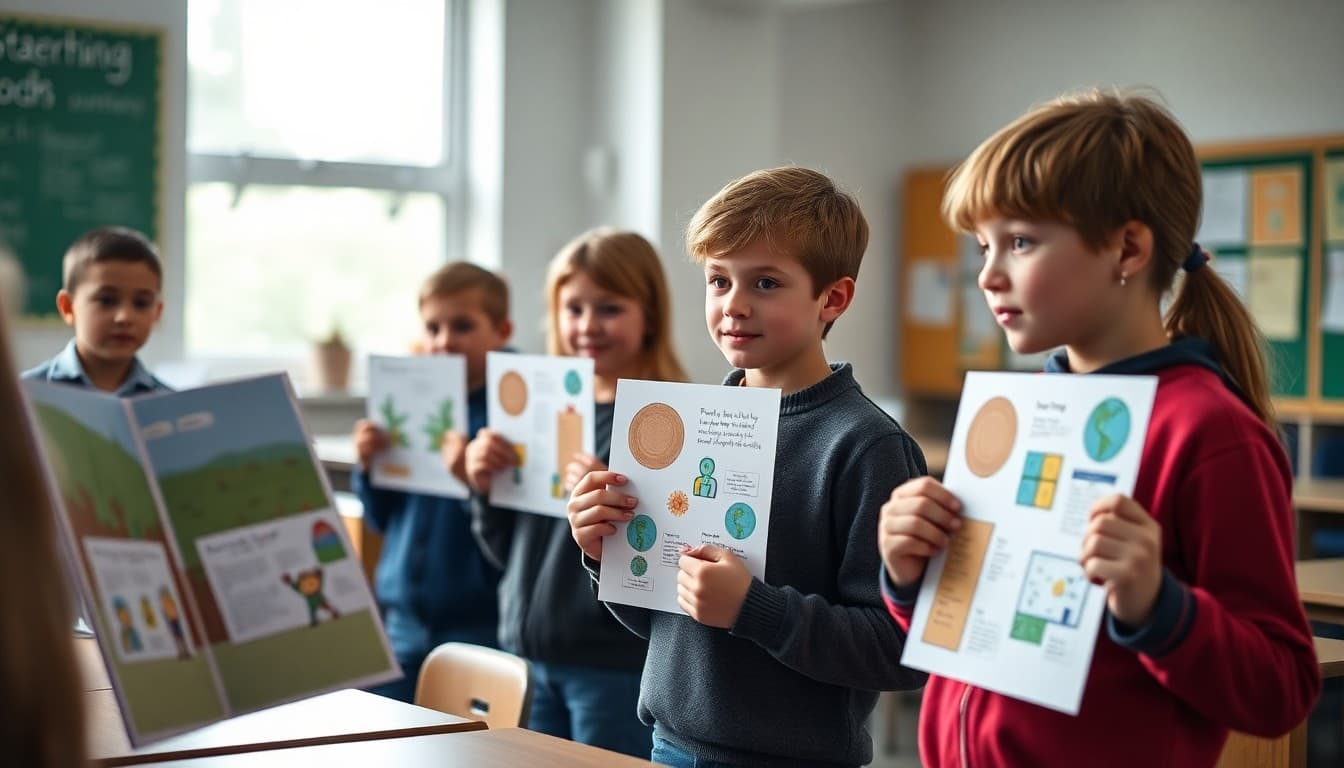
End-of-unit newsletters close a loop that most teachers leave open. Families who received a unit launch newsletter know what their student was working on. They deserve to hear how it went. What the class discovered, what students produced, what the most significant learning was. A wrap-up newsletter transforms a month of school into a coherent narrative that families can follow and celebrate.
Celebrate what students accomplished
Start by acknowledging what the class achieved during the unit. What did they investigate? What conclusions did they reach? What product, project, or performance did they create? This is not just recognition for its own sake. It gives families a concrete sense of what their student actually built over the past weeks and reinforces the value of the time they spent on it.
Reflect on the learning process
Share something about how the class engaged with the unit. What surprised them? What was harder than expected? What was the moment where something clicked? Brief reflections like these give families a window into the learning experience that a summary of topics does not. They also model the kind of reflective thinking you want students to develop about their own learning.
Describe the culminating assessment or project
If there is an end-of-unit assessment or project coming up or recently completed, tell families what it involved. If it is upcoming, give the date and a brief description of the format so families can support a realistic review approach. If it is complete, share what the assessment measured and how students demonstrated their learning.
Give families appropriate review support
For assessments that are approaching, give families specific, low-pressure ways to help their student review. Asking a student to teach them what they learned is more effective than re-reading notes. Reviewing vocabulary through a quick quiz conversation is more effective than staring at a word list. Specific strategies are what get used. Vague encouragement to study does not produce different outcomes than no encouragement.
Acknowledge the things the class is still working on
Not every skill is fully consolidated by the end of a unit. It is appropriate to note that some concepts will continue to develop as the year progresses and that the unit laid a foundation rather than concluded a topic. This honest framing prevents families from expecting perfection on an assessment and helps them understand that learning is cumulative.
Bridge to the next unit
Tell families briefly what is coming next. Not a full preview, just enough to show the connection. "We are finishing our study of ecosystems and will be moving into forces and motion over the next few weeks." This bridge helps families see that curriculum has coherence and that what their student learned in this unit is a foundation for what comes next.
Invite questions about assessment results
As assessment results become available, tell families how and when they will be shared. Invite families to reach out if they have questions about what the results mean for their student's learning or next steps. A proactive invitation to the conversation is far more useful than waiting for an anxious parent email after a test score arrives without context.
Daystage makes it easy to send both unit launch and wrap-up newsletters as a paired communication habit, giving families the full arc of every classroom learning experience from introduction to reflection.
Get one newsletter idea every week.
Free. For teachers. No spam.
Frequently asked questions
What should an end-of-unit newsletter include?
A summary of what students learned during the unit, highlights from the work students did, any upcoming assessments or due dates, how families can help students review if needed, what is coming next, and a brief reflection on how students grew through the unit.
Should I send an end-of-unit newsletter if I also sent one at the start?
Yes. The two newsletters create a natural arc that gives families a sense of the learning journey. The launch newsletter builds anticipation and sets up home connections. The wrap-up newsletter celebrates what students accomplished and signals that the class is moving on. Together they make the curriculum feel real and connected to families.
How do I help families support review for an end-of-unit assessment?
Give specific, low-pressure review suggestions. Looking at student notes together, asking the student to explain what they learned to a family member, playing a quiz game with vocabulary terms, or reviewing a study guide. Frame these as conversation starters rather than test prep drills.
How do I connect the completed unit to the next one in the newsletter?
A brief bridge between units helps families see that learning builds. 'We have finished our unit on ecosystems and these ideas will connect to our upcoming unit on environmental science' shows families that curriculum has coherence rather than appearing as a series of unrelated topics.
What tool helps teachers send end-of-unit newsletters?
Daystage makes it easy to send both launch and wrap-up newsletters for every unit so families experience the full arc of classroom learning rather than just receiving occasional updates.

Adi Ackerman
Author
Adi Ackerman is a former classroom teacher and curriculum writer with 8 years in K-8 schools. She writes about school communication, parent engagement, and what actually works in real classrooms.
More for Classroom Teachers
Ready to send your first newsletter?
3 newsletters free. No credit card. First one ready in under 5 minutes.
Get started free