

Teacher Newsletter for Coin Drive: Simple Tips for Big Results
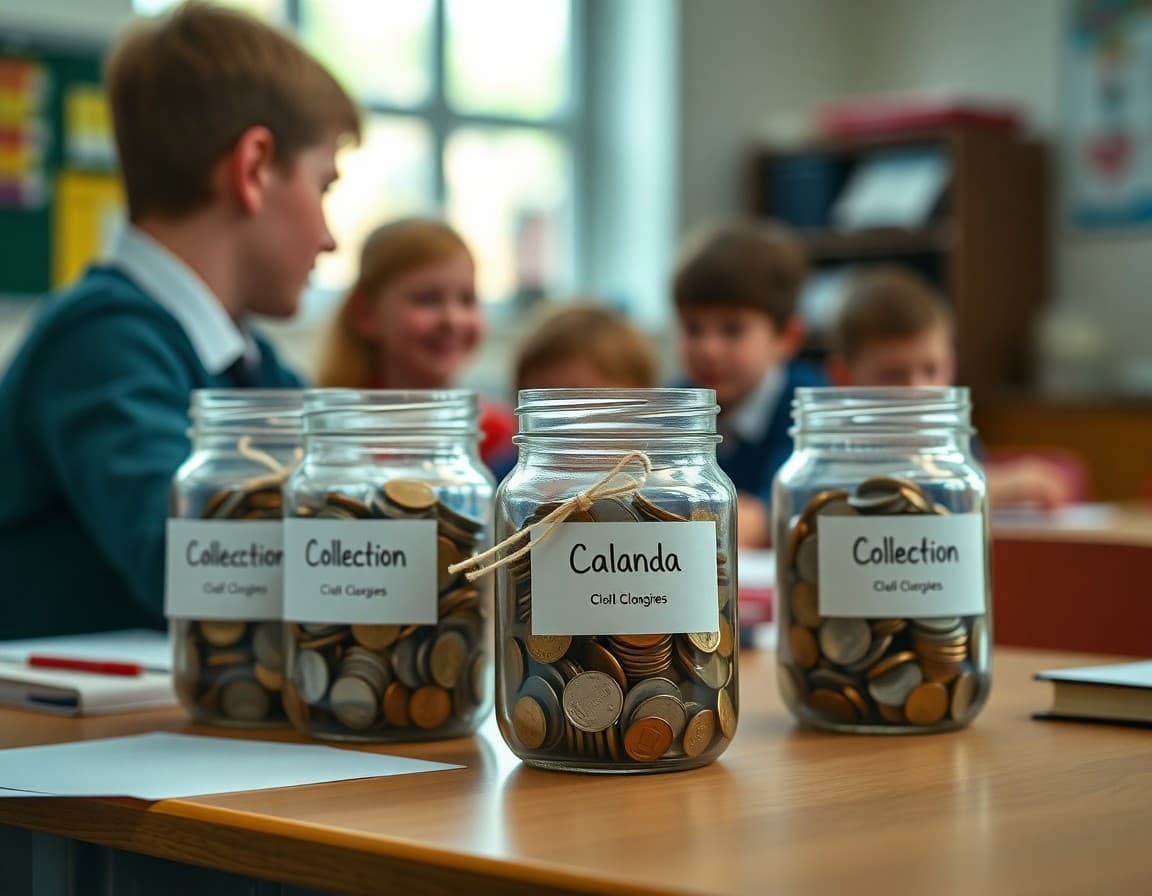
Coin drives are one of the lowest-barrier fundraisers a school can run. No selling, no events, no logistics beyond a jar on a desk. But the newsletter you send still matters. Families who understand the rules, know the stakes, and feel connected to the purpose give more than families who receive a vague "we're collecting coins" note.
Explain the Rules Before the Drive Starts
Some coin drives have a twist that families find surprising: silver coins add points and copper pennies subtract them from competing classes. If your school uses this format, explain it clearly in the launch newsletter with a concrete example. A family that shows up with a jar of pennies to help and accidentally hurts the class will feel misled. Proactive communication prevents that.
Set a Clear Timeline
Name the start and end dates. Give families enough lead time to gather coins from around the house, check couch cushions, and ask grandparents for loose change. Most families accumulate coins but rarely have a reason to dig them out. Your newsletter gives them that reason and a deadline to act on it.
Name the Purpose
Even a simple coin drive goes over better when families know where the money goes. Class party, library books, a field trip, a school garden. One sentence of context makes the contribution feel intentional rather than arbitrary. Families who understand the destination give more and are less likely to ignore the ask.
Make the Collection Process Easy
Explain exactly how and where students bring coins. Is there a labeled jar in the classroom? Do students drop coins in the front office? Can coins be sent in an envelope? Clear instructions eliminate the hesitation that comes from not knowing what to do with the coins once families find them.
Share Daily or Weekly Progress
If you can post daily totals on the classroom board or include a midpoint update in your newsletter, do it. Watching numbers grow is one of the most motivating things for students. It also keeps the drive top of mind at home when students report back to their families at the end of each day.
Add a Class Competition Element
If your school runs the coin drive as a class competition, mention your class's current standing in the newsletter. Students who know their class is close to the lead will lobby their families hard for coins. This kind of peer motivation works better than any adult-directed push.
Close with a Grateful Wrap-Up
After the drive ends, send a quick note with the final total and a thank-you. Using Daystage, you can put that message together in a few minutes and share a photo of the winning jar. Families who see the result of their effort are ready to say yes next time.
Get one newsletter idea every week.
Free. For teachers. No spam.
Frequently asked questions
What does a coin drive newsletter need to explain?
Cover the duration of the drive, where coins are collected (classroom jar, front office), whether paper bills count, whether the class with the most coins or the most dollar value wins, and what the proceeds fund. If silver coins cancel out copper coins or vice versa, explain that rule clearly because it surprises many families.
What is the silver vs. copper coin rule in a coin drive?
Some coin drives award points differently: silver coins (dimes, nickels, quarters) add points while copper pennies subtract points from competing classes. This rule encourages bringing in higher-value coins. If your school uses this format, your newsletter must explain it, because families who bring pennies to help and accidentally hurt their class will be frustrated.
How do I make a coin drive exciting for students?
Share daily or weekly totals in your newsletter or on the classroom board. Let students watch the jar fill up. If there is a class competition, post updates on who is leading. The visual progress of a filling coin jar is one of the most motivating things for elementary students.
How long should a coin drive run?
One to two weeks is optimal. Shorter than a week and families do not have time to gather coins. Longer than two weeks and the novelty fades. Name the exact start and end dates in the newsletter so families know when their contributions count.
What tool helps teachers send newsletters efficiently?
Daystage makes it easy to send a coin drive newsletter with class totals, a countdown to the deadline, and contribution instructions in one clean message. You can send midpoint updates quickly without designing each one from scratch.

Adi Ackerman
Author
Adi Ackerman is a former classroom teacher and curriculum writer with 8 years in K-8 schools. She writes about school communication, parent engagement, and what actually works in real classrooms.
More for Classroom Teachers
Ready to send your first newsletter?
3 newsletters free. No credit card. First one ready in under 5 minutes.
Get started free