
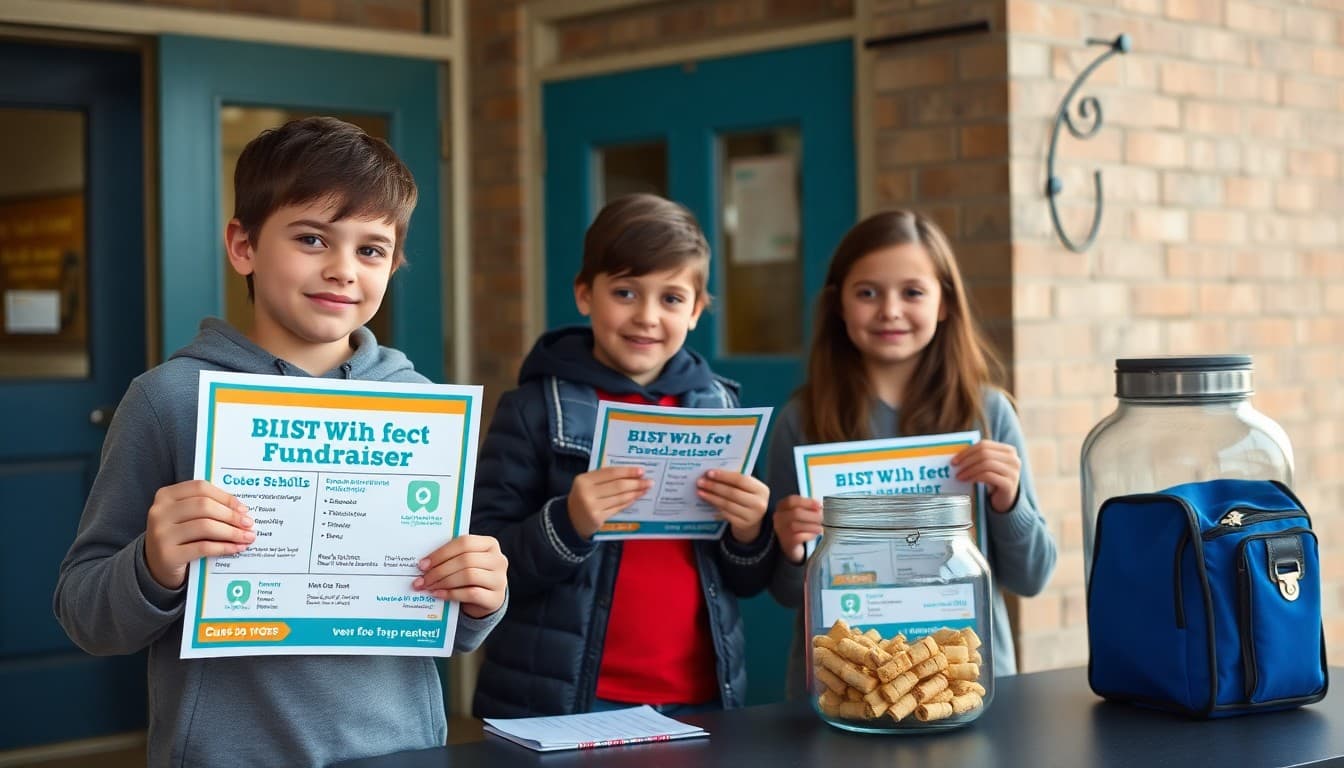
Teacher Newsletter for a Class Fundraiser That Actually Gets Results
A class fundraiser is one of the best ways to give students ownership over a classroom goal while building community with families. The newsletter that launches and supports the fundraiser determines whether participation is high or half-hearted. Families need to understand the purpose, believe in the cause, and know exactly how to contribute.
Lead with the Purpose, Not the Ask
Before you mention money, explain what the fundraiser is for. Are you buying classroom library books? Funding a field trip? Covering supplies for an art project? The more specific the purpose, the more families will care. "We are trying to fund 20 new chapter books for our classroom library" is more compelling than "we are raising money for classroom resources." Let families picture the outcome before you ask them to help create it.
Set a Clear and Specific Goal
Give families a number. We are trying to raise $400 by the end of the month. A concrete target makes participation feel purposeful. It also lets you report progress in follow-up newsletters, which keeps engagement high throughout the campaign. Vague goals like "we want to raise as much as we can" do not motivate anyone.
Make Contributing Effortless
Include a direct link to the payment method in the newsletter. Whether it is a class Venmo, a school payment portal, or a check made out to the school, explain it in one simple sentence. Families who have to figure out how to contribute often do not. Remove every step between the decision to give and the act of giving.
Involve Students in the Stakes
Tell families what students will experience or receive when the goal is reached. A classroom pizza party. The chance to vote on the next read-aloud book. A special art day. When students have something to look forward to, they become advocates at home, and family participation goes up significantly.
Acknowledge Different Forms of Participation
Not all families can contribute financially. Your newsletter can mention other ways to participate: sharing the fundraiser with extended family, volunteering time for a related event, or donating specific items on a wish list. Inclusive language about participation signals that you value the family relationship beyond the financial ask.
Send Progress Updates That Build Momentum
A midpoint newsletter that shares how close you are to the goal creates urgency and excitement. "We are 60% of the way there with one week left" is an easy message to write and one families genuinely respond to. Daystage makes these quick updates simple to put together so you can keep the campaign alive without spending hours on each message.
Close with a Thank-You That Feels Real
Whether or not you hit the goal, the final newsletter should thank every family who participated in any way. Acknowledge what the fundraiser made possible and let families know the impact. Closing the loop with a gratitude message builds the kind of goodwill that makes the next community effort even more successful.
Get one newsletter idea every week.
Free. For teachers. No spam.
Frequently asked questions
What information must a class fundraiser newsletter include?
Explain what you are raising money for, how much you are trying to raise, the deadline, the method for contributing, and what students get to do or receive when the goal is reached. Families are much more likely to participate when they understand the specific purpose and the stakes.
How do I avoid making families feel pressured to donate?
Use language that welcomes participation at any level without implying a minimum. Phrases like every contribution counts and no amount is too small are genuinely true and reduce the barrier for families who may be operating on a tight budget. Never publish individual contribution amounts or single out families who have not participated.
How many newsletters should I send for a fundraiser?
Send an announcement when the fundraiser launches, a midpoint update with progress toward the goal, and a final push message the week before the deadline. Three newsletters is usually enough. More than that risks feeling like pressure rather than communication.
Should I track progress publicly in the newsletter?
A class-wide progress bar or goal tracker in the newsletter builds excitement without exposing individual giving. Something like we are 63% of the way to our goal creates a shared sense of momentum. Just make sure any tracking is at the class level, not individual.
What tool helps teachers send newsletters efficiently?
Daystage makes fundraiser newsletters easy. You can design a message with a progress graphic, a direct payment link, and a clear call to action, then send it to your full parent list in one step. Families get a clean, mobile-friendly message with everything they need to contribute.

Adi Ackerman
Author
Adi Ackerman is a former classroom teacher and curriculum writer with 8 years in K-8 schools. She writes about school communication, parent engagement, and what actually works in real classrooms.
More for Classroom Teachers
Ready to send your first newsletter?
3 newsletters free. No credit card. First one ready in under 5 minutes.
Get started free