
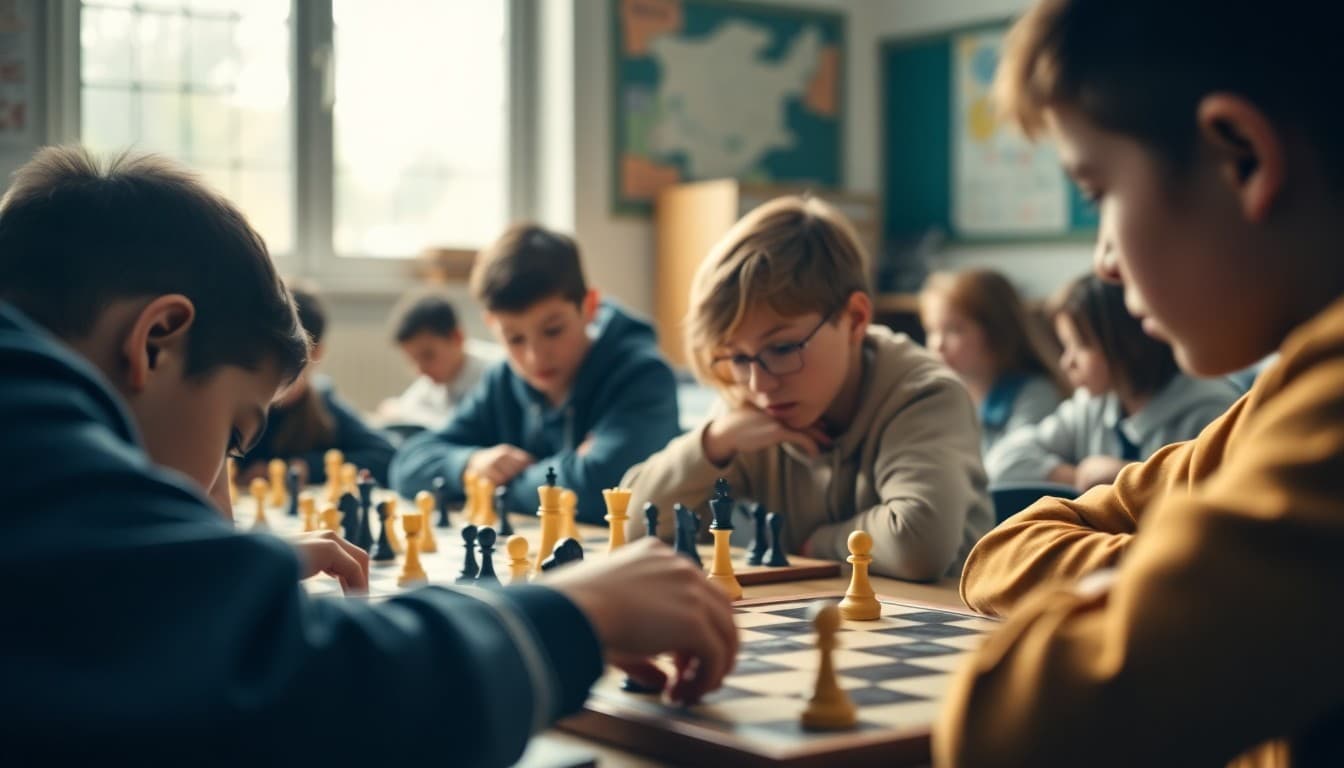
Teacher Newsletter for Chess Club: Engage Students and Inform Families
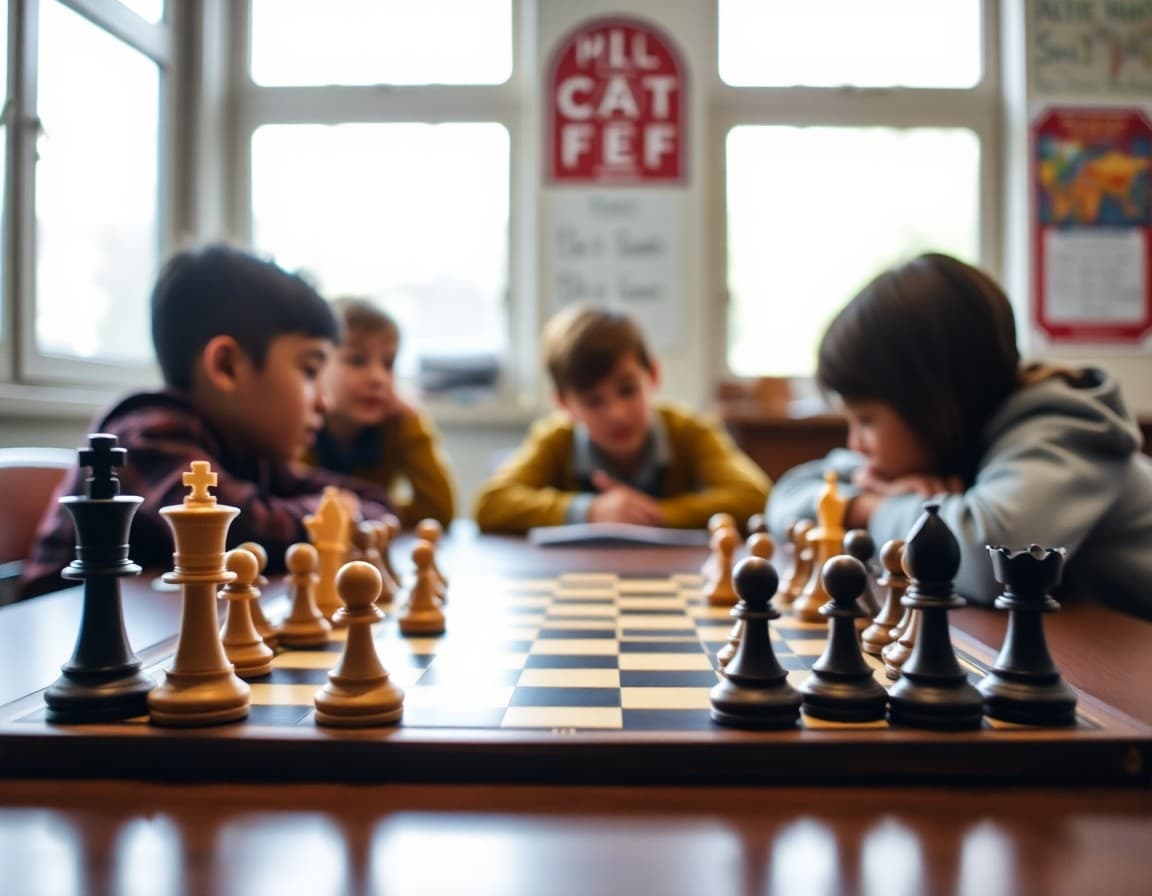
Chess club draws students who want to think deeply, compete strategically, and be part of a community of serious thinkers. Your newsletter is what connects those students to the club, keeps families informed about the schedule, and prepares everyone for the tournament season.
Welcome Beginners and Experienced Players Alike
Some students will be drawn to chess club because they already play. Many others are curious but hesitant because they have never learned the game. Your newsletter should make clear that both groups are welcome and describe what support is available for each. A club that explicitly welcomes beginners recruits from a wider pool and builds a more dynamic group than one that implies you need to already know the game to walk in the door.
Explain the Academic and Cognitive Benefits
Families who understand why chess is valuable for their child are more likely to support the time commitment it requires. Chess builds the ability to plan several steps ahead, recognize patterns, manage a limited set of resources, and recover gracefully from setbacks. These are not peripheral skills. They transfer directly to academic problem-solving. A brief paragraph on the benefits gives families a frame that makes the club feel purposeful, not optional.
Cover the Meeting Schedule Clearly
Day, time, location, duration, and any supplies students should bring. If the club meets during lunch, after school, or on weekends, that affects family logistics significantly. Give families the complete picture early so there is no confusion about pickup times or conflicting commitments.
Introduce the Tournament Season
If your school participates in local or regional chess tournaments, introduce that season in a dedicated newsletter. Include the tournament calendar, registration deadlines, whether families can attend, transportation logistics if the event is off-site, and what students should expect from the competitive experience. First-time tournament participants benefit from a preview of what the day looks and feels like.
Address Tournament Behavior and Etiquette
Competitive chess has specific protocols. Your newsletter can briefly outline expectations: quiet during play, respectful acknowledgment of results, proper handling of the clock, and conduct toward opponents and judges. Families who share these expectations with their child before the tournament arrive with fewer surprises and help their child represent the school well.
Keep Families Updated on Progress
Throughout the year, a brief newsletter that names tournament results, celebrates individual growth, and previews what is coming next keeps families engaged. Using Daystage, you can send these updates quickly with the tournament standings or a photo from the event, keeping families connected to the chess club community all season.
Get one newsletter idea every week.
Free. For teachers. No spam.
Frequently asked questions
What are the key things a chess club newsletter should cover?
Include the meeting schedule, any skill level requirements or whether beginners are welcome, upcoming tournaments with dates and locations, what students should bring or prepare, and any fees involved. For a tournament newsletter specifically, include travel logistics if the event is off-site.
How do I explain the academic benefits of chess to parents?
Chess develops critical thinking, pattern recognition, patience, and the ability to anticipate consequences. Research links chess practice to improvements in math and reading scores. A brief mention of two or three cognitive benefits in the newsletter helps families see the club as an academic investment, not just an extracurricular.
How should the newsletter address students who are complete beginners?
State clearly whether the club welcomes beginners and what support is available for new players. If you run beginner sessions or pair new members with experienced players, describe that. Students who might be interested but are embarrassed to admit they do not know the game need to see explicit welcome language.
Should the newsletter cover tournament etiquette?
For a pre-tournament newsletter, yes. A brief note about what is expected at a tournament, whether it is silence during play, the handling of results, and respectful behavior toward opponents, helps students arrive prepared and families understand the competitive context.
What tool helps teachers send newsletters efficiently?
Daystage makes chess club newsletters straightforward to produce. You can include a tournament schedule, beginner session details, and any permission slip links in one clean message sent directly to your parent list.

Adi Ackerman
Author
Adi Ackerman is a former classroom teacher and curriculum writer with 8 years in K-8 schools. She writes about school communication, parent engagement, and what actually works in real classrooms.
More for Classroom Teachers
Ready to send your first newsletter?
3 newsletters free. No credit card. First one ready in under 5 minutes.
Get started free