

Second Grade Parent Volunteer Newsletter: How to Recruit and Coordinate Classroom Help
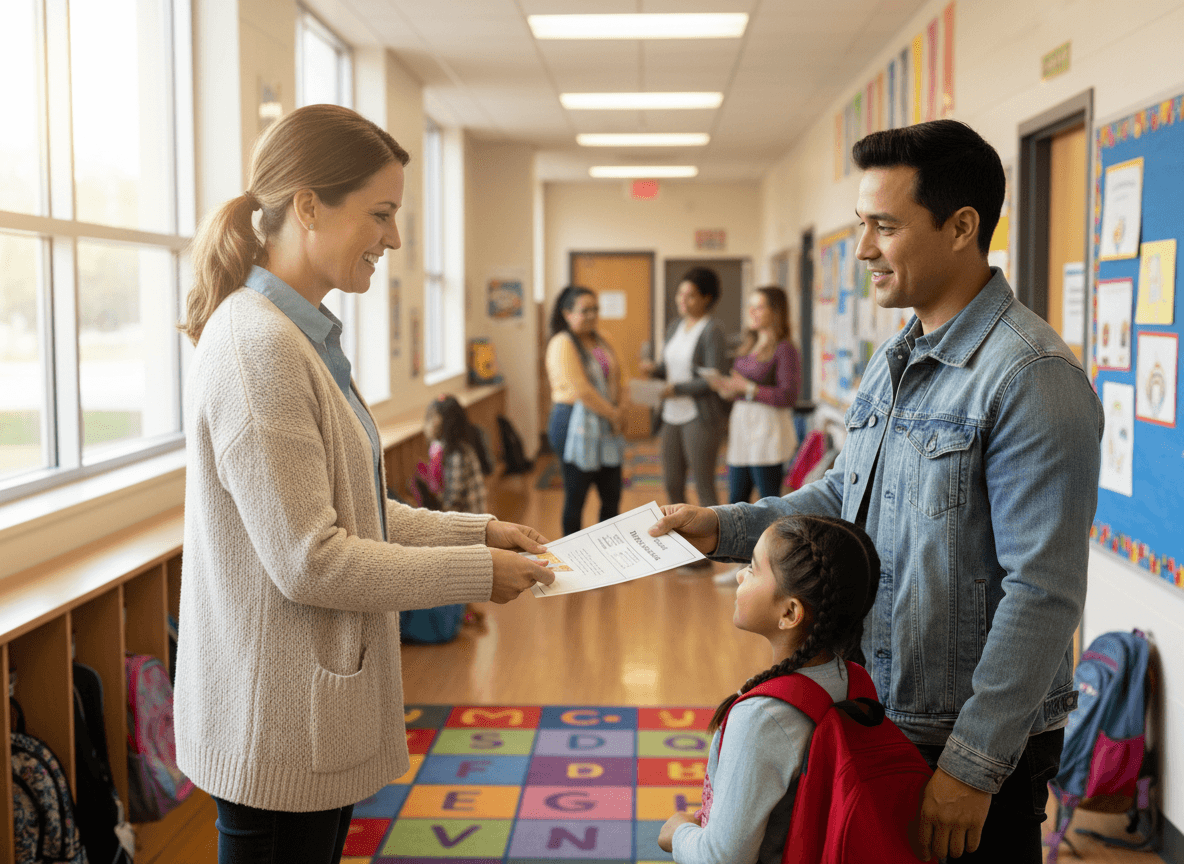
Parent volunteers can genuinely change what is possible in a second grade classroom. An extra adult reading with students one-on-one, helping a group work through a science activity, or simply prepping materials so you do not have to stay until six on Thursdays makes a measurable difference. But volunteers only show up if you ask clearly, make it easy to say yes, and tell them exactly what to expect.
A well-written volunteer newsletter does all three. Here is how to put one together.
Start With the Why
Parents are more likely to volunteer when they understand the real impact of their time. Open your newsletter with a brief, honest picture of what volunteer support makes possible in your classroom. Not a generic "it takes a village" line, but something specific.
Something like: "When I have a parent volunteer in the room, I can pull a small group for targeted reading support while the rest of the class works on centers. That kind of one-on-one time makes a real difference in how quickly students grow as readers." That specificity makes parents feel like their two hours a month actually matter, because they do.
List the Specific Roles You Need
Vague volunteer calls produce vague responses. Instead of "I welcome parent help anytime," list out the specific tasks you need covered and how often. Here are examples that work well in second grade:
Listening readers (one-on-one, 30 minutes per student, once a week). Helping with literacy or math centers (small group support, one hour, once a week). Prepping classroom materials at home (cutting, laminating, sorting, one to two hours per month, no in-class time required). Holiday party planning and setup (once per season, two to three hours). STEM project support (tied to specific units, announced in advance).
When parents see a concrete list, they can self-select based on their schedule and skill set. The parent who works full-time might be happy to do at-home prep. The parent who works a flexible schedule might want a weekly in-class slot. Give both a path in.
Include Your Expectations Up Front
Nothing derails a volunteer relationship faster than mismatched expectations. Address the basics in the newsletter itself, before anyone signs up:
Please arrive five to ten minutes before your scheduled slot so we can review the task together. All volunteers are asked to follow the classroom's lead on student interactions, including how we handle conflict and how we give feedback on student work. Student information shared in the classroom stays confidential. Please silence phones during volunteer time.
These are not punitive rules. Frame them as the things that make the experience better for everyone, including the volunteers themselves.
Make Signing Up as Easy as Possible
Every step you add to the sign-up process costs you volunteers. The goal is one click or one sentence. If you use a digital sign-up sheet, include the direct link in the newsletter and in the email subject line. If you use a paper form, include it as a tear-off at the bottom.
Also include an opt-in for parents who cannot volunteer in person but are willing to help from home. Cutting materials, making phone calls for class events, or donating supplies all count as meaningful support, and inviting those contributions in the same newsletter keeps families who genuinely cannot come in from feeling excluded.
Address Common Hesitations
Some parents want to volunteer but talk themselves out of it. They worry they will do it wrong, that their English is not strong enough, that their child will behave differently with them in the room, or that they do not have enough time to commit. Your newsletter can address those hesitations directly:
"You do not need any special teaching experience. I will give you clear instructions for every task before you begin. If your child is in the class, most second graders adjust quickly once the routine is established. Shorter, regular slots are often more valuable than long occasional visits."
Naming the hesitation out loud makes it smaller and shows parents you understand the real barriers they face.
Include a Note on Background Checks
If your school requires background clearances for parent volunteers, include that information clearly. Tell parents where to start the process, roughly how long it takes, and who to contact with questions. Do not assume families know this step is required. Finding out on the day they planned to come in is frustrating for everyone and reduces the chance they will reschedule.
Follow Up After the Newsletter Goes Out
Send the volunteer newsletter and give it four or five days before following up. If your sign-up slots are still empty, a brief personal outreach to a few specific families often gets things moving. Something as simple as "I remembered you mentioned you might have Tuesdays free and I wanted to make sure you saw the volunteer information" is far more effective than a second broadcast email.
Once parents have signed up, confirm their first slot directly and send a short reminder the day before. That first experience sets the tone for the whole year. If it is smooth and they feel genuinely useful, they will come back. If it is confusing or their time feels wasted, you will not see them again.
Keep Volunteers Engaged Through the Year
A single newsletter at the start of the year is the opening move, not the whole strategy. Include a brief volunteer section in your monthly classroom newsletter. Celebrate volunteer contributions publicly (with permission). When a unit ends that volunteers helped with, send a short thank-you note. At the end of the year, acknowledge everyone who gave time, even once.
Families who feel seen and appreciated do not just come back next year. They recruit other parents for you. Word of mouth from a parent who had a great volunteer experience is more powerful than any sign-up email you will ever write.
Get one newsletter idea every week.
Free. For teachers. No spam.
Frequently asked questions
When should I send the parent volunteer newsletter in second grade?
Send it during the first two weeks of school, ideally alongside your classroom introduction newsletter. Families are most enthusiastic about volunteering at the start of the year, and getting commitments early means your schedule stays full through winter.
What kinds of volunteer tasks work well in a second grade classroom?
Second grade volunteers do well with listening to readers one-on-one, helping with centers, prepping classroom materials, and supporting students during STEM projects or art activities. Avoid tasks that require volunteers to manage whole-class behavior without you present.
How do I handle parents who volunteer once and then disappear?
Build in a confirmation reminder the week before each scheduled slot. A short email reminder reduces no-shows dramatically. Also make it easy for parents to reschedule rather than just skip, so they stay on the volunteer list even when life gets complicated.
Should I include guidelines for volunteers in the newsletter itself?
Yes, briefly. Include two or three expectations directly in the newsletter, such as arriving five minutes early, following the teacher's lead on student interactions, and keeping student information confidential. A longer orientation document can come after they sign up.
What newsletter tool makes it easier to coordinate parent volunteers?
Daystage is a strong option for second grade teachers managing volunteers because you can send the newsletter, collect responses, and follow up all in one place. The read-receipt feature also lets you see which families have not yet seen the volunteer request, so you know exactly who to follow up with personally.

Adi Ackerman
Author
Adi Ackerman is a former classroom teacher and curriculum writer with 8 years in K-8 schools. She writes about school communication, parent engagement, and what actually works in real classrooms.
More for Classroom Teachers
Second Grade Curriculum Overview Newsletter: What to Share With Families at the Start of the Year
Classroom Teachers · 6 min read
Second Grade Classroom Rules Newsletter: How to Share Your Expectations With Families
Classroom Teachers · 5 min read
How to Write About an Author Visit in Your Classroom Newsletter
Classroom Teachers · 5 min read
Ready to send your first newsletter?
3 newsletters free. No credit card. First one ready in under 5 minutes.
Get started free