
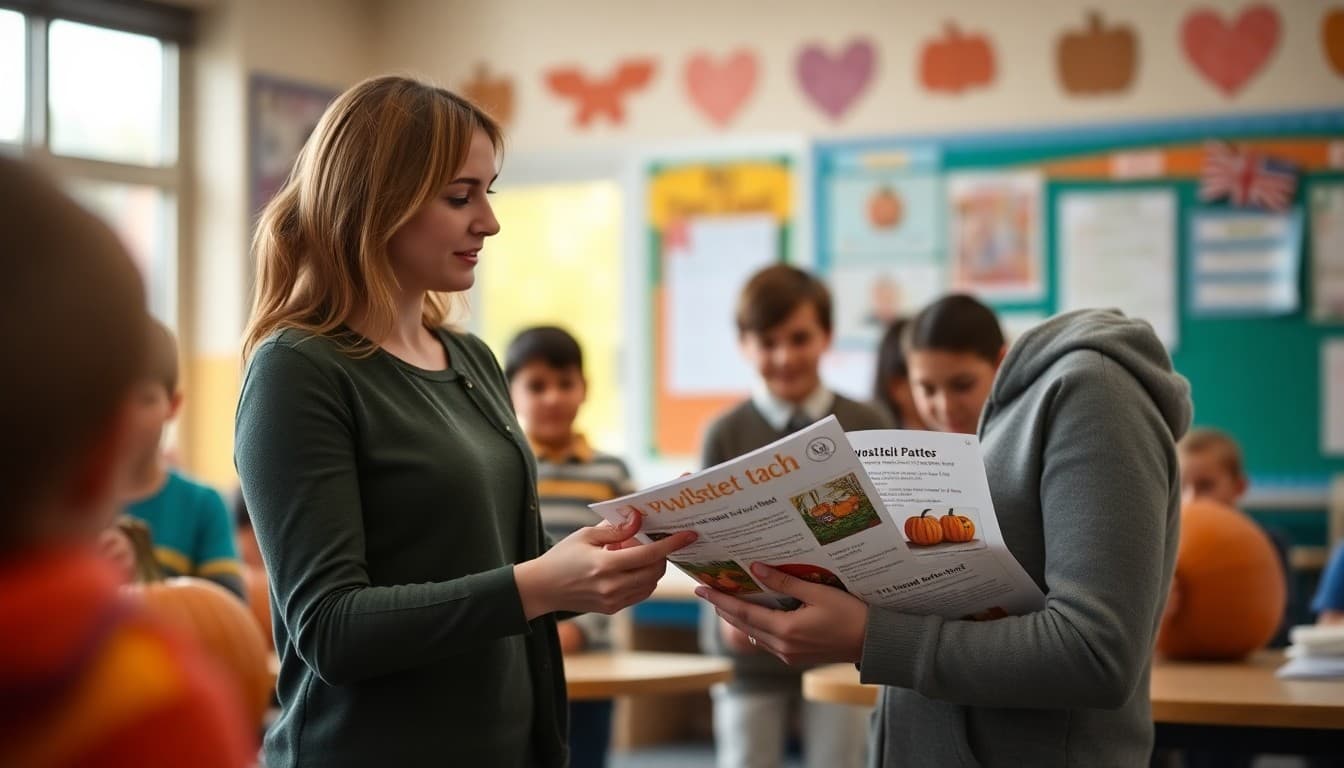
Pumpkin Patch Classroom Newsletter: October Learning Ideas
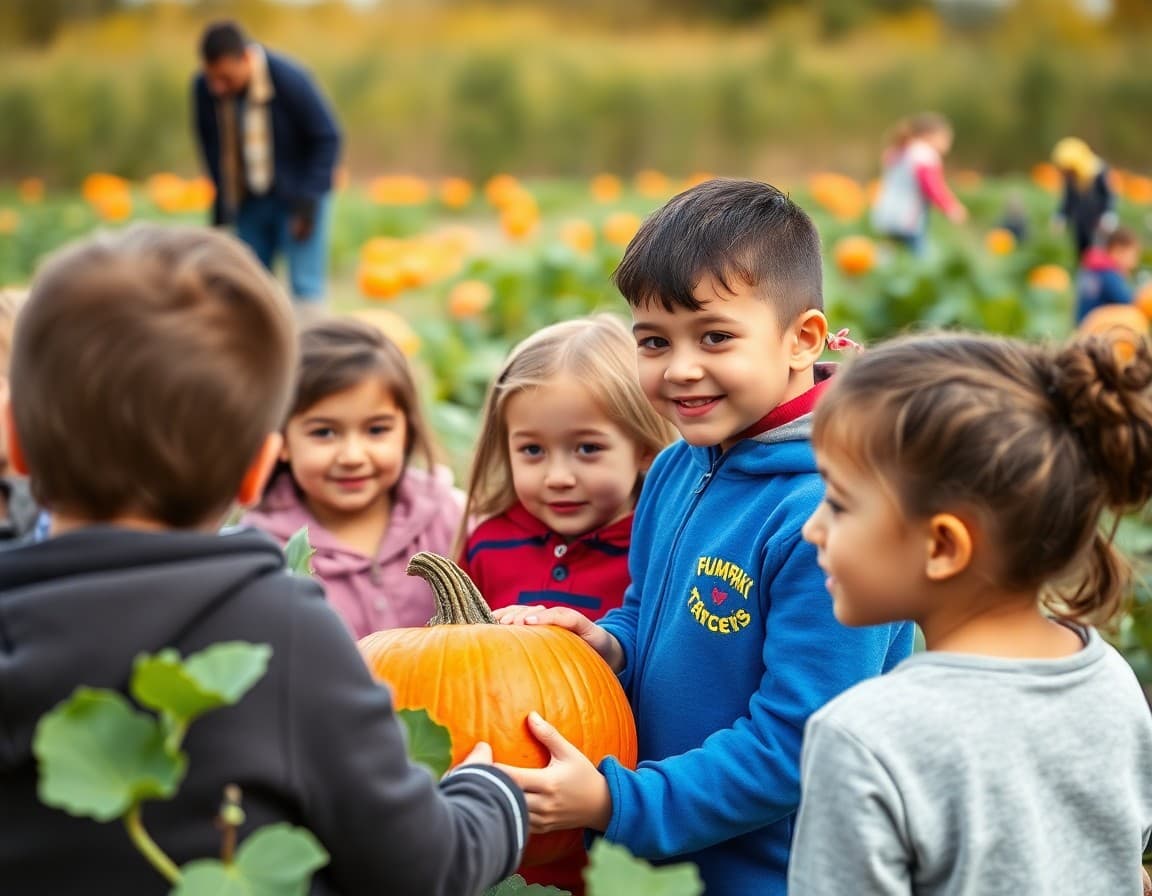
A pumpkin patch trip is one of those fall memories that families hold onto for years. The newsletter before, during, and after the trip is the school's part of that memory. Make it count.
The Pre-Trip Newsletter: Logistics First
Send the pre-trip newsletter at least a week before the visit. Families need time to arrange permission slips, find the $8 trip fee, and locate their child's boots before the morning of the trip. Open with the essential logistics in a clearly labeled block and then transition into the educational connections and what students will do when they return from the patch.
Trip Logistics Block Template
Pumpkin Patch Trip - Friday, October 17
Location: Greenfield Farm, 4200 County Road 8 (15-minute bus ride)
Departure: 9:00 AM. Return: 12:30 PM.
Cost: $10 per student (includes pumpkin decorating and hayride). Checks payable to Lincoln Elementary, due by Wednesday, October 15.
Dress code: Warm layers and boots or sneakers. No open-toe shoes or sandals. Rain or shine we go - there's a covered barn area.
What to bring: Labeled water bottle, morning snack, enthusiasm. No backpacks needed.
Chaperones: Spots filled. Thank you to our four volunteer families!
The Educational Connections Section
After logistics, give families a paragraph about what the trip connects to in the classroom. This transforms a fun outing into visible learning and helps families ask better questions when their child comes home:
We are wrapping up our plant life cycle unit this week. At Greenfield Farm, students will observe how pumpkins grow on vines, compare different gourd varieties, and examine the inside of a real pumpkin to count seeds. Each student will record three observations in their science journal during the visit. Back in class next week, we will graph our seed counts and compare estimates versus actual numbers.
Pumpkin Math Activities for the Classroom
The newsletter is a great place to preview the in-class follow-up activities so families can ask about them at home. Pumpkin math works across grade levels. Kindergarteners can sort small pumpkins by size and color. First graders can measure the circumference of a pumpkin with string and compare to other round objects. Second graders can estimate and count seeds. Third graders and up can calculate the ratio of seeds to pumpkin volume or use pumpkin weight data to practice average and median. List one or two specific activities that match your grade level so families know what to expect.
Template Excerpt: Post-Trip Newsletter
Send this Monday after the trip:
Subject: Pumpkin Patch photos + what comes next in science
We had a wonderful trip to Greenfield Farm on Friday. Students counted an average of 347 seeds in their assigned pumpkins, with the range going from 280 to 412. The all-class estimate before we cut them open was 250 - so we learned that pumpkins have more seeds than most of us expected.
Photos from the trip are in the gallery below. Remind your child to tell you about the hayride and what they observed about the vine structure on the growing pumpkins.
This week: we start our new science unit on weather patterns. The pumpkin trip gave us a great foundation in plant observation that we'll build on all fall.
Connecting Families Who Couldn't Attend
Not every family can chaperone or attend events, but every family wants to feel connected to their child's school experience. A photo-rich post-trip newsletter with 4 to 6 images from the patch and a brief narrative of what students did and learned gives families who stayed home a genuine window into the day. Keep it short: 3 paragraphs and 4 photos. That is enough for a family dinner conversation.
Pumpkin-Themed At-Home Extensions
Give families two specific things to try at home. First: if you carve a Halloween pumpkin, save the seeds, rinse them, and count them together. Bring the count to share on Monday (we'll add it to our class data chart). Second: make roasted pumpkin seeds together using this recipe: rinse 1 cup seeds, toss with 1 tablespoon olive oil and a pinch of salt, spread on a sheet pan, roast at 325 degrees for 25 minutes. These are genuinely easy enough that families will actually do them and children will remember it.
Get one newsletter idea every week.
Free. For teachers. No spam.
Frequently asked questions
What math activities connect to a pumpkin patch theme?
Pumpkins are excellent math manipulatives. Students can estimate and then count pumpkin seeds (usually 300 to 500 per pumpkin), measure circumference with yarn and compare sizes, sort pumpkins by height and weight, and create bar graphs of pumpkin preferences. These activities connect directly to measurement, estimation, and data standards across grades K through 5.
How do I communicate pumpkin patch trip logistics in a newsletter?
Provide the date, departure and return times, the cost, what to bring, and the chaperone arrangement in a clearly labeled logistics block at the top of the newsletter. Follow with a brief explanation of the educational connections and what students will observe at the patch. Families need logistics before context.
What should students bring to a pumpkin patch field trip?
Warm layers are the most important item since October mornings can be cold. Boots or sturdy closed-toe shoes for walking on uneven ground. A bag or box if students are purchasing a small pumpkin to bring home. A labeled water bottle. Check the pumpkin patch's policy on personal pumpkin purchases before including that in the newsletter.
How can families extend pumpkin learning at home?
Cooking with pumpkin is the most natural extension: pumpkin soup, pumpkin muffins, or roasted seeds from a carving pumpkin give children a sensory connection to classroom science. Counting seeds at home and comparing to classroom estimates is a simple math activity. Library books about gourds, farms, and fall seasons provide reading connection.
Can I add pumpkin trip photos to a newsletter before sending?
In Daystage, you can add photos to a newsletter in minutes using the drag-and-drop image block. A same-day or next-morning photo update newsletter after the trip takes about 15 minutes to produce and has excellent open rates because families are looking for photos of their children at the event they've been hearing about all week.

Adi Ackerman
Author
Adi Ackerman is a former classroom teacher and curriculum writer with 8 years in K-8 schools. She writes about school communication, parent engagement, and what actually works in real classrooms.
More for Classroom Teachers
Ready to send your first newsletter?
3 newsletters free. No credit card. First one ready in under 5 minutes.
Get started free