

Nebraska Literacy Newsletter: Local Resources and Reading Guide
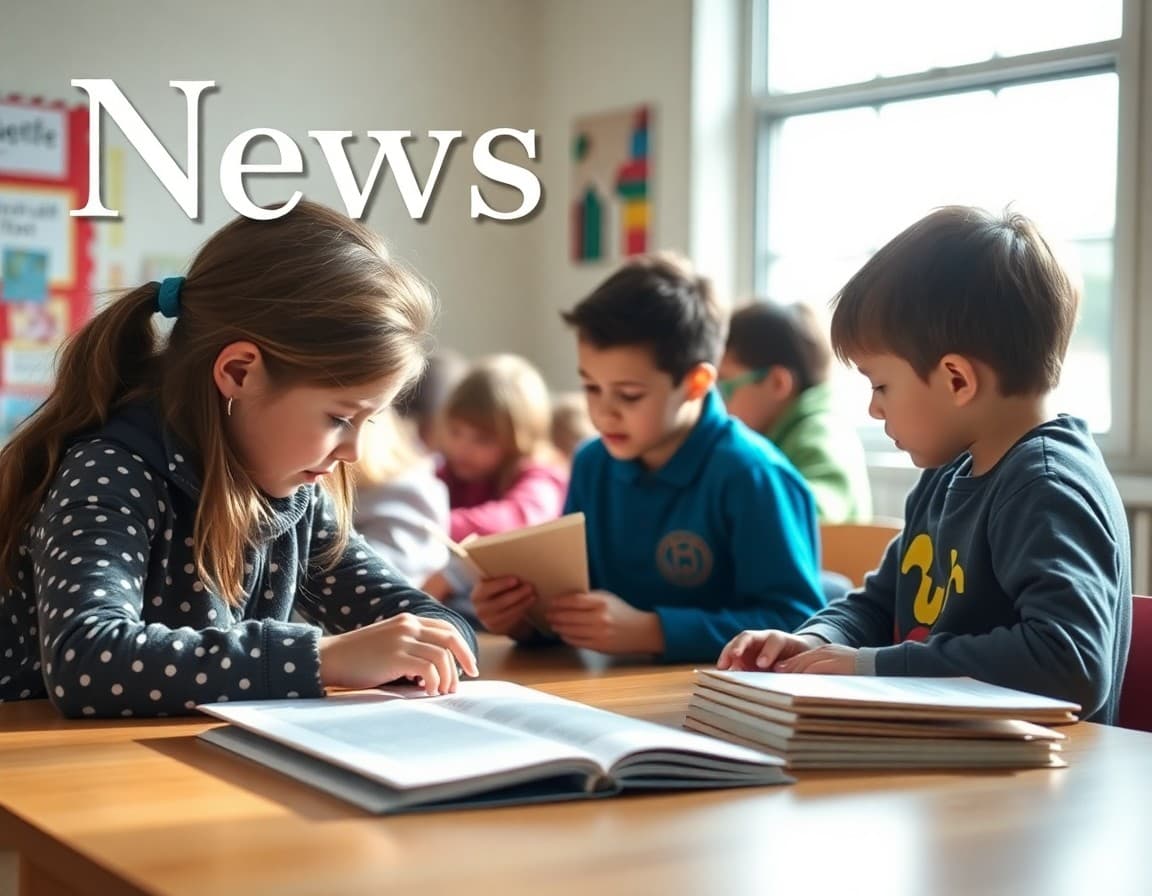
Nebraska classrooms range from Omaha's urban schools to one-room schoolhouses in the Sandhills. The literacy goals are the same across that range, but the context and available resources are very different. A literacy newsletter that meets Nebraska families where they are, with practical resources and clear expectations, serves the whole state.
Nebraska College and Career Ready Standards for Reading
Nebraska's ELA standards were developed independently and reflect the state's own educational priorities. They set clear grade-level expectations for reading literature and informational text. In your newsletter, describe the reading standard your class is focused on this month in one practical sentence. "We are learning to summarize a nonfiction text by identifying the central idea and the key details that support it, without including the reader's own opinion." That description gives families a window into the work and a question to ask their child.
NSCAS and Reading Progress
The Nebraska Student-Centered Assessment System assesses ELA in grades 3 through 8. Before testing season, explain the assessment in your newsletter and connect it to daily reading habits. "The NSCAS ELA section tests reading comprehension and written response. The reading skills we practice every day are exactly what the assessment measures. Consistent daily reading is the best preparation." That framing helps families see the connection between the habit and the outcome.
Nebraska Library Commission and Digital Access
Nebraska Library Commission provides free digital lending to all Nebraska residents through Libby. For families in rural Nebraska who are far from a library branch, this digital access is often the most practical reading resource available. Omaha Public Library and Lincoln City Libraries both have extensive children's departments and digital collections. Include the digital library link in your newsletter at least once per semester and before summer.
Nebraska's Latino Communities
Nebraska has growing Spanish-speaking communities in Omaha, Grand Island, Lexington, and other cities. Your newsletter can reach those families by affirming home language reading. "Reading in Spanish at home builds the same comprehension and vocabulary skills that support English reading. Keep that practice going." The Omaha Public Library and Lincoln City Libraries both have Spanish-language collections and bilingual story times.
A Template for Your Nebraska Literacy Newsletter
Reading focus this month: [skill or strategy the class is working on]
Nebraska standard: [plain-language description of the relevant benchmark]
NSCAS connection: [brief note on how this skill connects to the spring assessment]
Nebraska resource: [one library, digital tool, or state program available to families]
Home practice: [one specific, flexible reading activity for the week]
Rural Nebraska and the Reading Habit
Nebraska has some of the most sparsely populated communities in the country. For families in the Sandhills or the Panhandle, digital reading resources are far more accessible than physical library branches. Your newsletter should always include a digital option alongside any in-person recommendation. "Everything on this month's reading list is available through the Nebraska digital library, free on any device." That practical note makes the newsletter genuinely useful for rural families.
Nebraska Authors and Literature
Nebraska has a distinguished literary heritage. Willa Cather wrote her best-known novels about Nebraska pioneer life. More recently, Nebraska-connected authors have contributed to children's and young adult literature. Including Nebraska authors in your reading lists connects literacy to local identity and shows students that important books come from the places they know.
Building the Reading Habit All Year
The most effective thing a literacy newsletter can do is make one clear ask per send. End every newsletter with a single reading prompt. "Read aloud to your child for ten minutes tonight." Or "Ask your child to tell you what they noticed about how the author started and ended their story." Small, specific, actionable. That is what families remember and what moves the needle on reading habits over the course of a school year.
Get one newsletter idea every week.
Free. For teachers. No spam.
Frequently asked questions
What literacy standards does Nebraska use?
Nebraska uses the Nebraska College and Career Ready Standards for English Language Arts, which the state developed independently from Common Core. These set grade-level expectations for reading literature, informational text, foundational skills, writing, speaking, and listening. Describe the standard you are currently teaching in plain, practical language in your newsletter.
What reading assessments are used in Nebraska schools?
Nebraska uses the Nebraska Student-Centered Assessment System (NSCAS) for ELA in grades 3 through 8. Many schools also use classroom-level tools for progress monitoring. Your newsletter should explain the assessment schedule and what score levels mean before results come home.
What free literacy resources are available in Nebraska?
Nebraska Library Commission provides free digital lending through Libby for all Nebraska residents. Omaha Public Library, Lincoln City Libraries, and many county libraries offer children's programming. The Nebraska Center for the Book sponsors reading events. For rural families, digital lending is often the most accessible reading resource.
How do I support Nebraska's growing Latino communities in literacy communication?
Nebraska has significant Spanish-speaking communities, particularly in Omaha, Grand Island, and Lexington. Including home language literacy affirmations and links to bilingual library resources in your newsletter makes your communication more inclusive and effective for all families.
Can Daystage help Nebraska teachers send literacy newsletters?
Yes. Daystage is a school newsletter platform that Nebraska teachers can use to create professional, consistent literacy communications. Whether you teach in Omaha or a rural Sandhills district, Daystage provides a reliable digital tool for reaching all families.

Adi Ackerman
Author
Adi Ackerman is a former classroom teacher and curriculum writer with 8 years in K-8 schools. She writes about school communication, parent engagement, and what actually works in real classrooms.
More for Classroom Teachers
Reading Updates in Classroom Newsletters: What Parents Want to Know
Classroom Teachers · 5 min read
School Newsletter for National Literacy Month: Ideas and Template
Classroom Teachers · 6 min read
ELA Curriculum Update in Your Classroom Newsletter: What Parents Need to Know
Classroom Teachers · 6 min read
Ready to send your first newsletter?
3 newsletters free. No credit card. First one ready in under 5 minutes.
Get started free