

Maryland Literacy Newsletter: Local Resources and Reading Guide
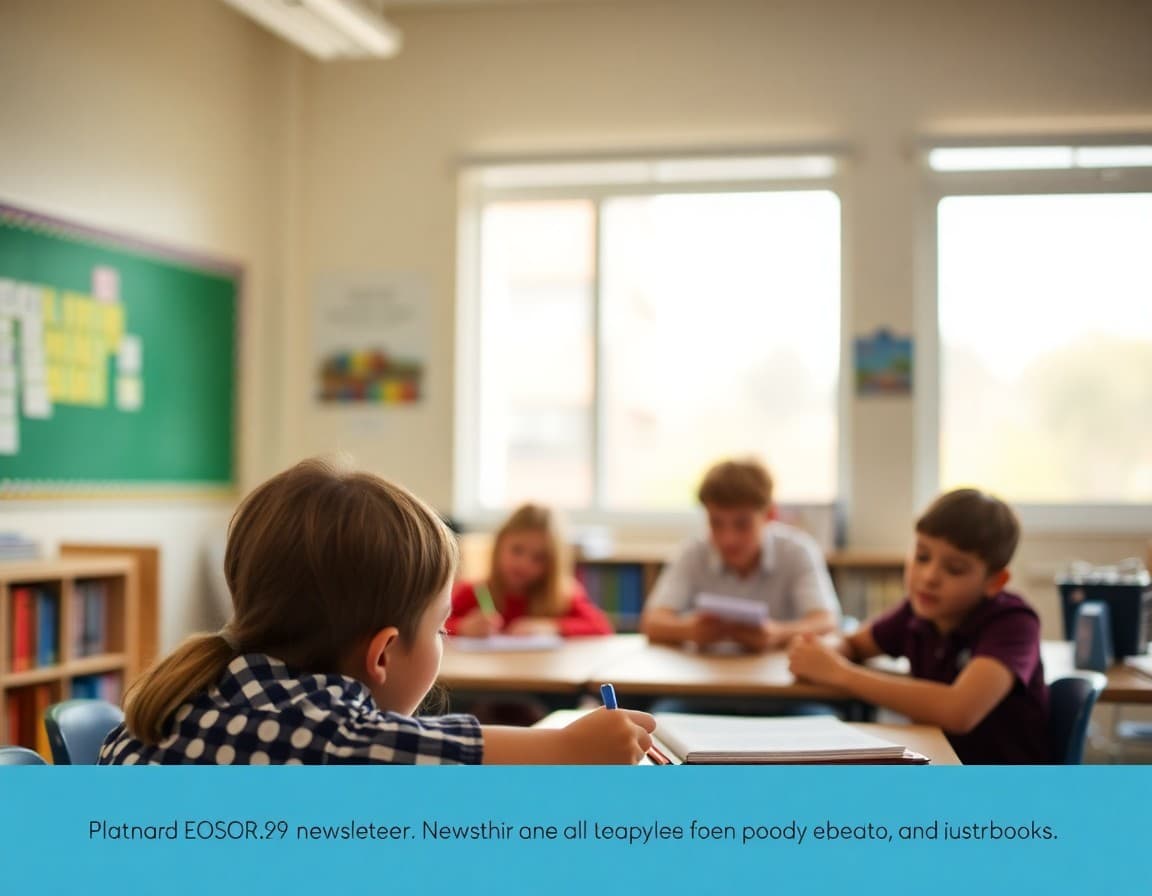
Maryland has some of the most well-resourced and engaged parent communities in the country, particularly in Montgomery County, Howard County, and other suburban areas near Washington D.C. But Maryland also includes communities in Baltimore City and rural Western Maryland with very different resource profiles. A literacy newsletter that speaks to the full range of Maryland families is both a challenge and an opportunity.
Maryland College and Career Ready Standards
Maryland's MCCRS for ELA align with Common Core and set clear grade-level reading expectations. In your newsletter, describe the standard your class is focused on this month in a sentence parents can use. "We are working on identifying the author's point of view and explaining how it shapes the information in a nonfiction text. Ask your child what the author seemed to believe and what clues in the text led them to that conclusion."
MCAP Assessment Preparation
The Maryland Comprehensive Assessment Program tests ELA in grades 3 through 8 and 10. It includes extended writing tasks that require students to analyze and synthesize multiple texts. Before test season, your newsletter should connect the daily reading work you do to the MCAP tasks. "Everything we practice, close reading, finding evidence, writing about what we read, is exactly what the MCAP asks students to do." That framing reduces test anxiety and increases family support for daily reading habits.
Maryland's Exceptional Library Resources
Maryland's public library systems are among the best in the country. Enoch Pratt Free Library in Baltimore is nationally recognized. Montgomery County Public Libraries and Prince George's County Memorial Library System are both extensive and well-funded. All offer digital lending through Libby. In your newsletter, name the specific local library your students use and mention its programming. Families are more likely to visit a library they have heard their teacher recommend.
Maryland's Multilingual Communities
Montgomery County and Prince George's County have extraordinary linguistic diversity. Spanish, Amharic, Vietnamese, Chinese, Korean, and many other languages are spoken in Maryland homes. Your newsletter can reach these families by affirming home language literacy. "Reading in Spanish, Amharic, or Vietnamese at home builds the same comprehension skills that support English reading. Your family's language is a literacy resource." Montgomery County Public Libraries also have extensive multilingual collections.
A Template for Your Maryland Literacy Newsletter
Reading focus this month: [skill or strategy the class is working on]
MCCRS standard: [plain-language description of the relevant benchmark]
MCAP connection: [brief note on how this skill appears in the spring assessment]
Maryland resource: [one local library, digital tool, or community program]
Home practice: [one specific reading activity with a clear time commitment]
Maryland Authors and Literature
Maryland has produced important American writers. Edgar Allan Poe lived in Baltimore. Frederick Douglass was born in Talbot County, Maryland. More recently, authors like Ta-Nehisi Coates and Colson Whitehead have Maryland connections. Including Maryland-connected authors in your reading lists connects literacy to local history and shows students that significant literature comes from the places they live.
Baltimore City and Literacy Access
Baltimore City schools face literacy challenges that suburban Maryland schools do not. Your newsletter can acknowledge that directly while offering specific resources: "Enoch Pratt Free Library has branches across Baltimore and a free digital library for every resident. Summer reading programs at every branch keep kids reading through August." Specific, named resources are more useful than general recommendations.
Building Reading Conversations in Maryland Homes
Maryland families who are engaged with their children's education respond well to specific, intellectually substantive reading prompts. "Ask your child to explain the difference between what the author stated directly and what they had to infer from the text." That kind of question, tied to what you are actually working on in class, turns the newsletter into a tool for high-quality reading talk at home, which is one of the most powerful literacy interventions available.
Get one newsletter idea every week.
Free. For teachers. No spam.
Frequently asked questions
What literacy standards does Maryland use?
Maryland uses the Maryland College and Career Ready Standards (MCCRS) for English Language Arts, which are aligned with Common Core. These set grade-level expectations for reading literature, informational text, foundational skills, writing, and language. In your newsletter, translate the standard you are currently teaching into plain language families can understand.
What is the MCAP assessment and how does it affect literacy communication?
Maryland uses the Maryland Comprehensive Assessment Program (MCAP) for ELA in grades 3 through 8 and 10. The MCAP includes reading comprehension, literary analysis, and written response tasks. Before testing season, your newsletter should explain the assessment and how daily reading habits prepare students for it.
What free literacy resources are available for Maryland families?
Enoch Pratt Free Library in Baltimore, Montgomery County Public Libraries, Prince George's County Memorial Library, and the Maryland State Archives all offer strong reading resources. The Maryland State Library provides digital lending through Libby. Many Maryland counties have among the best-funded library systems in the country.
How do I support Maryland's diverse multilingual families in literacy communication?
Maryland has significant Latino, South Asian, Chinese, and African immigrant communities, particularly in Montgomery and Prince George's counties. Including home language literacy affirmations and linking to multilingual library resources makes your newsletter more inclusive and effective for all families.
Can Daystage help Maryland teachers communicate literacy goals to families?
Yes. Daystage is a school communication platform Maryland teachers use to send professional literacy newsletters with reading tips, resource links, and classroom updates. With Maryland's highly educated and engaged parent population, a well-organized newsletter meets the high standard families expect.

Adi Ackerman
Author
Adi Ackerman is a former classroom teacher and curriculum writer with 8 years in K-8 schools. She writes about school communication, parent engagement, and what actually works in real classrooms.
More for Classroom Teachers
Ready to send your first newsletter?
3 newsletters free. No credit card. First one ready in under 5 minutes.
Get started free