

May Newsletter Ideas for Second Grade Teachers: What to Send This Month
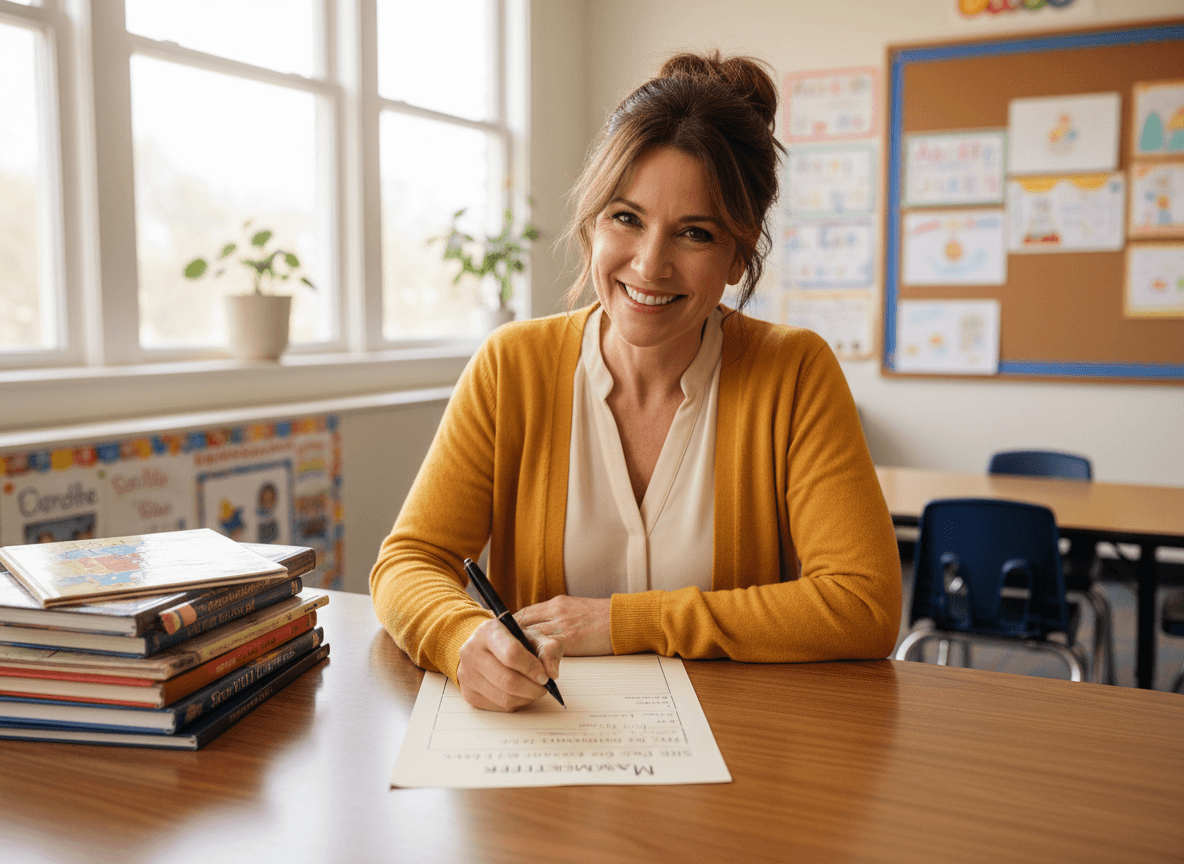
May in second grade is the month where the year's full arc becomes visible. Students who came in still sounding out multi-syllable words are now reading chapter books with confidence and writing organized paragraphs. Parents who showed up at back-to-school night wondering if their child was ready for second grade are now watching them walk into school as capable, independent learners. Your May newsletter honors that journey and prepares families for what comes next.
Summarize the year's academic milestones
Open with a specific, concrete summary of what the class accomplished. Second graders this year mastered fluent reading at a level N or O, learned to write organized multi-paragraph responses, gained fluency with two-digit addition and subtraction, and built deep knowledge in science and social studies units. Name the actual skills and benchmarks rather than offering vague praise.
Parents who receive a specific milestone summary understand the value of the year they just experienced. They also have language for talking about second grade with their child, their family, and incoming parents who ask what to expect.
Be honest about the end-of-year reading benchmark
Tell parents what the end-of-year reading benchmark is for second grade, where most of the class stands, and what it means for the summer. In most districts, second grade readers are expected to be at a level M, N, or O by June, which corresponds to reading chapter books like "Junie B. Jones" or "Magic Tree House" with strong comprehension and the ability to infer meaning from context.
If most students have met or exceeded the benchmark, celebrate that. If a portion of the class is still working toward it, tell parents directly that summer reading is meaningful, not optional, for those students. A child who reads at their current level every day for two months arrives in third grade closer to the target than one who puts the books away in June.
Prepare parents for third grade
Third grade is the year that reading stops being the primary focus and becomes the primary tool for learning everything else. That shift is significant, and second grade parents benefit from knowing what is ahead. Third graders are expected to read and summarize nonfiction texts, write essays with a clear claim and supporting evidence, and begin multiplication and division concepts.
The student who arrives at third grade reading fluently and writing in complete, organized paragraphs is set up for a strong year. The student who arrives having read all summer and practiced some math skills is in even better shape. The May newsletter is the right place to make that connection for families.
Share field day logistics
Field day is a major highlight for second graders. Give parents the date and time, what to wear and bring, whether parents are welcome to attend, and what the schedule looks like. Second graders remember field day for years. Clear communication in advance ensures everyone arrives prepared and the day goes smoothly.
Give specific summer reading suggestions
Include a short book list for the summer: five to eight titles at or just above the end-of-second-grade reading level. The "Magic Tree House" series by Mary Pope Osborne, the "Owl at Home" and "Little Bear" series for students still building chapter book stamina, "Freckle Juice" by Judy Blume, or any Scholastic level 3 or 4 reader are good options. Mix fiction and nonfiction. Students who have both types on the shelf are more likely to find something they want to read.
The goal is twenty minutes of reading every day. Not a homework packet. Not a reading log that gets filled in at the end of the summer. Just a book they like and time each day to read it.
Suggest summer math habits that stick
Math skills fade faster than reading skills over the summer if they are not practiced. Suggest low-effort habits: skip-counting by 2s, 5s, and 10s in the car, measuring things around the house with a ruler, reading prices at the store and calculating change, or playing simple card games that involve addition. These activities are quick and feel more like games than practice.
Close the year with something genuine
End the newsletter with a real, specific closing. Name what made this particular class memorable. Parents keep May newsletters in a way they do not keep other newsletters, and a warm, honest closing leaves a lasting impression. Thank families for their support, wish the students well, and send them into the summer with confidence.
Daystage makes it easy to send a May second grade newsletter that covers milestones, third grade transition, field day, and summer reading in one clean, professional message that families read and hold onto.
Get one newsletter idea every week.
Free. For teachers. No spam.
Frequently asked questions
What does a second grade May newsletter need to do that earlier newsletters skip?
By May, second grade parents are asking two questions: did my child have a good year, and are they ready for third grade? The newsletter should answer both directly. Celebrate the milestones the class reached, describe what the end-of-year reading and writing benchmarks look like and whether most students met them, and give families a clear preview of what third grade will expect. This is one of the most read newsletters of the year because the stakes feel real.
What third grade transition information should a second grade May newsletter include?
Third grade is where reading to learn replaces learning to read, and that shift is significant. Second grade parents should know that third grade expects students to read chapter-length nonfiction texts and extract main ideas, write multi-paragraph essays with evidence, and handle multiplication and division concepts from the start. A brief, practical preview in the May newsletter helps parents spend the summer on the right things rather than arriving at third grade orientation unprepared.
How should the May newsletter address students who are below the end-of-year benchmark?
Address it honestly but constructively. If some students are still working toward the reading or writing benchmark, the May newsletter can acknowledge that the summer is a meaningful window for practice and give specific suggestions: daily reading at the student's current level, sight word review, and continued writing practice. Families who know their child needs summer support are more likely to provide it than families who receive only positive news and are then blindsided in third grade.
What summer learning suggestions work best for second graders heading into third?
The most important is daily reading at or just above current level. Second graders heading into third grade should be reading chapter books independently for at least twenty minutes each day. Writing a few sentences in a journal, practicing multiplication skip-counting, and reviewing measurement concepts are all good summer habits. Keep the list short and frame it as maintenance rather than extra school. A child who reads every day arrives in third grade ready.
What newsletter tool works best for second grade teachers?
Daystage is designed for teachers who need to send a complete, readable end-of-year newsletter covering benchmarks, transition prep, field day, and summer reading without spending significant time formatting. The platform handles all of it in one place. Parents receive a professional newsletter in their inbox, and teachers write it in about fifteen minutes. It is one of the easiest ways to close the year well.

Adi Ackerman
Author
Adi Ackerman is a former classroom teacher and curriculum writer with 8 years in K-8 schools. She writes about school communication, parent engagement, and what actually works in real classrooms.
More for Classroom Teachers
Ready to send your first newsletter?
3 newsletters free. No credit card. First one ready in under 5 minutes.
Get started free