
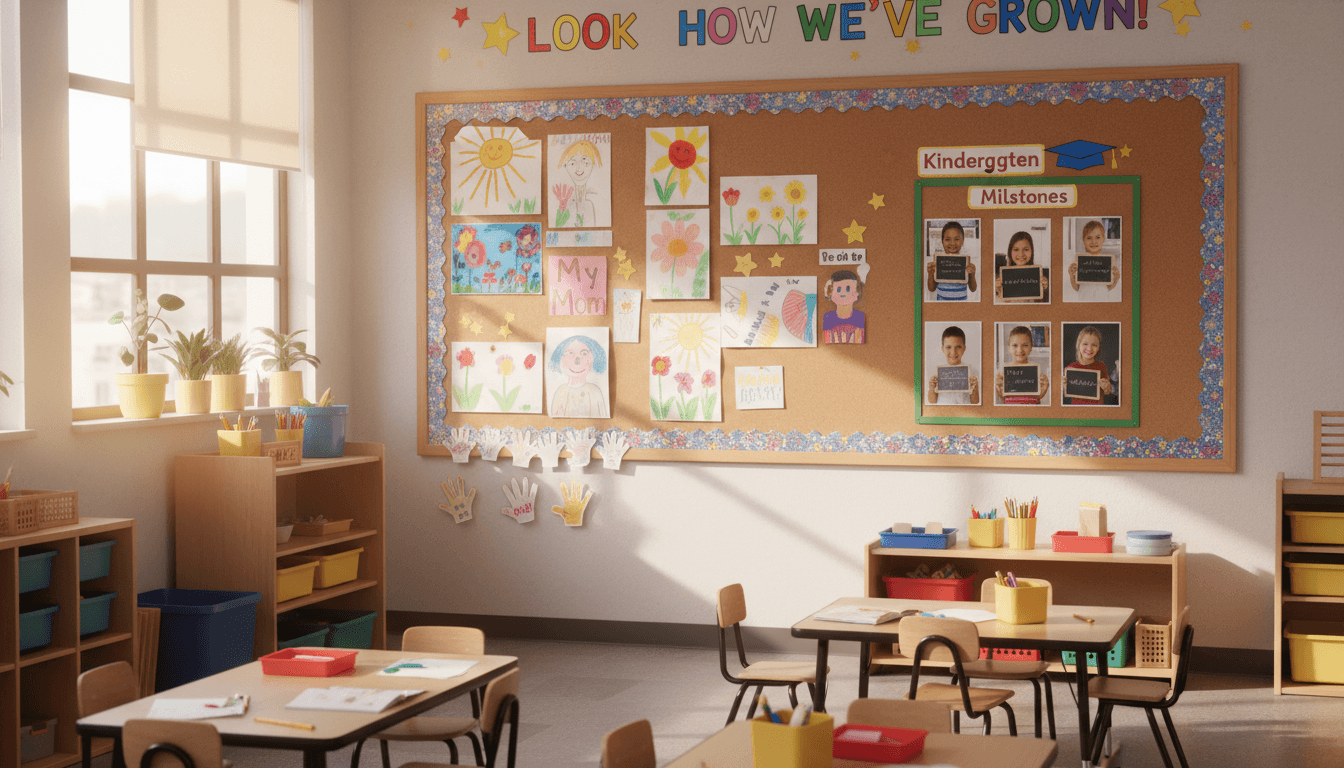
May Newsletter Ideas for Kindergarten Teachers: What to Send This Month
May in Kindergarten is one of the most meaningful months of the school year. Students who came in not knowing how to write their names are now reading simple books, writing sentences, and solving addition problems. Parents who were nervous about drop-off in September are watching their child walk into school with confidence. Your May newsletter celebrates that progress and prepares families for what comes next.
Celebrate the year's milestones
Open the newsletter with a genuine acknowledgment of what this class has accomplished. Name specific skills: students now recognize all 26 letters and their sounds, can read a list of 80 to 100 sight words, write three to four sentences about a topic, and add and subtract within 10. These are not small achievements. Parents who hear this clearly feel proud and informed.
You do not need to celebrate every child individually in the newsletter. A class-level summary of what was accomplished communicates the year's arc to every family and gives parents language for talking about Kindergarten when relatives ask how the year went.
Tell parents what first grade will look like
First grade moves faster than Kindergarten. Students are expected to read independently for longer periods, write complete paragraphs, and manage more complex math concepts like place value and addition and subtraction to 20. The pace of transition between subjects is also quicker.
Give parents a realistic picture without alarming them. A child who completed Kindergarten on track is ready for first grade. What matters over the summer is maintaining the habits: reading every day, practicing counting and simple number operations, and keeping the school-year sleep routine close to what it was.
Share field day details
Field day is one of the most anticipated events of the Kindergarten year. Give parents the date, the approximate schedule, what students should wear, whether sunscreen and a water bottle should come from home, and whether families are welcome to watch. Kindergarteners talk about field day for weeks. Parents who have the right information in advance can prepare their child and arrive ready if they are joining.
Describe the end-of-year celebration or Kindergarten graduation
Many Kindergarten classes hold a small graduation or celebration ceremony at the end of May or early June. Give families the date, time, and location, what students will be wearing or doing, and whether there is anything parents need to bring or prepare. If students are performing a song or reading their own writing, let families know in advance so they can look forward to it.
Suggest summer learning habits without overloading families
A brief summer learning section in the May newsletter is genuinely useful. The research on summer slide is real, and Kindergarteners are at an age where the habits built this year can either hold or fade quickly depending on how the summer goes.
Keep the suggestions simple and low-pressure: read together for fifteen minutes each day, practice sight words with flashcards a few times a week, count and sort objects around the house, or write a few sentences in a journal. Three or four specific ideas are more actionable than a general reminder to keep learning.
Name what students should practice over summer
Be specific about the academic skills worth maintaining. Sight word fluency is the one most likely to fade without practice. Letter sound knowledge, basic addition and subtraction facts, and writing with spaces between words are all worth reviewing. A brief list with one activity idea per skill gives parents something concrete to work with without making the summer feel like school.
Close with warmth and a clear goodbye
End the newsletter with a genuine closing. Acknowledge the year together, name what made this class special, and wish families a wonderful summer. A warm, specific close lands differently than a generic "have a great break." Parents remember the tone of the last communication they receive from a teacher, and a good ending reflects well on the whole year.
Daystage makes it easy to send a May Kindergarten newsletter that celebrates milestones, prepares families for first grade, and closes the year with the warmth it deserves, all in one clean message that takes about fifteen minutes to write.
Get one newsletter idea every week.
Free. For teachers. No spam.
Frequently asked questions
What should a Kindergarten May newsletter focus on that earlier months do not?
May is the transition month for Kindergarten. The newsletter should celebrate what students have learned over the year and simultaneously prepare parents for first grade. Many families do not know what first grade will require until they get there. A May newsletter that names specific academic milestones achieved, what first grade teachers typically expect, and how parents can keep skills fresh over the summer gives families a roadmap for the three months ahead.
How should a Kindergarten May newsletter handle end-of-year emotions?
Acknowledge them. Kindergarten is often the most emotionally significant year in elementary school, both for students and for parents of firstborn children. A brief, warm note recognizing that the year is ending and that it has been a meaningful one sets a tone that parents appreciate. You do not need to be sentimental in a way that feels over-the-top, but naming the achievement of completing Kindergarten matters to families.
What first grade transition information belongs in the May Kindergarten newsletter?
Give parents a clear picture of what first grade expects academically: reading independently at a basic level, writing complete sentences, recognizing and writing numbers to at least 20, and following a more structured daily routine. Also mention social and organizational expectations: managing a backpack independently, transitioning between activities more quickly, and sustaining focus for longer work periods. Parents who know what is coming can support their child's readiness.
Should the May Kindergarten newsletter include summer learning suggestions?
Yes, briefly. Kindergarteners who do not practice over the summer lose some of what they built, especially with sight words and phonics patterns. The newsletter can suggest low-pressure habits: reading together for fifteen minutes each day, playing counting games in the car, writing a postcard or journal entry a few times a week. Keep the list short and frame it as maintenance, not homework.
What newsletter tool works best for Kindergarten teachers closing out the year?
Daystage is built for teachers who want to send a clear, warm end-of-year newsletter without a lot of formatting work. For a May Kindergarten newsletter covering milestones, field day, and first grade transition, the editor handles everything in one place. Parents receive a readable, professional newsletter in their inbox, and writing it takes about fifteen minutes.

Adi Ackerman
Author
Adi Ackerman is a former classroom teacher and curriculum writer with 8 years in K-8 schools. She writes about school communication, parent engagement, and what actually works in real classrooms.
More for Classroom Teachers
Ready to send your first newsletter?
3 newsletters free. No credit card. First one ready in under 5 minutes.
Get started free