
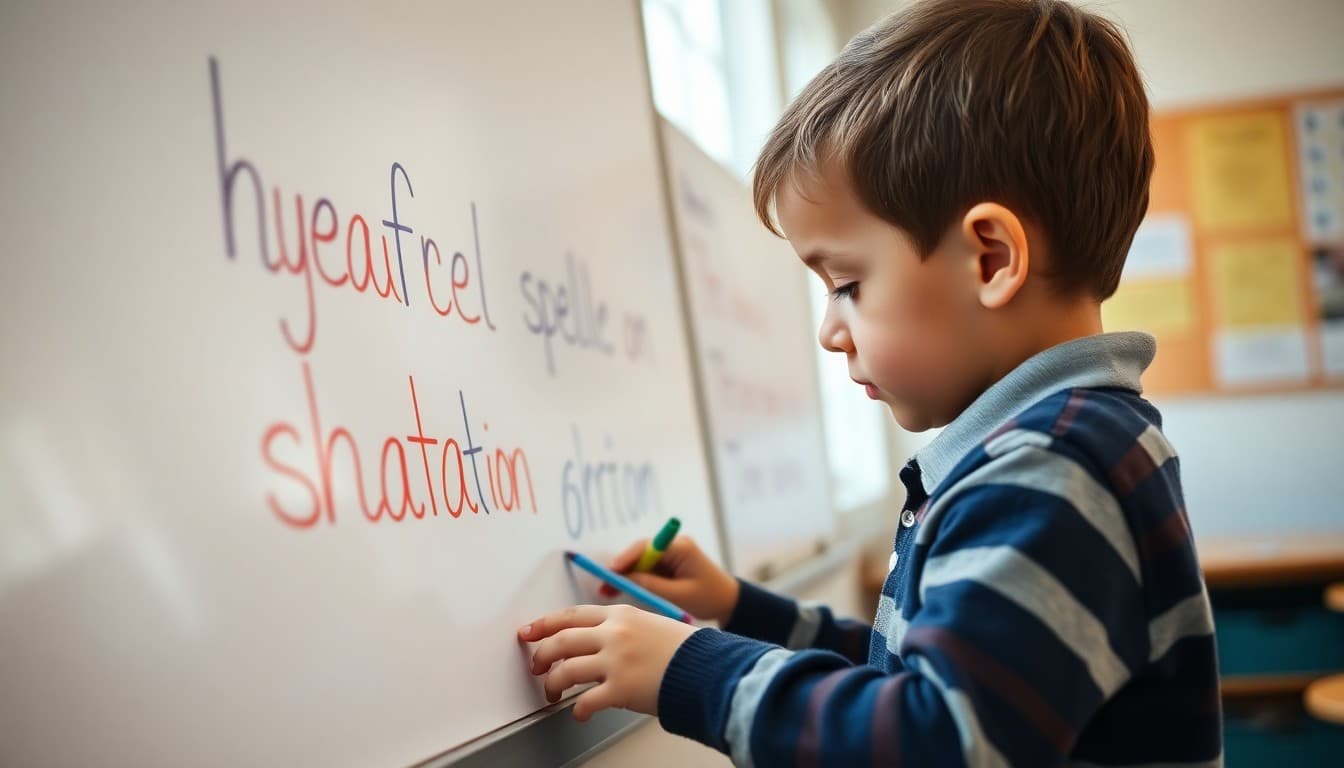
Kindergarten Spelling Words Newsletter: How to Tell Parents What to Practice
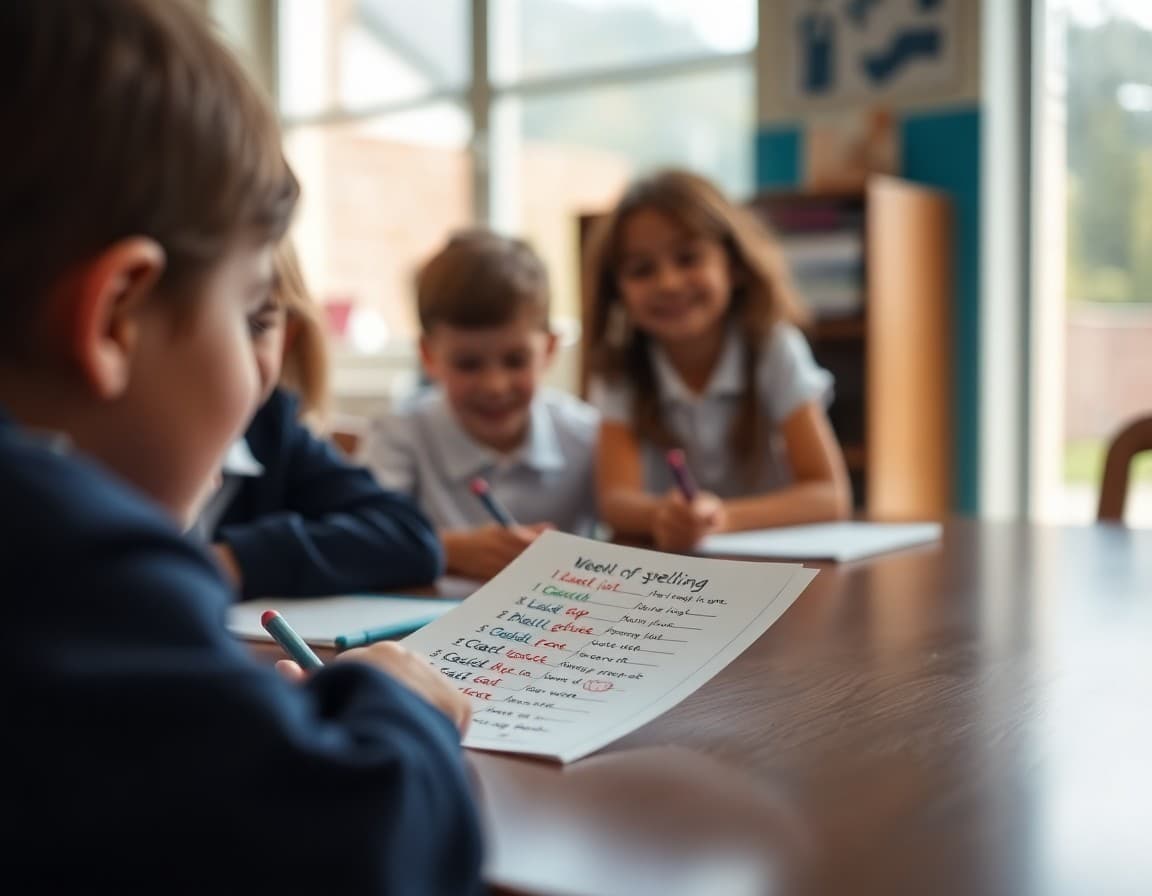
Spelling practice works best when families understand both the what and the how. A newsletter that sends home the word list without any guidance produces inconsistent practice. One that explains the words, the strategies, and the goal produces families who are actually helping.
Start With Why These Words Matter
Parents are more motivated when they understand the purpose. Kindergarten spelling words are usually sight words (words that need to be recognized instantly) and CVC words that reinforce the phonics patterns you are teaching. A quick sentence explaining this connects home practice to classroom learning.
Example: "This week we are working on the word family -at: cat, bat, hat, mat, rat. These words follow a pattern your child can apply to many other words they will encounter in reading."
Include the Weekly List in Every Newsletter
Put the actual word list in the newsletter body, not just in a paper take-home. Parents who read your newsletter on their phone on Monday morning have immediate access without digging through a backpack. A short table or bulleted list of 5-8 words takes 30 seconds to add and removes the most common barrier to practice.
Give Families Three Specific Practice Activities
Abstract advice like "practice spelling words" does not help much. Concrete activities do. Include 3 options families can use without preparation, and rotate new ideas monthly to keep practice fresh.
Rainbow writing: Write the word in pencil, then trace it in three different colors. The repetition builds muscle memory and the colors make it engaging.
Write in sand: Put a thin layer of salt or sand in a baking sheet. Child traces letters with one finger while spelling aloud.
Jump and spell: Say a letter, jump, say the next letter, jump. Physical movement combined with letter names helps kinesthetic learners retain the sequence.
Explain What the Test Looks Like
If you give a weekly spelling assessment, describe it in the newsletter. For kindergarten, you might ask students to write the word after you say it, or identify the correct spelling from two choices. Families want to know what their child is being tested on so they can prepare appropriately, not more than necessary.
How Much Time to Spend
Be specific: 10 minutes per night, 4-5 nights per week is plenty for kindergarten spelling practice. More than that tends to create resistance rather than retention. Families who know the time commitment are more likely to actually start the practice each evening.
What to Do When Words Are Too Hard
Some kindergartners will struggle with certain words. Give families a strategy: cover the word, try to spell it, check. Repeat until correct. Do not move on to the next word until the previous one is solid. For students who find the whole list overwhelming, suggest focusing on 3 words instead of all 8 and building from there.
Celebrating Spelling Progress
Mention how you recognize spelling progress in class. Whether that is a sticker for mastering all words, a spot on a word wall, or reading the words in a sentence, families want to know the practice is noticed. Even a brief note like "I celebrated 14 students for mastering this week's list" motivates families to keep going the following week.
Get one newsletter idea every week.
Free. For teachers. No spam.
Frequently asked questions
What are kindergarten spelling words and how are they different from sight words?
Sight words are high-frequency words students need to recognize instantly by sight, like 'the,' 'and,' 'is,' and 'you.' Spelling words may overlap with sight words but also include phonetically regular words that reinforce the phonics patterns you are teaching. In kindergarten, most spelling practice focuses on sight words plus CVC (consonant-vowel-consonant) words like 'cat,' 'big,' and 'hop.'
How many spelling words should kindergartners practice each week?
Five to eight words per week is typical for kindergarten, depending on the time of year and your curriculum. Early in the year, start with 3-5 words so families can build the practice habit without feeling overwhelmed. As the year progresses and the routine is established, moving to 6-8 words works well for most students.
What are the best ways for kindergartners to practice spelling words at home?
Multisensory practice works best: spell words with fridge magnets, write in shaving cream, stamp letters, rainbow write (trace the word in multiple colors), and use playdough to form letters. Straight repetitive writing is less effective for kindergartners than activities that engage different senses. The practice should feel more like play than homework.
Should parents quiz kindergartners on their spelling words?
Brief, low-pressure quizzes can help, but the approach matters. A casual 'can you spell cat for me?' during dinner is very different from sitting down with a pencil and paper for a practice test. Keep it conversational and positive. If the child misses a word, spell it together and move on. Avoid keeping score or expressing frustration.
Does Daystage let me include the weekly spelling list in the class newsletter?
Yes, and it takes about 2 minutes to add. You can include the list as a text block, a formatted table, or a linked printable. Many teachers send the spelling list as part of their Monday newsletter so families have it all week. Daystage makes it easy to update the list each week without reformatting the whole newsletter.

Adi Ackerman
Author
Adi Ackerman is a former classroom teacher and curriculum writer with 8 years in K-8 schools. She writes about school communication, parent engagement, and what actually works in real classrooms.
More for Classroom Teachers
Ready to send your first newsletter?
3 newsletters free. No credit card. First one ready in under 5 minutes.
Get started free