Kindergarten Classroom Community Newsletter: Build Family Buy-In Early
Families who understand how your classroom community works are better partners in their child's social-emotional development. A newsletter that pulls back the curtain on your daily community practices, explains the language you use, and shows how families can reinforce these practices at home builds the kind of home-school alignment that makes a real difference in kindergarten.
Explain Your Morning Meeting Routine
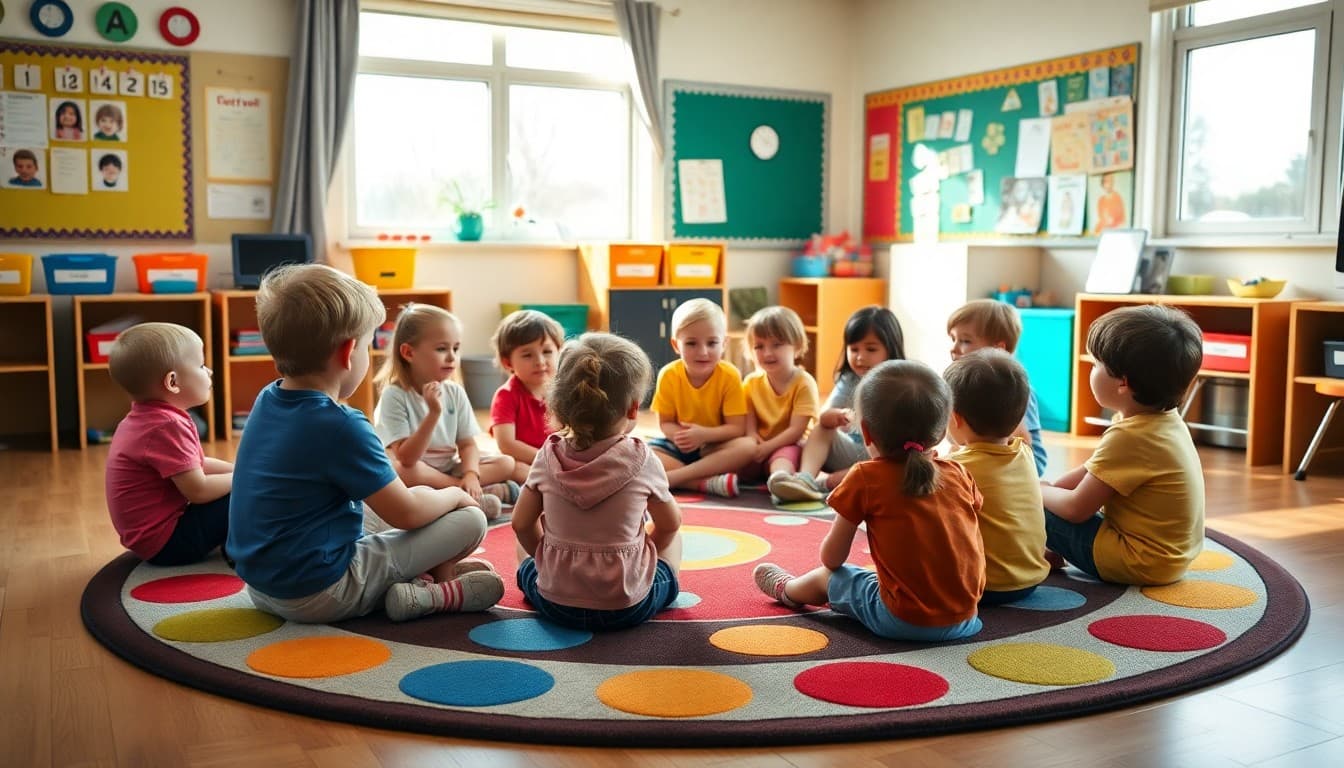
Morning meeting is the heartbeat of most kindergarten classrooms, but families rarely understand what it is or why it matters. A brief description goes a long way: "Every morning we start with a 20-minute meeting. We greet each other by name, share one thing about our day, do a short group activity, and review our daily news. This routine builds connection, language skills, and the ability to listen to peers."
If you have a specific greeting or ritual your class uses, describe it. Families love knowing their child is saying "Good morning, Maya" to a classmate every single day.
Share Your Community Agreements
Your class rules or community agreements belong in your community newsletter. For kindergarten, keep the list short and written in student-friendly language. Three to five agreements is the right number: we listen when others speak, we keep our hands and feet to ourselves, we help each other, and we are kind with our words.
Explain that students helped create these agreements (if they did) and what it means when they are not followed. This prepares families for any behavior conversations later in the year.
The Conflict Resolution Language You Teach
This section is one of the most useful things you can share. When parents know the specific phrases you use in class, they can prompt those same phrases at home during sibling conflicts or playground disagreements.
Example: "When two students have a conflict, we use the Peace Corner and two steps. First, we each say how we feel: 'I feel sad when you knock down my blocks.' Then we decide on a solution together. You can practice this same process at home for small conflicts."
Classroom Jobs and Shared Responsibility
Kindergartners take classroom jobs seriously. Tell families what jobs exist (line leader, door holder, weather reporter, table cleaner, greeter) and why they matter. Jobs build ownership of the classroom space and teach responsibility. Many families will prompt their child by asking "what was your job today?" once they know the system exists.
Celebrating Community Moments
Include a brief section on something your class did that demonstrated strong community recently. "This week, three different students noticed when a classmate was sitting alone at recess and invited them to join their game. That is exactly what our community looks like at its best." These specific, real examples show families what the values look like in practice.
How Families Can Support at Home
Give parents 3 specific things they can do at home to reinforce classroom community values. Ask your child to name one kind thing they did at school today. Practice greeting family members by name at dinner. When conflict happens at home, try the two-step process: name the feeling, then find a solution together.
What to Do When School Behavior Differs From Home Behavior
This is a question families often wonder about but do not ask. Address it directly: many kindergartners behave very differently at school versus home. At school, they are managing impulses, following group norms, and working hard. At home, they release. If your child falls apart after school, that is often a sign of a good day, not a bad one. It is worth saying out loud.
Get one newsletter idea every week.
Free. For teachers. No spam.
Frequently asked questions
What does classroom community mean in kindergarten?
Classroom community refers to the shared norms, routines, and relationships that make a classroom feel safe and supportive for every student. In kindergarten, this includes morning meeting rituals, shared jobs and responsibilities, conflict resolution strategies, and the language you use to describe how students treat each other. Strong classroom community reduces behavior problems and increases academic engagement.
Why should teachers share classroom community practices with families?
When families understand the language and strategies you use in class, they can reinforce them at home. If you teach students to say 'I feel frustrated when you take my things' instead of hitting, and parents hear this phrasing in the newsletter, they can prompt the same language at home. Consistency between school and home accelerates social-emotional development significantly.
What should a classroom community newsletter include?
Include your morning meeting format, the community agreements or class rules, any shared rituals like a daily greeting or closing circle, the conflict resolution strategy you teach, and the current community focus (this week we are practicing taking turns in group work). Photos of students doing these activities make the newsletter concrete rather than abstract.
How often should I send a classroom community newsletter?
One detailed community-focused newsletter at the start of the year sets the foundation. Monthly or quarterly updates highlighting growth, celebrating community moments, and introducing new practices keep families connected throughout the year. You do not need a dedicated community newsletter every week; weaving community updates into your regular newsletter works just as well.
Does Daystage let me include photos of classroom community activities in newsletters?
Yes. Photo blocks in Daystage newsletters display classroom photos directly in the email and on the web version. For a community newsletter, showing actual photos of morning meeting or a conflict resolution moment (without identifying children who might be sensitive about it) makes the content tangible for families who have never seen these practices in action.

Adi Ackerman
Author
Adi Ackerman is a former classroom teacher and curriculum writer with 8 years in K-8 schools. She writes about school communication, parent engagement, and what actually works in real classrooms.
More for Classroom Teachers
Ready to send your first newsletter?
3 newsletters free. No credit card. First one ready in under 5 minutes.
Get started free