

Florida Literacy Newsletter: Local Resources and Reading Guide
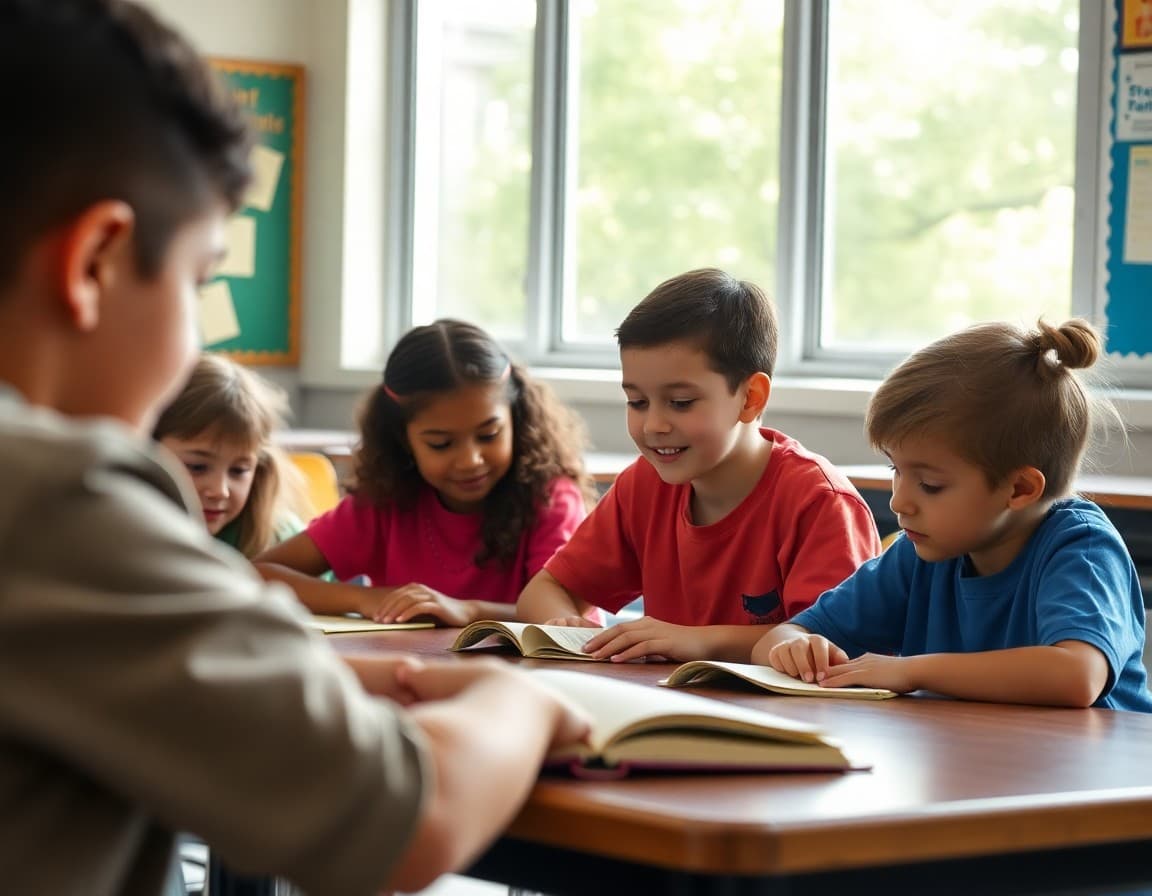
Florida has among the strongest reading accountability laws in the country. Third-grade retention, regular assessment requirements, and the BEST standards framework all mean Florida families receive more formal reading communication than families in most other states. A clear, consistent literacy newsletter from the classroom teacher gives families the context they need to understand all of that official communication.
Florida's BEST Standards for Reading
Florida's BEST ELA standards set grade-by-grade expectations for reading foundational skills, literary analysis, and informational text comprehension. In your newsletter, translate the standard you are currently addressing into one sentence families can hold onto. "We are working this month on explaining how the beginning, middle, and end of a story connect to each other." That framing gives families a question to ask their child without requiring them to read the full standards document.
Florida's Third-Grade Reading Requirement
Florida law requires that third-grade students who cannot read at grade level may be retained. This is a significant policy that families of K through 3 students should understand before their child is ever at risk. Use your literacy newsletter to explain the assessment system, what grade-level reading looks like at your grade, and what supports are available. Families who understand the stakes early are better positioned to support intervention and make informed decisions.
Just Read, Florida! and State Resources
Florida's Just Read, Florida! initiative provides reading resources, family literacy guides, and teacher training through the Florida Department of Education. The Florida Electronic Library gives all Florida residents free access to digital books and research tools. Include one of these resources in each literacy newsletter, especially before summer, when reading loss is most acute.
Florida's Public Library Network
Florida's public library systems are extensive. Miami-Dade Public Library, Orange County Library System, Hillsborough County Public Library, and the Broward County Library are all large, well-funded systems with strong children's departments. Digital lending through Libby is available statewide. Before summer, your newsletter should include library signup information and mention the Florida summer reading program, which runs at libraries across the state.
A Template for Your Florida Literacy Newsletter
Reading focus this month: [skill or strategy the class is working on]
BEST standard connection: [plain-language version of the relevant standard]
Florida reading law note: [brief explanation if relevant to your grade level]
Florida resource: [one local library, digital tool, or state program]
Home practice: [one specific reading activity for the week]
Multilingual Families in Florida Classrooms
Florida's diversity is a strength. Spanish, Haitian Creole, and Portuguese are widely spoken in Florida homes. Reading in any language builds comprehension and vocabulary skills that transfer to English. Your newsletter can affirm this: "If your child reads in Spanish or Haitian Creole at home, that practice supports their reading development in English. Keep going." That one sentence reaches families who might otherwise think home language reading does not count toward school literacy goals.
Florida Summer Reading
Florida summers are long and hot. Kids spend more time indoors than in many other states, which creates reading opportunities if families know about them. Florida public libraries run summer reading programs through the Florida Library Youth Program. Your May newsletter should promote this program directly: name it, link to it, and recommend it. A teacher recommendation increases library program participation more than any library flyer can.
Making Assessment Results Understandable
Florida students receive multiple reading assessments throughout the year. Families can feel overwhelmed by scores and reports. In your newsletter, explain which assessment your class takes and what the result categories mean in plain language. "A score in the 'meets expectations' range means your child is on track. If your child is 'approaching,' we are working on it together and I will let you know specifically what that looks like." That framing turns a report into a conversation.
Get one newsletter idea every week.
Free. For teachers. No spam.
Frequently asked questions
What are Florida's BEST standards and how do they affect literacy instruction?
Florida's Benchmarks for Excellent Student Thinking (BEST) standards replaced Common Core for ELA. They emphasize foundational reading skills in early grades and build toward complex text analysis in upper grades. Your newsletter should describe which BEST standard your class is working toward in plain language, connected to what students are actually doing each week.
What is Florida's reading retention law?
Florida requires that third-grade students who cannot read at grade level may be retained. This has significant stakes for K through 3 families. Your literacy newsletter should explain the assessment schedule, describe what constitutes grade-level reading, and outline what intervention is available so families understand the system before any individual notification.
What free literacy resources are available for Florida families?
Florida has a strong public library network. Miami-Dade Public Library, Orange County Library System, and the Broward County Library are among the largest in the country. The Florida Electronic Library provides free digital resources for all Florida residents. The Just Read, Florida! initiative also offers family literacy guides through school districts.
How do I communicate with Florida's multilingual families?
Florida has large Spanish, Haitian Creole, and Portuguese-speaking communities. Including bilingual tips or acknowledging home language literacy in your newsletter reaches more families. The Miami-Dade school district in particular has extensive multilingual family resources that can be linked in your newsletter.
Can Daystage help Florida teachers communicate literacy expectations to families?
Yes. Daystage is a school communication platform that Florida teachers use to send professional, consistent literacy newsletters. With Florida's reading accountability requirements, having a reliable newsletter tool that reaches all families efficiently is a practical necessity, not just a nice-to-have.

Adi Ackerman
Author
Adi Ackerman is a former classroom teacher and curriculum writer with 8 years in K-8 schools. She writes about school communication, parent engagement, and what actually works in real classrooms.
More for Classroom Teachers
Ready to send your first newsletter?
3 newsletters free. No credit card. First one ready in under 5 minutes.
Get started free