
February Newsletter Ideas for Teachers: Love Learning This Month

February is short, packed, and culturally dense. Valentine's Day generates questions and logistics. Black History Month calls for thoughtful communication about what you are teaching and why. Winter academic momentum needs sustaining. And somewhere in there, many schools have a break or early dismissal week. A focused February newsletter covers all of this without feeling like a data dump.
Valentine's Day: Handle the Logistics Early
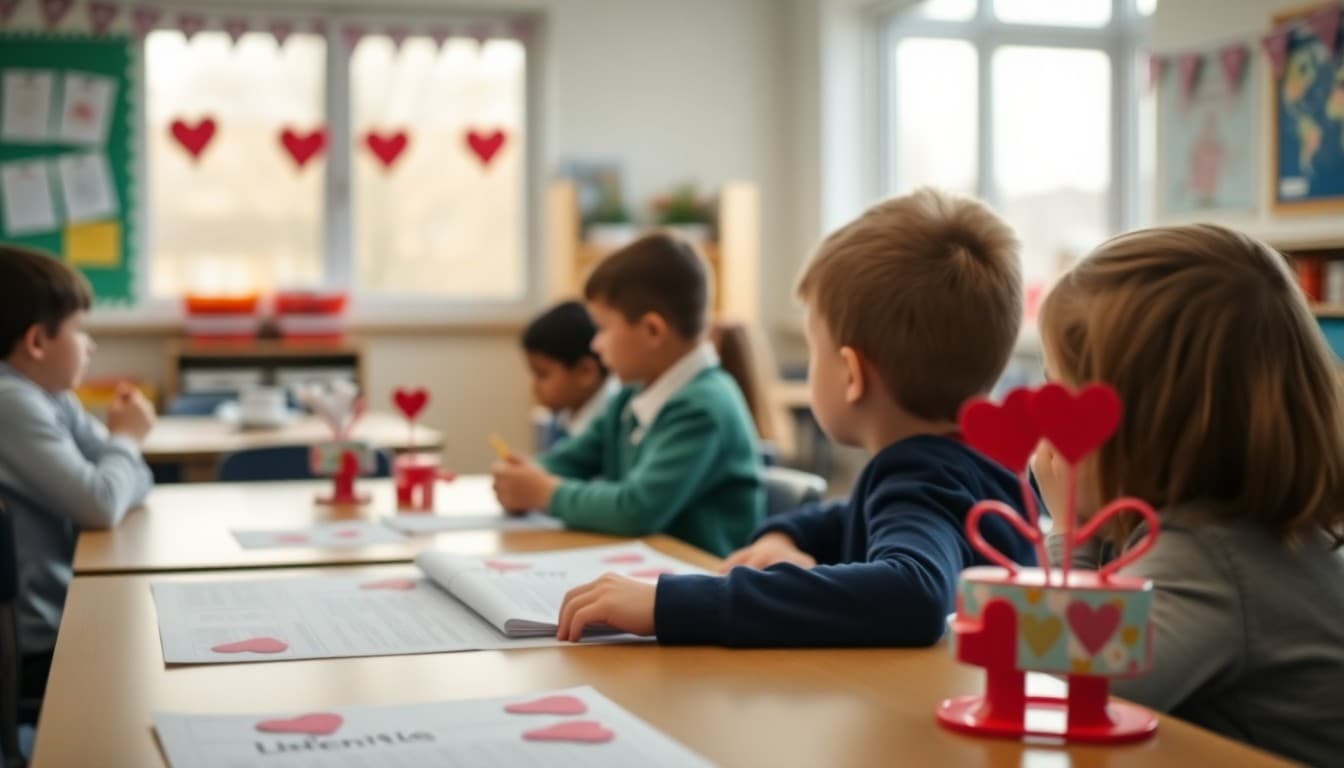
Send Valentine details at least two weeks ahead. Cover whether you are doing a card exchange, whether treats are allowed, what the class list looks like, and any timing. The most common frustration families have around Valentine's Day is finding out about the exchange at the last minute. Specific, early communication prevents the scramble and the hurt feelings when a student arrives without cards for a classmate.
Black History Month in Your Classroom
Name what you are studying. Not just "we are celebrating Black History Month" but: "This February we are reading primary source documents from the Civil Rights Movement, studying the contributions of Mae Jemison and Frederick Douglass, and writing persuasive essays inspired by historical speeches." Families who know the content are better positioned to support it at home and discuss it with their child.
Extending Black History Month at Home
Share two or three specific resources families can use: a book title appropriate for your grade level, a documentary on a streaming platform families likely have access to, or a local museum or library event happening this month. Do not overwhelm with a long list. Two specific suggestions will get more traction than twelve.
Mid-Year Academic Snapshot
February is a natural mid-year reflection point even without a formal report. Note what the class has accomplished since September: "We have completed five major writing projects, two full science units, and strong progress through our math curriculum. Most students are on track or ahead of the pacing guide." That kind of honest snapshot builds confidence without overpromising.
Upcoming Testing or Assessment Windows
If standardized testing windows open in February or March, give families advance notice. Tell them what subjects, what format, and when. For grades that are tested, families appreciate knowing several weeks ahead so they can ensure strong sleep and morning routines during the testing window.
Presidents' Day and February Break
If your school observes Presidents' Day with a day off or has a February break, include exact dates. Mention whether any work is expected over the break and what students should return with. Keep this section to three lines: date off, return date, any expectations. That is enough.
February as a Relationship Month
Close the newsletter with a reflection that ties the month's themes together: "February is a natural time to think about what we value in our communities. In our classroom, we have been spending time on how to disagree well, how to recognize others' contributions, and how to be accountable for our actions. The skills connect directly to the history we are studying." That kind of thematic closing makes the newsletter feel cohesive rather than just a list of logistics.
Get one newsletter idea every week.
Free. For teachers. No spam.
Frequently asked questions
What should a February classroom newsletter include?
Cover Valentine's Day event logistics if applicable, Black History Month classroom activities, any mid-year academic check-in, Presidents' Day and winter break dates if relevant, upcoming testing windows, and any major project deadlines. February is also a good month for a brief acknowledgment of what the class has accomplished since January.
How should teachers handle Valentine's Day in a classroom newsletter?
Give families the specifics early: whether cards or treats are allowed, the class list for card addressing if you are doing exchanges, the event date and time, and whether there is a class party. If your class is not doing a formal exchange, say so clearly to prevent students from arriving with uninvited valentines.
How should teachers communicate about Black History Month in newsletters?
Describe specifically what your class is studying: which figures, which events, which texts, and how the learning connects to your broader curriculum. Families appreciate knowing the content is taught with depth and specificity rather than a surface-level unit. Share one or two ways families can extend the learning at home.
Is February a good time to send a mid-year progress check newsletter?
Yes. Many schools have mid-year report periods in January or February. If yours does, your newsletter can contextualize the mid-year marks and preview what the second half of the year holds. If yours does not, a brief informal mid-year note about class progress is still valuable.
Can I include multimedia content like book recommendations in a Daystage newsletter?
Yes. Daystage newsletters support links, book lists, and embedded resources. You can include a list of recommended February reading with links to library or bookstore pages, making it easy for families to follow up on your Black History Month curriculum outside of school.

Adi Ackerman
Author
Adi Ackerman is a former classroom teacher and curriculum writer with 8 years in K-8 schools. She writes about school communication, parent engagement, and what actually works in real classrooms.
More for Classroom Teachers
Ready to send your first newsletter?
3 newsletters free. No credit card. First one ready in under 5 minutes.
Get started free