

How to Write an Emergency Contact Update Newsletter to Parents
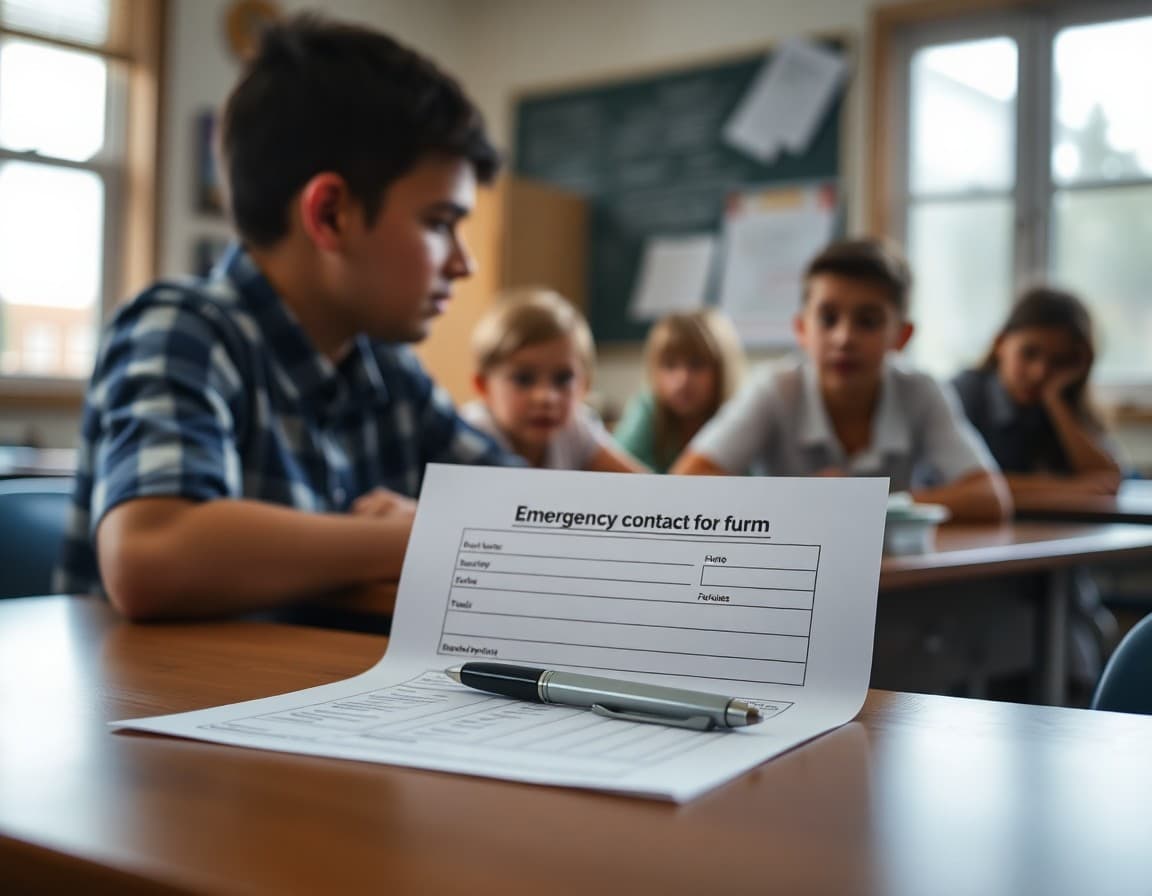
Emergency contact information is only useful when it is current. A family that moved in October, changed phone numbers in November, or added a new emergency contact in December may still have September's information on file at school. Your emergency contact newsletter closes that gap. It is one of the highest-stakes forms you collect all year, and the communication around it should match that importance.
Explain why you are asking
Families who understand the stakes return forms faster than families who treat it as administrative routine. A brief, direct explanation works. "In the event of an emergency at school, I need to be able to reach a family member immediately. The information on file needs to be current. Please take two minutes to complete or confirm your contact information." That is enough. You do not need to describe dramatic scenarios. The request itself is clear.
Tell them exactly what you need
List the specific fields you need filled out so families know the scope of the task. Primary phone, secondary phone, relationship to student, any medical information relevant to an emergency, current home address, preferred language for emergency communication. The more specific your list, the less likely families are to leave important fields blank.
Give a clear deadline
"Please return by [specific date]" gets faster compliance than "please return when you have a chance." If this is a form that must be returned before you can have the student on any off-campus activities, say that too. Clear stakes create clearer responses.
Make the submission as easy as possible
Paper forms that must be printed, completed, and returned in a backpack have a high abandonment rate. A form families can complete directly from their phone, triggered by a link in your newsletter, gets filled out in the five minutes before they put their phone down. If you can offer a digital option alongside the paper option, more families will use the digital route and your completion rate will rise.
Confirm what you will do with the information
Families sometimes hesitate to share personal information without knowing how it will be used. A brief note about privacy helps. "This information is kept in your student's school record and is accessible to classroom teachers and the main office for emergencies only. It is not shared externally." Families who know this are more forthcoming with accurate information.
Send a reminder before the deadline
A single reminder sent two days before your deadline captures most of the families who meant to complete the form but got busy. Keep the reminder short. "Just a reminder that emergency contact forms are due [day]. If you have already submitted yours, thank you. If not, here is the link again." Three sentences. Sent once. Significant impact on completion rate.
Handle updates mid-year
Tell families at the start of the year that they should reach out if their contact information changes during the school year. "If your phone number, address, or emergency contacts change at any point this year, please send me an updated form or email me directly. Current information is something I rely on." Families who know this is expected are more likely to send updates proactively rather than waiting until the next annual form.
Daystage lets you embed your emergency contact form directly in your newsletter so families can complete it from their phone without printing anything. Responses come directly to you in one organized view.
Get one newsletter idea every week.
Free. For teachers. No spam.
Frequently asked questions
What should I include in an emergency contact update newsletter?
Why you need current emergency contacts, what information you need, a deadline for returning the form, what happens with the information, and a direct and easy way to submit it. Families who understand why this matters are more likely to complete and return the form promptly.
How do I get families to return emergency contact forms quickly?
Give a specific deadline, send a reminder two days before it, and make the submission method as easy as possible. Families who can submit via a form link in the newsletter are faster than families who need to print, complete, and send back a paper form.
What information should an emergency contact form include?
Primary phone number, at least one secondary contact with their relationship to the student, any medical information relevant to an emergency, current home address, and any dismissal instructions that might differ from the standard. Cover the information you would need in an actual emergency.
How do I handle families who never return the form?
Follow up individually with families who have not submitted by your deadline. Do not use public channels to shame or pressure. A direct personal email or phone call is more effective and more appropriate than a newsletter announcement about incomplete forms.
Can Daystage help me collect emergency contact information through a newsletter form?
Yes. Daystage lets you embed a form in your newsletter so families can submit updated contact information directly without a paper form. Responses are collected in one place.

Adi Ackerman
Author
Adi Ackerman is a former classroom teacher and curriculum writer with 8 years in K-8 schools. She writes about school communication, parent engagement, and what actually works in real classrooms.
More for Classroom Teachers
Ready to send your first newsletter?
3 newsletters free. No credit card. First one ready in under 5 minutes.
Get started free