

Delaware Literacy Newsletter: Local Resources and Reading Guide
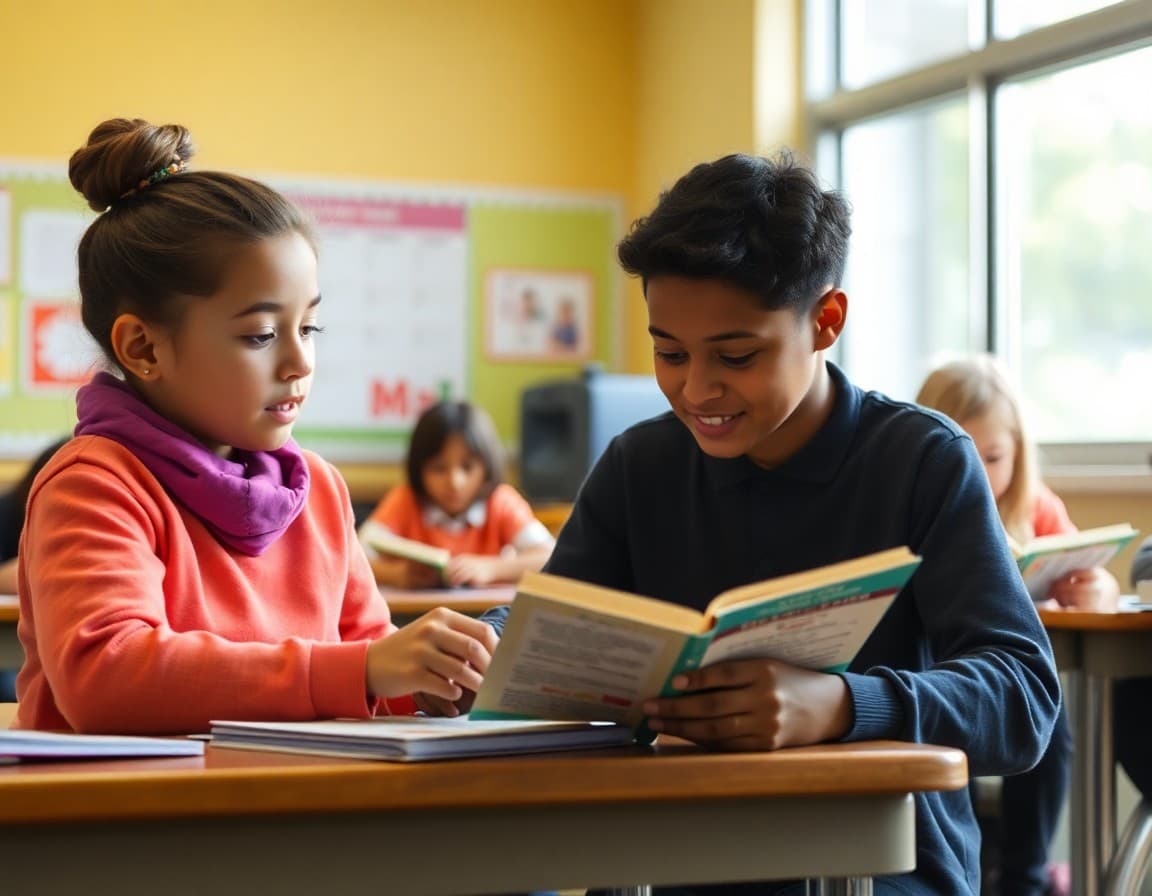
Delaware is a small state with a tight-knit education community. That closeness is an advantage. When classroom teachers communicate clearly with families, the message travels fast. A consistent literacy newsletter, sent monthly, can shape the reading culture of an entire class in ways that individual conversations never reach.
Delaware ELA Standards in Practice
Delaware follows Common Core ELA standards, which set specific expectations at every grade level. In your newsletter, describe the focus standard in a sentence families can use. "This month we are working on identifying the theme of a story and explaining how details from the text support that theme." That one line gives families something to ask about and reinforces what students are practicing in class.
Delaware's Assessment System
Delaware uses the Smarter Balanced Assessment in grades 3 through 8. For younger students, many schools use classroom-level assessments like iReady or running records. Your newsletter should explain the assessment schedule and what scores mean before results go home. Families who receive a score without context tend to either over-react or dismiss it. A brief newsletter explanation prevents both.
Delaware Division of Libraries Digital Access
Every Delaware resident has access to free digital borrowing through the Delaware Division of Libraries. The Libby app connects to this system and offers thousands of eBooks and audiobooks in multiple languages. For families without access to a physical library or without transportation, digital lending is the most accessible reading resource available. Include setup information at least once per semester.
Delaware Public Library Summer Reading
Delaware Public Libraries run a statewide summer reading program through the Division of Libraries. Before school ends, your newsletter should mention the program by name, include how to sign up, and explain why it matters. "Students who read during summer arrive in fall stronger than those who stop. The library program makes it easy and keeps kids motivated with prizes and tracking." A teacher recommendation dramatically increases participation rates.
A Template for Your Delaware Literacy Newsletter
Reading focus this month: [skill or strategy the class is working on]
Delaware standard: [plain-language description of the relevant benchmark]
Assessment note: [next assessment date and what to expect]
Delaware resource: [one library, digital tool, or program available to families]
Home practice: [one specific reading activity for the week]
Wilmington, Dover, and Beyond
Delaware classrooms range from Wilmington's urban schools to Sussex County's rural communities. The literacy challenges are different in each setting. Urban families may have easier library access but busier schedules. Rural families may have more evening time but less access to physical resources. Your newsletter can acknowledge this directly by offering both an in-person and a digital resource option each month.
Building Reading Into Delaware Family Life
Delaware families have strong community ties, from church groups to youth sports leagues. Reading recommendations that connect to community life land better than generic suggestions. Books about Delaware history, Chesapeake Bay nature, or local community stories give students a reason to read that goes beyond school requirements. Including one locally relevant title per quarter in your newsletter creates a connection families remember.
Making Literacy a Conversation, Not a Report
The best literacy newsletters do not just report data. They invite conversation. End each newsletter with one question families can ask their child about reading. "What was the funniest part of the book you are reading?" or "If you could change one thing about the ending, what would it be?" Those questions turn the newsletter into a starting point for the kind of talk about books that builds real comprehension skills.
Get one newsletter idea every week.
Free. For teachers. No spam.
Frequently asked questions
What literacy standards does Delaware use?
Delaware uses Common Core State Standards for English Language Arts. These set grade-level expectations for reading foundational skills, literature, informational text, writing, and language. In your newsletter, translate the standard you are focused on into plain language. 'This month we are working on asking and answering questions about what we read and using the text to back up our answers.'
What reading assessments are used in Delaware schools?
Delaware uses the Smarter Balanced Assessment (SBAC) for ELA in grades 3 through 8. Many Delaware schools also use benchmark assessments like iReady or Fountas and Pinnell for progress monitoring. Your newsletter should explain which tools your school uses and when, so families understand what results mean when they receive them.
What free literacy resources are available for Delaware families?
The Delaware Division of Libraries provides free digital access through Libby for all Delaware residents. Delaware Public Libraries serve communities statewide and offer children's programming and summer reading. The Delaware Center for the Book and the Brandywine Valley school district both have strong literacy support programs worth mentioning to families.
How do I support diverse families in Delaware's literacy newsletter?
Delaware has significant Latino and African American communities in Wilmington, Dover, and other cities. Acknowledging home language literacy as a valid and valuable bridge to English reading, and including multilingual resources when possible, strengthens your newsletter's reach and impact for all families.
Can Daystage help Delaware teachers send consistent literacy newsletters?
Yes. Daystage is a school newsletter platform that Delaware teachers can use to create professional, organized literacy updates. You can set up a monthly template and send it consistently to all families with links, photos, and reading tips, without requiring extra technical skills.

Adi Ackerman
Author
Adi Ackerman is a former classroom teacher and curriculum writer with 8 years in K-8 schools. She writes about school communication, parent engagement, and what actually works in real classrooms.
More for Classroom Teachers
Reading Updates in Classroom Newsletters: What Parents Want to Know
Classroom Teachers · 5 min read
School Newsletter for National Literacy Month: Ideas and Template
Classroom Teachers · 6 min read
ELA Curriculum Update in Your Classroom Newsletter: What Parents Need to Know
Classroom Teachers · 6 min read
Ready to send your first newsletter?
3 newsletters free. No credit card. First one ready in under 5 minutes.
Get started free