

Colorado Literacy Newsletter: Local Resources and Reading Guide
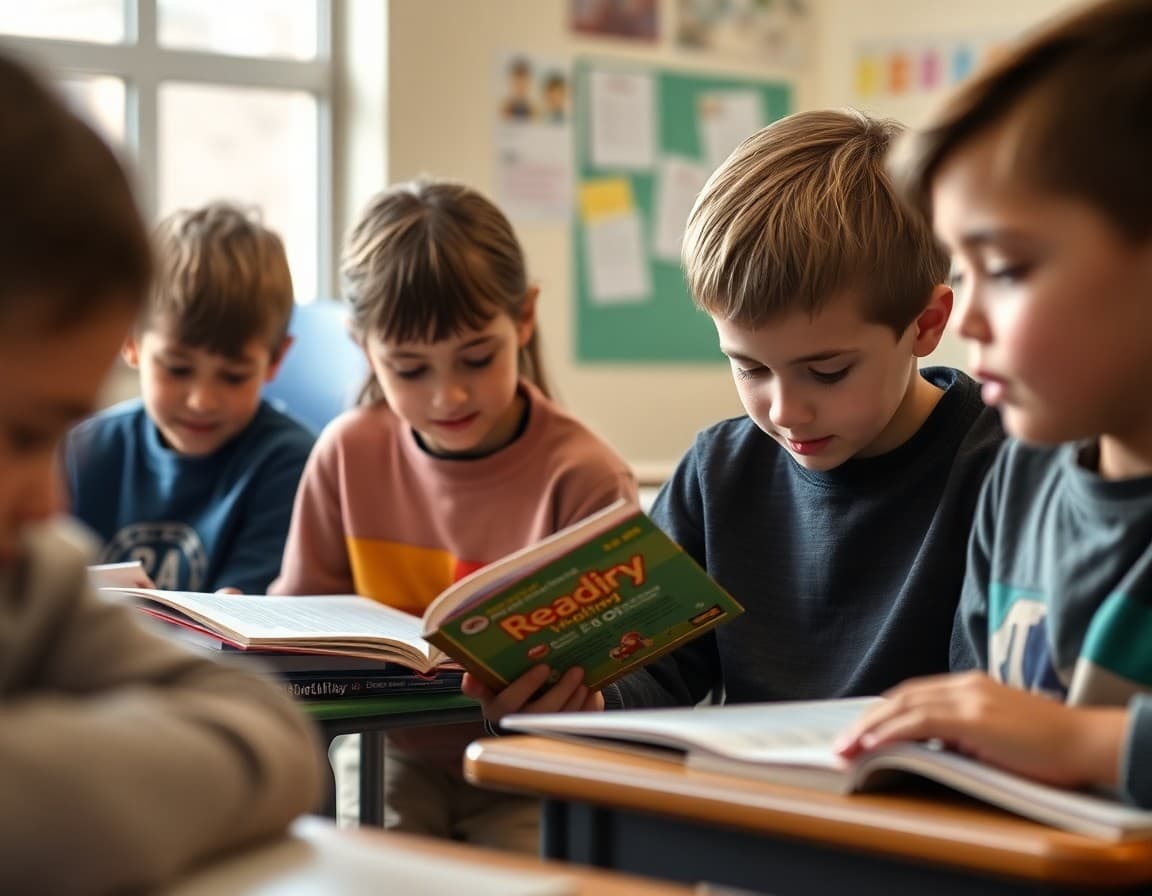
Colorado's READ Act makes early literacy a legal priority in the state. Families whose children are identified as having a reading deficiency must be notified and offered support. A clear literacy newsletter throughout the year means those conversations, when they happen, happen with context rather than surprise.
Colorado Academic Standards and Reading
Colorado Academic Standards for ELA set grade-level expectations that shape what teachers assess and report. In your newsletter, connect those standards to what you are actually doing in class. "This month we are working on asking and answering questions about key details in a story, one of our second-grade reading standards. Ask your child what questions they had while they were reading." That one line turns a standard into a dinner conversation.
What Colorado's READ Act Means for Families
The READ Act requires that students identified with significant reading deficiencies receive an intervention plan before third grade. Families will be notified if their child is identified. In your newsletter, explain this system before it applies to any individual child. "Colorado law requires me to assess reading regularly and inform families if a student needs additional support. This is a tool for early help, not a diagnosis. The earlier we catch a challenge, the more we can do about it."
Colorado Library Resources
Colorado has exceptional public library infrastructure. Denver Public Library, Boulder Public Library, Poudre River Public Library District, and Douglas County Libraries all offer extensive children's programming and digital lending. The Colorado State Library's digital resources through Libby are available to any Colorado resident with a library card. Include a library resource in each spring newsletter to prepare families for summer reading.
Colorado's Imagination Library
Dolly Parton's Imagination Library operates in many Colorado counties, providing a free book each month to children ages 0 to 5. If your school serves families with younger siblings, mentioning this program in your newsletter is a genuine service. Early exposure to books at home is one of the strongest predictors of kindergarten reading readiness.
A Template for Your Colorado Literacy Newsletter
Reading focus this month: [skill or strategy the class is working on]
Colorado standard: [plain-language description of the relevant benchmark]
READ Act note: [brief mention of the assessment schedule and what families should expect]
Colorado resource: [one library, program, or digital tool available to Colorado families]
Home practice: [one specific, time-limited reading activity for this week]
Building the Reading Habit During Colorado Winters
Colorado winters keep families indoors, which creates natural reading opportunities. Your newsletter can lean into that: "Snowy evenings are great reading nights. Even fifteen minutes before bed makes a measurable difference in fluency." Seasonal framing makes the ask feel relevant rather than generic. It also acknowledges the world your students actually live in.
Science of Reading Instruction
Colorado has been one of the states leading the shift toward structured, phonics-based literacy instruction aligned to the science of reading. If your school has adopted a new reading curriculum, explain it in your newsletter. "We are using a structured literacy approach this year. It teaches phonics and decoding in a specific sequence that research shows works best for most readers." Families who understand the method trust it more.
Connecting Colorado's Environment to Reading
Colorado's natural environment is a rich source of reading material. Books about the Rocky Mountains, Colorado wildlife, the Denver Broncos, local history, and outdoor adventure connect reading to the world students already care about. Including one Colorado-themed title in each seasonal reading list gives reluctant readers something with immediate relevance and makes literacy feel like part of where they live.
Get one newsletter idea every week.
Free. For teachers. No spam.
Frequently asked questions
What literacy standards does Colorado use?
Colorado uses the Colorado Academic Standards (CAS) for English Language Arts and Reading, which include reading, writing, and communicating standards at each grade level. Your newsletter should describe the standard your class is focused on in plain language, using examples of what students actually do rather than standard numbers or formal descriptions.
What is Colorado's READ Act and how does it affect family communication?
Colorado's READ Act (Reading to Ensure Academic Development) requires early identification of students with reading deficiencies and intervention before third grade. Teachers are required to notify families when a student is identified. Your literacy newsletter should explain this process to all families before individual notifications are sent, so the context is already understood.
What free literacy resources are available for Colorado families?
Colorado State Library provides digital lending through Libby for all Colorado residents. Douglas County Libraries, Denver Public Library, and other major systems run robust children's literacy programs. Colorado's Imagination Library program distributes free books to children ages 0 to 5 in participating counties. These are worth naming in your newsletter.
How do I communicate about structured literacy in Colorado?
Colorado has been moving toward structured literacy approaches aligned to the science of reading. If your school is implementing a phonics-based structured literacy program, describe it briefly: what it is, why it works, and what the school has changed as a result. Families want to know their child's instruction is grounded in research.
Can Daystage help Colorado teachers communicate literacy goals to families?
Yes. Daystage provides a straightforward newsletter platform that Colorado teachers can use to create consistent, professional literacy updates. You can set up a monthly template, add reading tips and resource links, and send it in minutes, making consistent family communication sustainable even during busy instructional periods.

Adi Ackerman
Author
Adi Ackerman is a former classroom teacher and curriculum writer with 8 years in K-8 schools. She writes about school communication, parent engagement, and what actually works in real classrooms.
More for Classroom Teachers
Reading Updates in Classroom Newsletters: What Parents Want to Know
Classroom Teachers · 5 min read
School Newsletter for National Literacy Month: Ideas and Template
Classroom Teachers · 6 min read
ELA Curriculum Update in Your Classroom Newsletter: What Parents Need to Know
Classroom Teachers · 6 min read
Ready to send your first newsletter?
3 newsletters free. No credit card. First one ready in under 5 minutes.
Get started free