
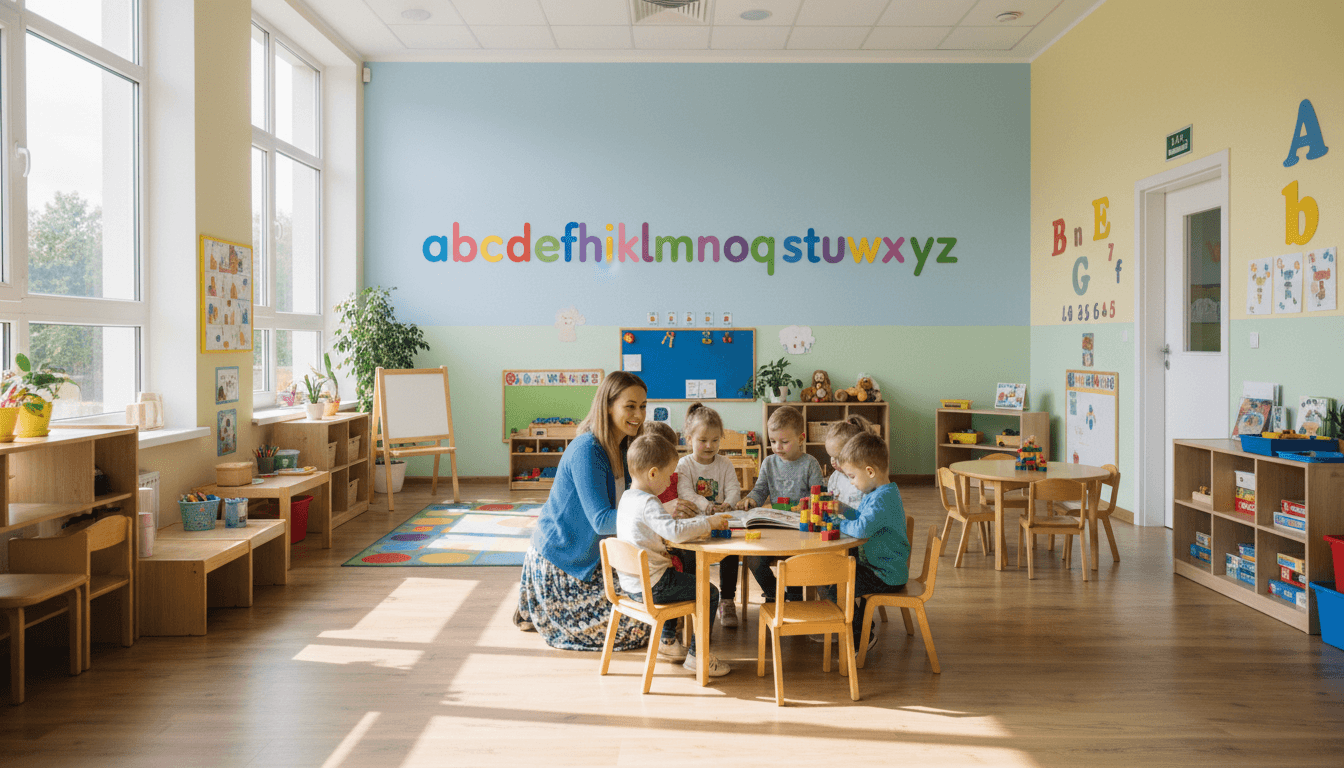
After-School Program Updates in Your Classroom Newsletter
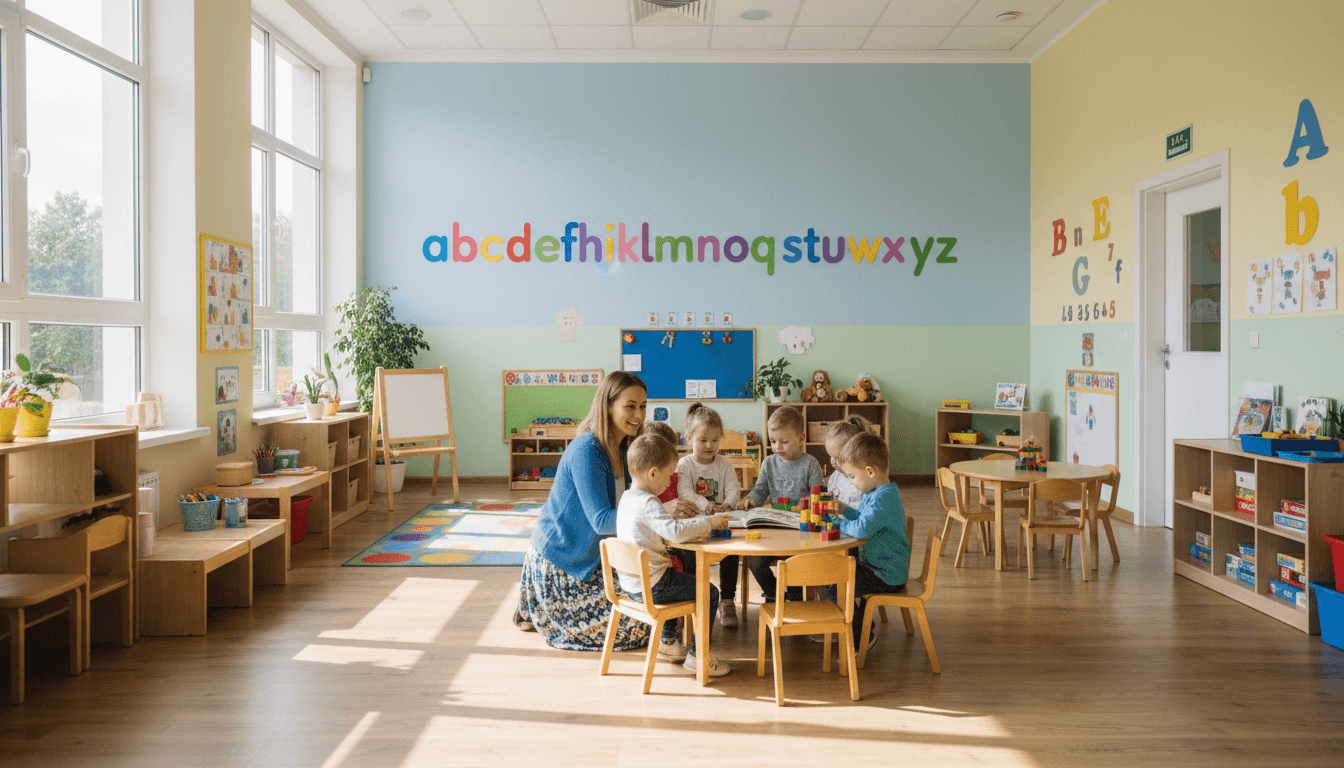
After-school programs, tutoring sessions, and extracurricular activities all compete for students' time and energy. When you communicate about what is available and what connects to your classroom, parents can make better decisions about how their student uses the time after school. Your newsletter is not the place for every after-school detail, but there are specific things worth including.
When to mention after-school programming in your newsletter
Include after-school information in your newsletter when it directly connects to what you are teaching or when you offer it yourself. Teacher-led help sessions, academic support tied to upcoming tests, or school-run programs that extend your curriculum are all worth a mention. Generic after-school childcare and unrelated extracurriculars belong in school-wide communications, not your classroom newsletter.
Your own availability for help sessions
If you offer after-school help, state it clearly and consistently in your newsletter. Day, time, location, what to bring, whether students need to sign up in advance. Making this information easy to find increases the number of students who use the resource. A help session that parents know about is more likely to be used than one mentioned verbally once and never repeated.
Connecting after-school programs to curriculum
If your school runs an after-school program that aligns with current class content, a brief mention is worth including. "The school's after-school STEM club is doing a project this month that connects to our science unit. If your student is interested, sign-up information is at the front office." One sentence is enough.
Managing homework expectations for busy students
Students who participate in multiple after-school activities have compressed homework time. Your newsletter can address this practically. Giving assignment timelines with enough lead time for families to plan, noting when major projects are announced so families can schedule accordingly, and being clear about your expectations for weekly homework versus project work all help families manage their student's schedule better.
What not to include
Do not use your newsletter to editorialize about after-school activities competing with homework. Parents make their own choices about their family's schedule and they do not benefit from a newsletter that implies those choices are wrong. Your job is to communicate your classroom expectations clearly. Their job is to manage their student's time based on that information.
Get one newsletter idea every week.
Free. For teachers. No spam.
Frequently asked questions
Should classroom teachers include after-school program information in their newsletters?
If the after-school program is run by your school or connects directly to your classroom curriculum, a brief mention is appropriate. If it is a separate school-run program, defer to the program's own communications. You do not need to be the clearinghouse for all after-school logistics in your newsletter.
What after-school information is most useful for parents in a classroom newsletter?
Anything that directly affects your class: tutoring availability you offer, academic support sessions, or after-school events tied to classroom projects. If you know about school-run programs that connect to what you are teaching, one mention is useful. Routine after-school logistics belong in the school office's communications.
How do I communicate when after-school homework help connects to current class content?
A brief note like 'if your student is working on the current math unit and needs extra practice, I offer a short help session on Tuesdays from 3 to 3:30' gives parents actionable information. Be specific about when, how to sign up, and what students should bring.
What if after-school activities are taking time away from homework completion?
Address this in your newsletter by being clear about your homework timeline and expectations. You can acknowledge that students have busy schedules without moralizing about after-school activities. Give parents enough lead time on major assignments so families can plan around their student's schedule.
Can Daystage help me send targeted updates about after-school sessions?
Yes. Daystage lets you send newsletters to your full parent contact list, so an update about tutoring availability or an after-school event reaches every family at once without you needing to manage an email list separately.

Adi Ackerman
Author
Adi Ackerman is a former classroom teacher and curriculum writer with 8 years in K-8 schools. She writes about school communication, parent engagement, and what actually works in real classrooms.
More for Classroom Teachers
Ready to send your first newsletter?
3 newsletters free. No credit card. First one ready in under 5 minutes.
Get started free