
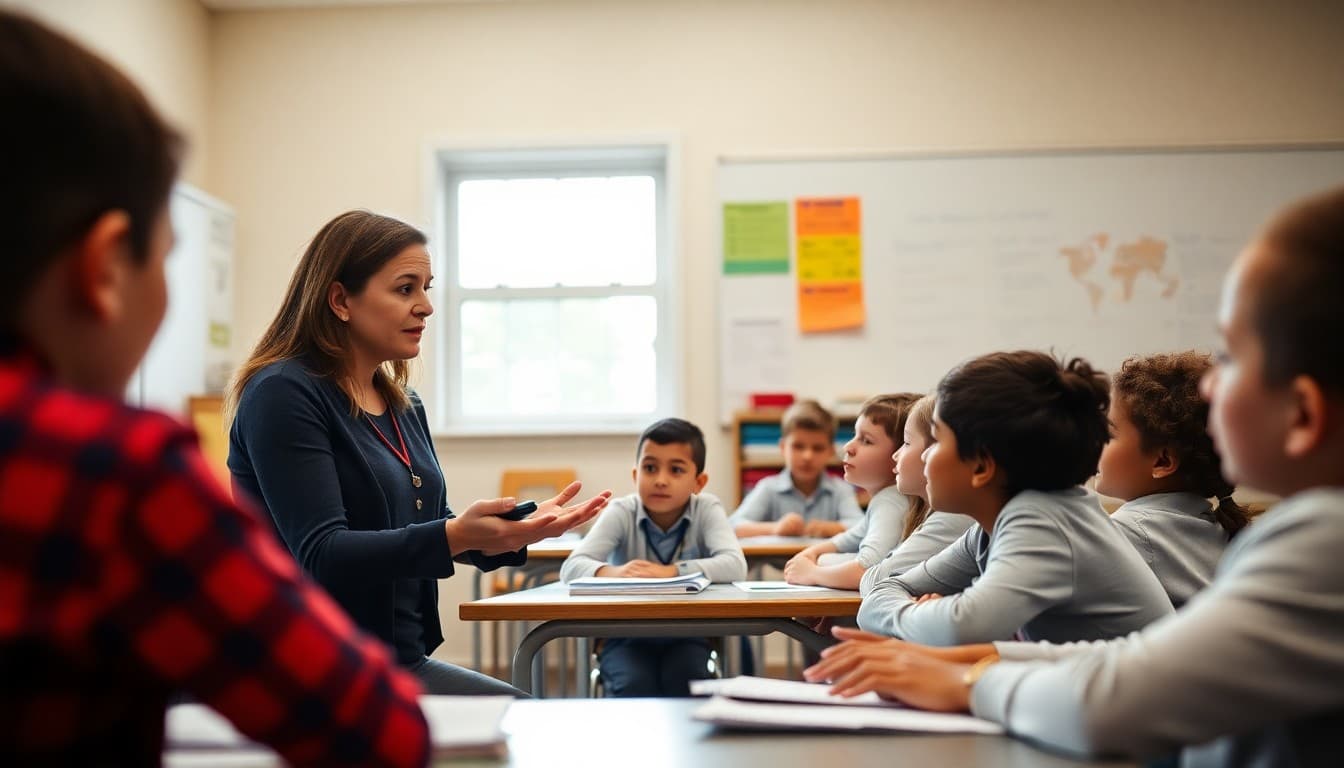
Classroom Procedures Newsletter: How Our Room Works
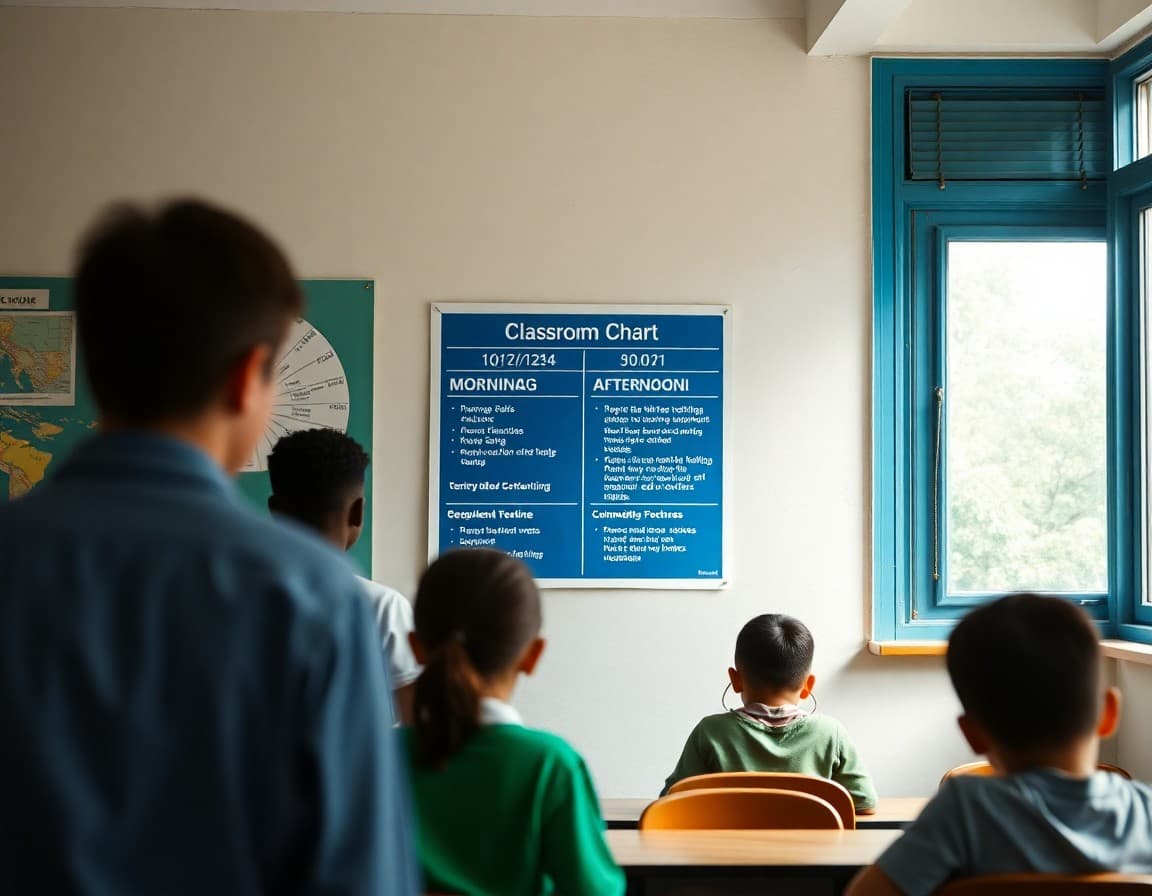
The first week of school is smoother when families already know how your classroom works. A procedures newsletter sent before school starts means students arrive knowing what to do with their backpack, where to find their seat assignment, and what the morning routine looks like. That shared knowledge cuts down on confusion and gives you more time to teach from day one.
Why Procedures Matter More Than Rules
Rules tell students what not to do. Procedures tell them what to do. The difference is significant. A student who knows the rule "be respectful" still has to figure out what that looks like during morning work. A student who knows the procedure "unpack your bag, turn in homework to the tray, begin morning work by 8:10" knows exactly what to do. Families who receive a clear procedures newsletter can prep their child before school starts.
Morning Arrival Procedures
Start here because this is where the day either flows or falls apart. Tell families: what time students should arrive, where to enter, what to do immediately upon entering the classroom, where backpacks go, and how morning work gets started. A single paragraph covering these five points eliminates the most common morning confusion. If there is a late arrival procedure, include that too.
Homework Submission and Tracking
Be specific about how homework gets turned in: a physical tray, a folder check system, a digital submission platform. Tell families what happens to late work and how students can tell if their submission was received. If you use a homework planner or agenda, describe how it works and what your expectation is for parent signatures or checks.
Absences and Make-Up Work
The make-up work procedure is one parents ask about constantly. Give them the answer before they ask: "When your child is absent, they have [X] school days to make up work. Work will be available in the make-up folder by the classroom door. For extended absences of three or more days, please email me and I will coordinate." That paragraph answers 90% of absence questions before they come in.
Dismissal Procedures
Tell families specifically how dismissal works: car rider line, bus numbers, walking procedures, what happens if a child is not picked up on time. For grades where this changes throughout the year (afterschool activities, different days with different parent), explain how changes should be communicated. A note sent with a student or an email to you that morning? Be specific.
Bathroom and Hallway Expectations
Students do not need to know these from the newsletter, but families benefit from a brief mention: "We follow school hall procedures and students use a classroom pass for bathroom breaks during independent work time." That context helps families when their child reports a situation involving hallway or bathroom procedures. It is a two-sentence inclusion worth making.
What Happens When a Procedure Is Not Followed
End the procedures section with a brief note on your response approach: "If a student has difficulty following a procedure, I will first reteach it directly. Repeated challenges will result in a brief conversation and, if necessary, a family contact." Families who understand your escalation approach trust you more and cooperate better when you do need to reach out.
Get one newsletter idea every week.
Free. For teachers. No spam.
Frequently asked questions
What classroom procedures should I cover in a back-to-school newsletter?
Cover the procedures that families need to know to support routines at home: morning arrival expectations, where students put their belongings, homework submission, bathroom and hallway procedures, dismissal routines, and what to do when a student is absent. Focus on what affects families directly rather than every internal classroom rule.
How detailed should a classroom procedures newsletter be?
Aim for two to three sentences per procedure, not a paragraph. Families need to understand the procedure well enough to prepare their child, not implement it themselves. For anything that requires more explanation, note that you covered it with students directly in class.
When is the best time to send a classroom procedures newsletter?
Send it before or during the first week of school, ideally before the first full school day. Families who receive it over the weekend before school starts can prepare their child on Sunday evening. A day-one send still works, but pre-school delivery gives you a head start on smooth routines.
Should I include discipline procedures in the classroom procedures newsletter?
Yes, briefly. Tell families what happens when a classroom rule is broken: what the first response is, when you contact a parent, and what the escalation looks like. Families who know your approach feel less blindsided if you contact them about behavior, and students who know families have been informed tend to take procedures more seriously.
Can I use Daystage to send my classroom procedures newsletter before school starts?
Yes. Daystage lets you schedule newsletters in advance. You can write the procedures newsletter in August and schedule it to go out the Friday before school starts, so it arrives in families' inboxes at exactly the right moment without any last-minute scrambling.

Adi Ackerman
Author
Adi Ackerman is a former classroom teacher and curriculum writer with 8 years in K-8 schools. She writes about school communication, parent engagement, and what actually works in real classrooms.
More for Classroom Teachers
Ready to send your first newsletter?
3 newsletters free. No credit card. First one ready in under 5 minutes.
Get started free