

California Literacy Newsletter: Local Resources and Reading Guide
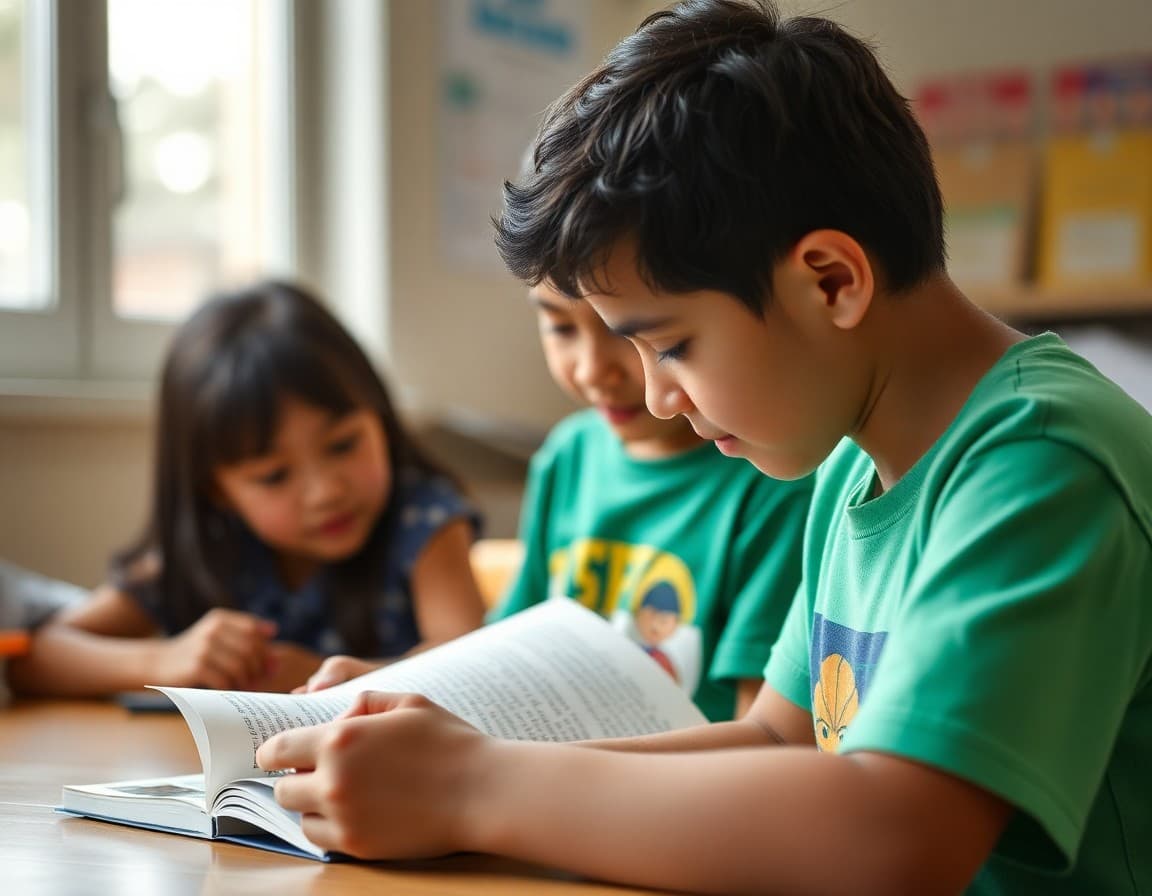
California classrooms are some of the most diverse in the country. A literacy newsletter that only works for English-speaking families is missing half the room. The strongest California literacy newsletters reach every family in the class, connect to state standards in plain language, and point families toward the remarkable range of public resources available across the state.
California ELA Standards in Plain Language
California's English Language Arts standards set specific expectations at every grade level. For K through 2, the emphasis is on phonics and foundational reading skills. For grades 3 through 5, the focus shifts to comprehension, text evidence, and academic vocabulary. For middle school, standards add complexity in argument, analysis, and research. In your newsletter, pick the one standard your class is most focused on this month and describe it in terms of what students actually do. "We are learning to support our opinions with specific evidence from the text. Ask your child to tell you not just what they think but why."
Supporting Multilingual Families
California has the largest population of English Language Learners in the country. Many families speak Spanish, Mandarin, Vietnamese, Tagalog, Arabic, or Somali as their primary home language. Including even one paragraph translated into Spanish, or noting which resources are available in multiple languages, shows families that your classroom welcomes their home culture as part of literacy development. Reading in any language builds the comprehension skills that transfer to English reading.
California State Library Digital Resources
Every California resident has access to the California State Library digital lending program. Libby and the Overdrive platform provide free eBooks and audiobooks in dozens of languages. For families without access to a nearby branch or without transportation, this digital access is a significant resource. Include the setup instructions or a direct link in your newsletter at least once per semester.
California-Specific Reading Recommendations
California literature and authors offer rich options for connecting reading to the world students know. Books about the California coast, the Central Valley agricultural experience, Silicon Valley, Los Angeles communities, and California history give local students a sense of recognition. Authors like Nicola Yoon, Gene Luen Yang, and Matt de la Pena are California-connected and beloved by young readers.
A Template for Your California Literacy Newsletter
Reading focus this month: [skill or strategy in plain English]
California standard connection: [one sentence translating the relevant standard]
For multilingual families: [note about home language reading or a translated tip]
California resource: [one state library or local program families can access]
Home practice: [one specific reading activity this week]
Reading and the California Assessment System
California uses the SBAC assessment (Smarter Balanced) in grades 3 through 8. That test includes both reading comprehension and writing components. In your newsletter, connect daily reading habits to the longer-term assessment picture. "Students who read regularly show stronger performance on the SBAC reading section. The habits we build now pay off in the spring assessment." Families who understand the connection between daily reading and formal assessment are more likely to stay engaged through the year.
Summer Reading in California
California's public libraries run one of the largest summer reading programs in the country through the California State Library. Before school ends, your newsletter should mention the program by name, include how to sign up, and recommend two or three books from your classroom library or grade-level list. Students who read over summer arrive in fall significantly ahead of those who do not, and the California library system makes it free and accessible.
Keeping Families Engaged All Year
California literacy communication is most effective when it is consistent, clear, and personally relevant. A monthly literacy newsletter that acknowledges the realities of California families, diverse languages, varying access to resources, high-stakes assessments, and long summers, is more useful than a generic template. Every newsletter should tell families one thing their child is working on, one thing they can do about it, and one resource they can use right now.
Get one newsletter idea every week.
Free. For teachers. No spam.
Frequently asked questions
What ELA standards apply to California literacy instruction?
California uses its own Common Core-based ELA standards, with modifications adopted by the California State Board of Education. These set grade-level expectations for reading foundational skills, literature, informational text, writing, and language. Your newsletter should translate whichever standard you are addressing into a plain-language description families can understand and act on.
How do I communicate with the diverse language backgrounds in California classrooms?
California has one of the most linguistically diverse student populations in the country. Many families speak Spanish, Vietnamese, Tagalog, Mandarin, or other home languages. Sending key literacy tips in both English and Spanish, or noting which digital library resources are available in multiple languages, significantly increases the reach of your newsletter.
What is California's AB 2222 literacy law and how does it affect parents?
California law requires that students identified as far below grade level in reading receive intervention and that families are notified. If any students in your class are receiving reading intervention, a brief explanation in your newsletter of what intervention looks like and how families can support it at home helps those families feel informed rather than alarmed.
What free literacy resources are available in California?
California State Library provides digital lending through Libby for all California residents. Many California public libraries also offer bilingual story times and family literacy programs. LA County Library, SFPL, and other major systems have extensive online collections. The California Reading Coalition and EdTrustWest publish research-based family reading guides.
How can Daystage help California teachers reach diverse school communities?
Daystage makes it easy to create structured, professional newsletters with clear sections and photo blocks. For California teachers serving linguistically diverse communities, having a polished template reduces the time it takes to send consistent literacy communication while maintaining the quality families expect.

Adi Ackerman
Author
Adi Ackerman is a former classroom teacher and curriculum writer with 8 years in K-8 schools. She writes about school communication, parent engagement, and what actually works in real classrooms.
More for Classroom Teachers
Ready to send your first newsletter?
3 newsletters free. No credit card. First one ready in under 5 minutes.
Get started free