
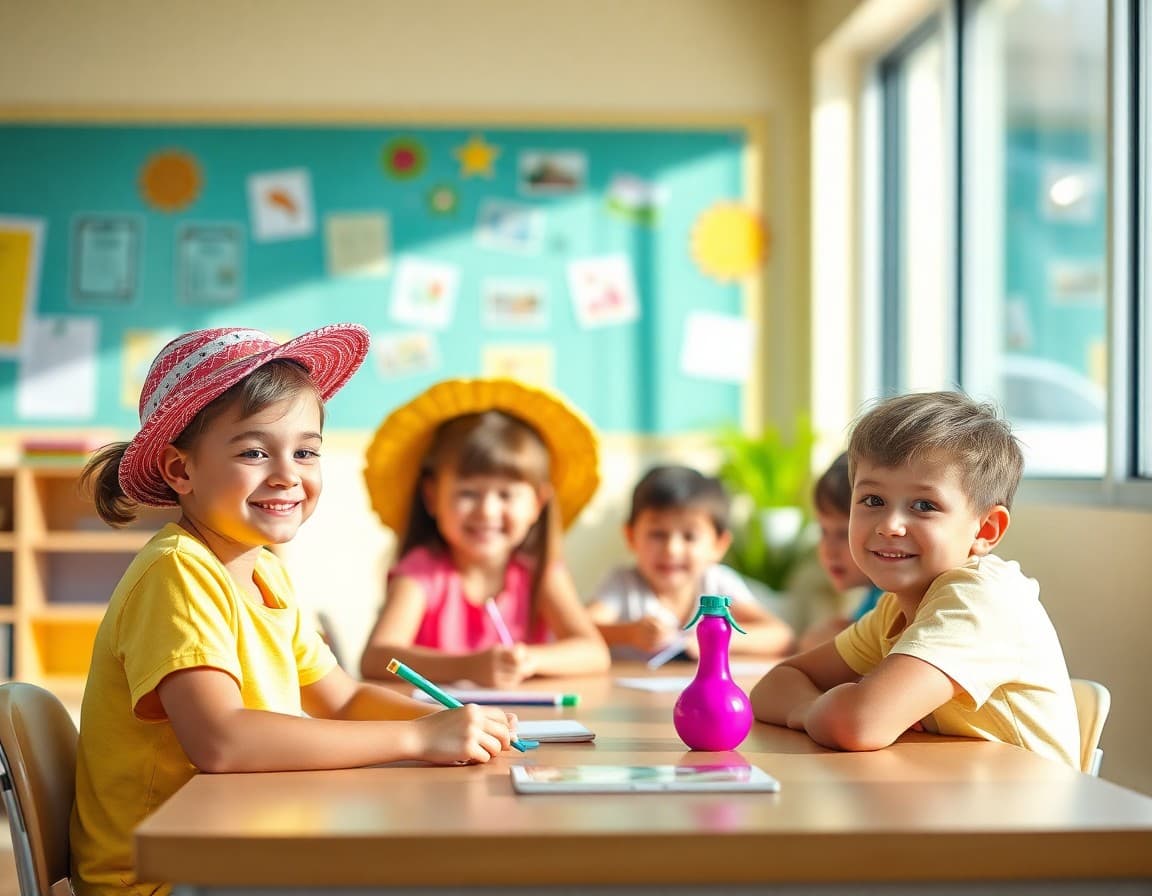
Beach Themed Classroom Newsletter: End of Year Fun
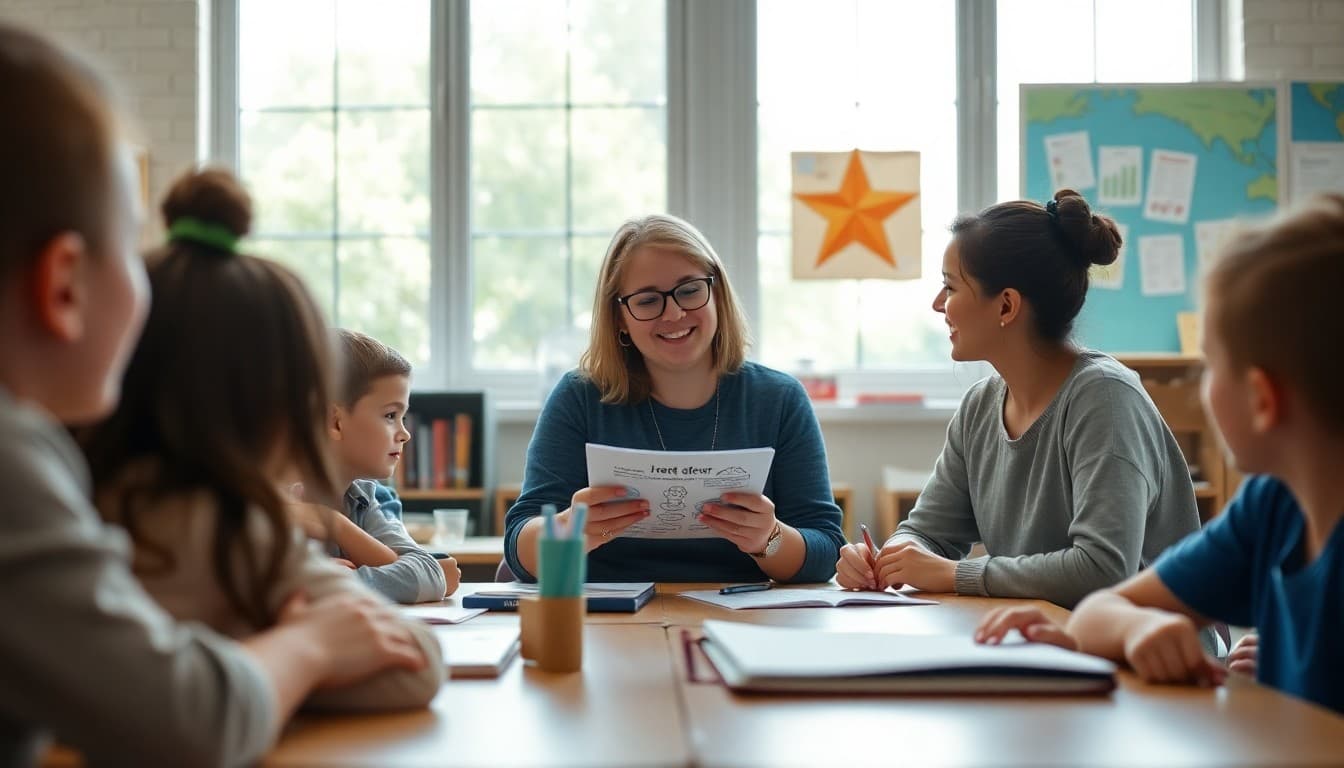
The last few weeks of school deserve a newsletter that matches the energy in the room. A beach themed end of year newsletter closes the year on a celebratory note, gives families something memorable, and creates a positive final impression of the classroom experience.
Why End-of-Year Newsletters Matter
The last newsletter of the year is one that families actually save. It often has photos from the school year, highlights of what students accomplished, and a personal note from the teacher. Done well, it becomes a small keepsake from the year. Done poorly, it feels like another announcement to delete. The beach theme creates an immediate visual signal that this newsletter is different from a regular weekly update.
Setting the Beach Theme Tone
The theme works best as a light overlay, not a heavy-handed concept. Use ocean-related section headings: "Smooth Sailing Through the Year," "All-Star Readers," "Highlights from the Deep Dive Into Science." A hero image with a beach or ocean visual sets the tone immediately. Avoid going overboard with beach puns in every line. One or two well-placed nautical metaphors is enough to carry the theme without making the newsletter feel like a party supply catalog.
Template Excerpt: End of Year Beach Newsletter
Subject: Smooth sailing to summer - our end of year letter from Room 14
What a Year It's Been
This year Room 14 read 847 books combined. We solved 12,000 math problems (roughly estimated by multiplying daily practice sheets times 180 school days). We grew seven plants from seed in February and three of them are still alive. We did not succeed at keeping the class hamster from escaping twice.
Most importantly: every single child in this class grew as a reader, a thinker, and a human being. I watched it happen and I will not forget this class.
Summer Reading Recommendations: Ask your child's school librarian for their specific grade-level list. My personal picks for incoming fourth graders: "Island of the Blue Dolphins" by Scott O'Dell, "From the Mixed-Up Files of Mrs. Basil E. Frankweiler" by E.L. Konigsburg, or anything by Kate DiCamillo.
Year Highlights That Families Love
Include three to five concrete highlights from the school year that parents can share with grandparents or relatives. Not vague statements like "we had a wonderful year of learning" but specific moments: the science fair project that won third grade champion, the class book that 19 out of 22 students rated as their favorite, the math competition where two students placed in the top 10 percent of the region. Real numbers and real events make the highlights feel earned rather than formulaic.
Summer Activity Suggestions
A section of summer recommendations should be short and specific, not a generic list of things parents already know. Instead of "encourage your child to read this summer," try: "Your child is ready for chapter books with longer plot arcs. Ask the public library for their summer reading program list - the county library has a free program that runs from June 15 to August 15." Instead of "practice math," try: "We've been working on multiplication through 12. A five-minute daily practice during a car ride or before bed will keep that skill sharp for fall."
The Personal Teacher Note
Every end of year newsletter should include a few personal lines from the teacher. Not a formal statement, but something genuine. What you'll remember about this class. Something specific a student did that surprised you. A moment from the year that you'll carry with you. Families read these notes carefully and children remember being seen in them. Three or four personal sentences in an honest voice are worth more than three paragraphs of professional summation.
Logistics for the Last Week
Even a celebratory newsletter needs to cover the last-week logistics: the exact time and day of the final dismissal, any special events, what students should bring or not bring, how to return library books or rented instruments, and when report cards will be distributed or mailed. Put these in a clearly labeled section so families can find them quickly. Logistics mixed into the celebratory narrative are easy to miss.
Get one newsletter idea every week.
Free. For teachers. No spam.
Frequently asked questions
When should I send a beach themed end of year newsletter?
The last week of school or the week before is the ideal window. Families are in end-of-year mode, children are excited about summer, and a newsletter that matches that energy gets a better response than one that tries to maintain the academic tone of January. Send it on a Thursday or Friday so families have the weekend to read it.
What should a beach themed end of year newsletter include?
Highlights from the school year, specific student achievements worth celebrating, summer reading or activity recommendations, information about any end-of-year events, a personal note of thanks from the teacher, and a warm goodbye. The beach theme is a framing device, not the entire content. Use it for visuals and fun headings but keep the substance focused on the school year and the transition to summer.
How do I make the beach theme feel authentic rather than forced?
Use nautical or ocean metaphors that actually connect to the school year content. 'We've sailed through an amazing year of reading' works. 'Catch the wave to summer learning' is a stretch. Photos of beach-themed classroom projects or decorations make the theme visual and real. If your class actually did ocean science or a water unit, lean into that connection.
Should an end of year newsletter include information about the next year?
Only briefly. Families in June aren't ready to think about September. A single line like 'Watch for back-to-school information from Jefferson Elementary in late August' is enough. Extensive next-year logistics in an end-of-year newsletter feel like they're rushing families out of the current year before they've had a chance to celebrate it.
Can Daystage newsletters have beach-themed designs?
Yes. Daystage lets you customize newsletter backgrounds, upload themed header images, and add photo galleries. A beach photo header with your classroom colors creates a festive end-of-year look without requiring graphic design skills. The newsletter stays organized and readable even with decorative design elements.

Adi Ackerman
Author
Adi Ackerman is a former classroom teacher and curriculum writer with 8 years in K-8 schools. She writes about school communication, parent engagement, and what actually works in real classrooms.
More for Classroom Teachers
Ready to send your first newsletter?
3 newsletters free. No credit card. First one ready in under 5 minutes.
Get started free