
Arizona Literacy Newsletter: Local Resources and Reading Guide
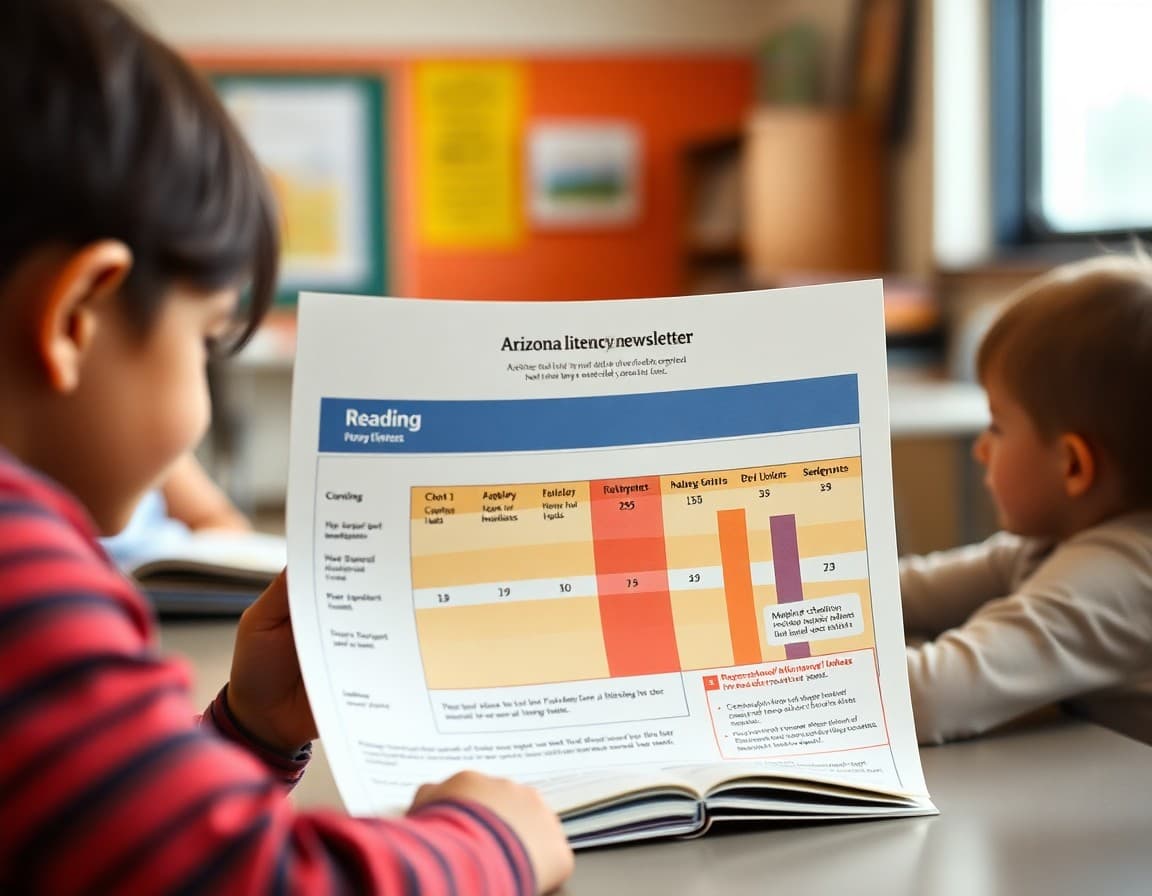
Arizona families receive information about reading from multiple directions, from school report cards to state test results. A clear literacy newsletter from the classroom teacher cuts through the noise and tells families exactly what is happening in their child's room, what the standards mean, and what they can do at home. That direct communication is what moves the needle.
Arizona's Reading Standards in Plain Language
Arizona Academic Standards for English Language Arts set clear expectations at every grade level. For early readers, those expectations center on phonics, fluency, and foundational skills. For upper elementary students, standards focus on comprehension strategies, text evidence, and vocabulary. Your newsletter should translate whichever standard you are focusing on into a single sentence families can understand. "This month we are learning to identify the author's purpose when we read nonfiction. Ask your child whether a book is trying to inform, persuade, or entertain."
Arizona's Reading Retention Policy
Arizona requires third-grade students to demonstrate reading proficiency before advancing. That policy has real stakes for families of K through 3 students. Use your literacy newsletter to explain, early in the year, what the assessment schedule looks like, what benchmark your grade is working toward, and what intervention support is available for students who are not yet at grade level. Families who understand the system can advocate for their child and support learning at home.
Bilingual and Multilingual Families
Arizona's classroom demographics include many families whose primary language is Spanish. Research is clear that reading in any language supports literacy development. Encourage Spanish-speaking families to read with their children in Spanish if that is more comfortable. Strong oral language skills in any language transfer to academic reading. "Reading together in Spanish counts. The comprehension skills your child builds at home support everything we do in English instruction."
Arizona Public Library Access
Most Arizona cities have strong public library systems. Phoenix, Tucson, Mesa, Chandler, and Scottsdale all offer extensive children's sections and digital lending programs. Maricopa County Library District is one of the largest in the country. In your newsletter, mention the digital library option for families who cannot easily visit a branch. A free library card with access to thousands of eBooks removes the cost barrier to reading at home.
A Template for Your Arizona Literacy Newsletter
Reading focus this month: [skill or strategy the class is practicing]
Arizona standard connection: [plain-language version of the relevant standard]
Class progress update: [brief aggregate description, no individual data]
Arizona resource: [one local library, program, or digital tool families can access]
Home practice this week: [one specific reading activity with a clear time commitment]
Summer Reading in the Desert
Arizona summers are hot, which means families are often indoors during midday hours. That is actually a natural reading window. Before school ends, publish a summer reading list and mention the Arizona summer reading programs through public libraries. Families who know about the summer program are far more likely to use it. A teacher recommendation makes a library program feel like part of the school year rather than an extra.
Highlighting Arizona Authors and Books
Arizona has produced a number of excellent children's book authors and titles set in the Southwest. Including regionally relevant books in your reading recommendations connects literacy to the world students already know. Books featuring desert ecosystems, Native Southwest cultures, and Arizona history resonate with students who see their own environment reflected on the page.
Keeping the Newsletter Simple and Consistent
The most useful literacy newsletters are the ones that arrive reliably, look consistent, and make one clear ask per send. Arizona families are busy. A newsletter that asks them to do three things this week will result in none of them getting done. One clear home reading activity, one resource link, and one piece of classroom news is enough to keep families engaged and informed.
Get one newsletter idea every week.
Free. For teachers. No spam.
Frequently asked questions
What literacy standards apply to Arizona classrooms?
Arizona uses its own Academic Standards for English Language Arts, which set grade-level expectations for reading, writing, and language. Teachers should reference these standards in parent communication using plain language rather than code numbers. Telling families 'we are working on finding the main idea in informational text this month' is more useful than citing standard RI.3.2.
What is Arizona's reading retention law and how do I explain it to parents?
Arizona requires that third-grade students who are not reading at grade level may be retained. This is a significant policy that families need to understand early. Your literacy newsletter is the right place to explain how reading is assessed, what the benchmarks are, and what support is available for students who are behind.
What free reading resources are available in Arizona?
The Arizona State Library, Archives and Public Records offers digital resources through Libby and other platforms. Many Arizona school districts also participate in Reach Out and Read. Zona Rosa books and similar Arizona-based publishers offer bilingual titles useful for the state's large Spanish-speaking student population.
How do I support Spanish-speaking families in my Arizona literacy newsletter?
Arizona has a significant number of families whose home language is Spanish. Including a brief Spanish translation of key literacy tips or sending a bilingual version of your newsletter shows respect for those families and increases the impact of your communication. Even one translated paragraph is better than none.
Does Daystage support multilingual newsletter formats for Arizona teachers?
Yes. Daystage allows you to format newsletters with mixed language content and structured sections. You can include English and Spanish side by side in a clean layout that Arizona families with multilingual needs can access easily.

Adi Ackerman
Author
Adi Ackerman is a former classroom teacher and curriculum writer with 8 years in K-8 schools. She writes about school communication, parent engagement, and what actually works in real classrooms.
More for Classroom Teachers
Ready to send your first newsletter?
3 newsletters free. No credit card. First one ready in under 5 minutes.
Get started free