
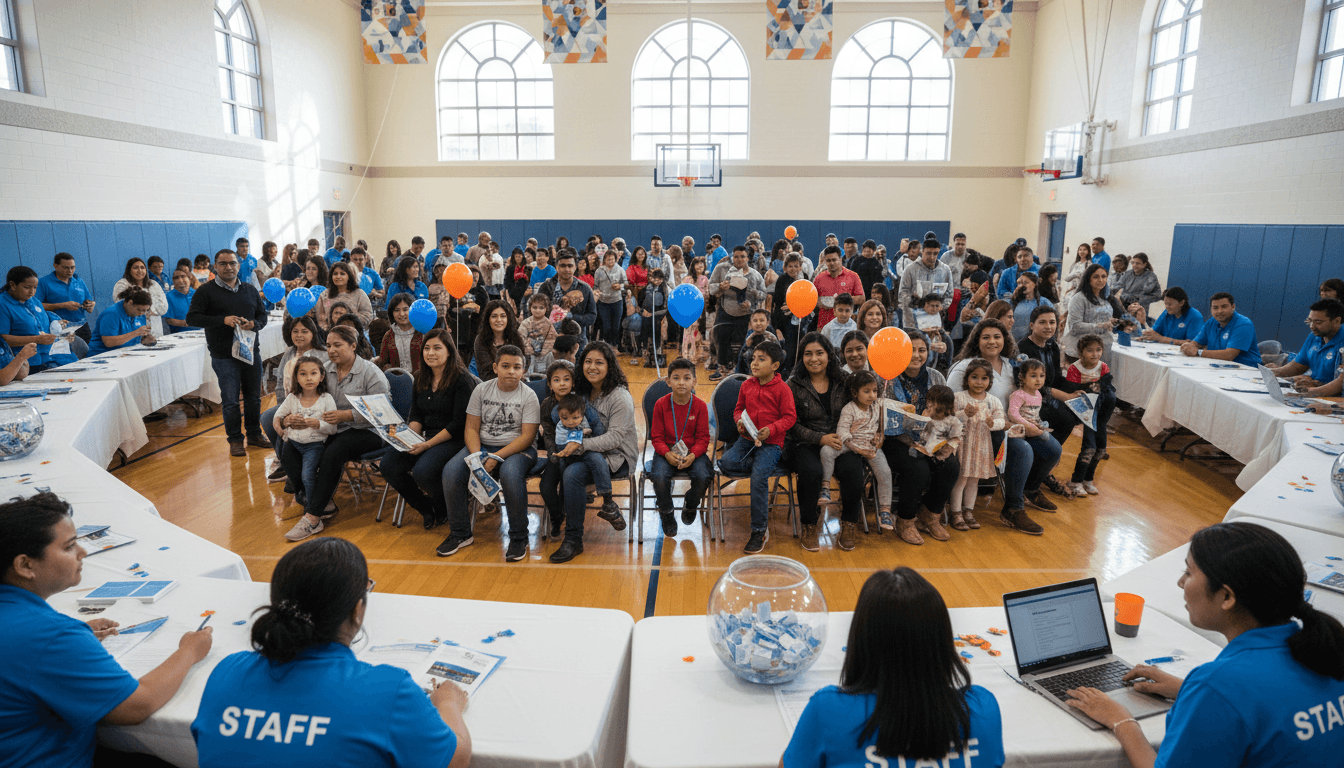
Private School Middle School Newsletter: Navigating the Transition Years With Families
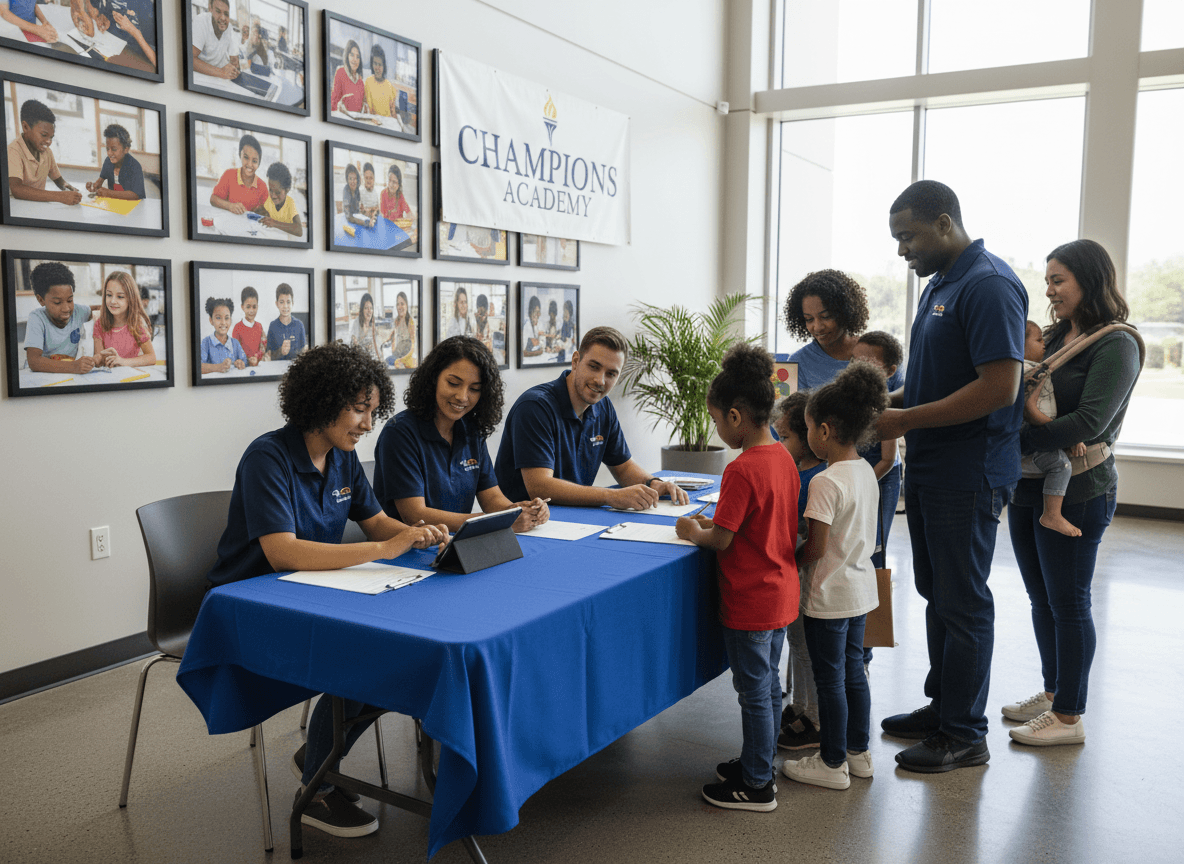
Middle school families often describe the years between fifth and eighth grade as the most confusing of their parenting experience. Their child is changing in ways that seem fast and unpredictable. The school's role is to help families understand this stage and remain effective partners in their student's development even as that student is actively working to separate from them.
The Middle School Developmental Moment
Middle school students are building identity, testing boundaries, and developing the executive function skills they will need for high school and beyond. They are wired to seek peer relationships, take risks, and pull away from parental authority. This is not a problem to be solved. It is a developmental stage to be supported.
Families who expect their seventh grader to behave like their fourth grader will be consistently frustrated. Families who understand that the changes they observe are developmentally appropriate can respond with curiosity rather than alarm.
Academic Program and Current Learning Focus
Describe the current academic focus across middle school subjects. Unlike lower school, where families stay closely connected to classroom content, middle school parents often receive little detail about what their student is learning. Closing this gap, even briefly, gives families a foothold for connection.
If the school uses project-based learning, Socratic discussion, or other approaches that look different from traditional instruction, describe them briefly. Families who understand the pedagogical approach trust it more and are less alarmed when it differs from their own school experience.
The Advisory Program
Describe how advisory works. How many students are in each advisory group? How often does the group meet? What does the advisor know about each student? How should families contact the advisor? In private school middle programs, the advisor is often the most important school contact for families because they see the student daily and have a full picture of their academic and social experience.
Staying Connected Without Hovering
Give families practical guidance on appropriate engagement during middle school. This is the stage where families who are too tightly involved undermine the autonomy development that the school is trying to support. At the same time, families who disengage entirely miss real signals that something is wrong.
The right balance looks like: regular check-ins that are curious rather than supervisory, knowing the advisor and trusting the relationship, attending community events, and reaching out to the school when something seems consistently wrong rather than reacting to every bad day.
Upcoming Events and Important Dates
List middle school events with dates, times, and what families should know. Grade-level trips, curriculum presentations, family athletic events, and advisor check-in evenings are all appropriate for this section. Middle school events often have lower family attendance than lower school events because parents receive less prompting. The newsletter that prompts early drives meaningful attendance.
Get one newsletter idea every week.
Free. For teachers. No spam.
Frequently asked questions
What should a private school middle school newsletter address?
The academic program and current learning focus, how the advisory program supports students, what healthy middle school development looks like and what families should expect, how families can stay supportively connected without undermining their student's developing autonomy, and upcoming events and deadlines.
Why is the middle school developmental stage particularly important to communicate about?
Middle school students are undergoing more cognitive, social, emotional, and physical change in a shorter time than at any other developmental stage. Families who understand this are better equipped to respond to the behavioral and emotional shifts they observe at home. A school that provides developmental context in its newsletter is a more useful partner than one that only sends academic updates.
How do private schools use advisory programs in middle school?
Advisory programs assign each student to a small group led by a faculty advisor who serves as the student's primary adult connection at school, monitors their overall wellbeing, communicates with families, and advocates for the student across the full school program. The newsletter should explain how advisory works so families know who to contact and what the advisor's role is.
How can middle school families stay connected without over-managing their student?
Check in with curiosity rather than interrogation. Know who their child's friends are. Attend school events. Read teacher updates but let the student manage their own organization and assignments. Contact the advisor when there is a concern rather than emailing every teacher. The newsletter can give families this framework explicitly.
How does Daystage help private schools communicate with middle school families?
Middle school directors and division advisors use Daystage to send developmental guidance newsletters, program updates, and event communications. The consistent format ensures all middle school families receive the same information rather than hearing different versions from different grade teams.

Adi Ackerman
Author
Adi Ackerman is a former classroom teacher and curriculum writer with 8 years in K-8 schools. She writes about school communication, parent engagement, and what actually works in real classrooms.
More for Private & Charter
Charter School STEM Newsletter: Communicating Science, Technology, Engineering, and Math Programs to Families
Private & Charter · 5 min read
Private School Accreditation Newsletter: Communicating the Evaluation Process to Families
Private & Charter · 7 min read
Private School Open House Newsletter: Promoting Your Campus Visit to Prospective Families
Private & Charter · 5 min read
Ready to send your first newsletter?
3 newsletters free. No credit card. First one ready in under 5 minutes.
Get started free