
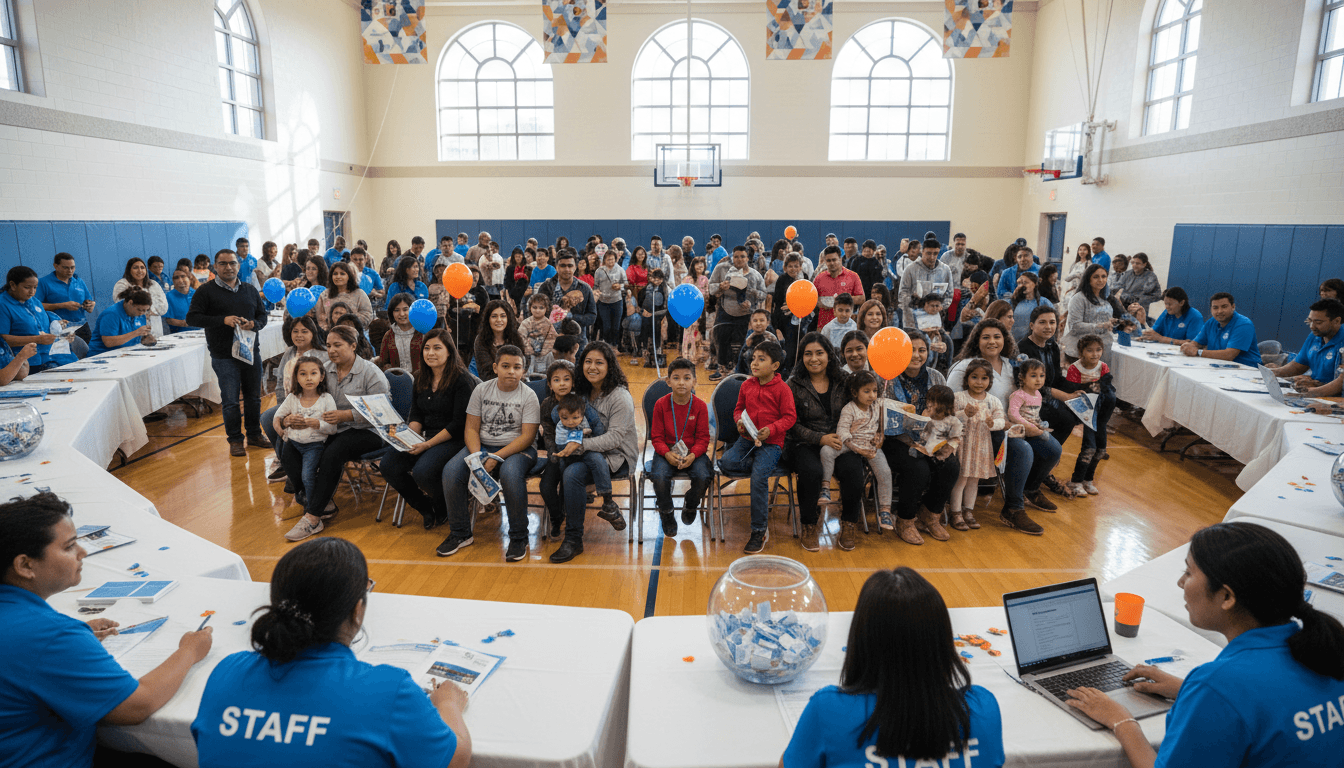
Private School Open House Newsletter: Promoting Your Campus Visit to Prospective Families
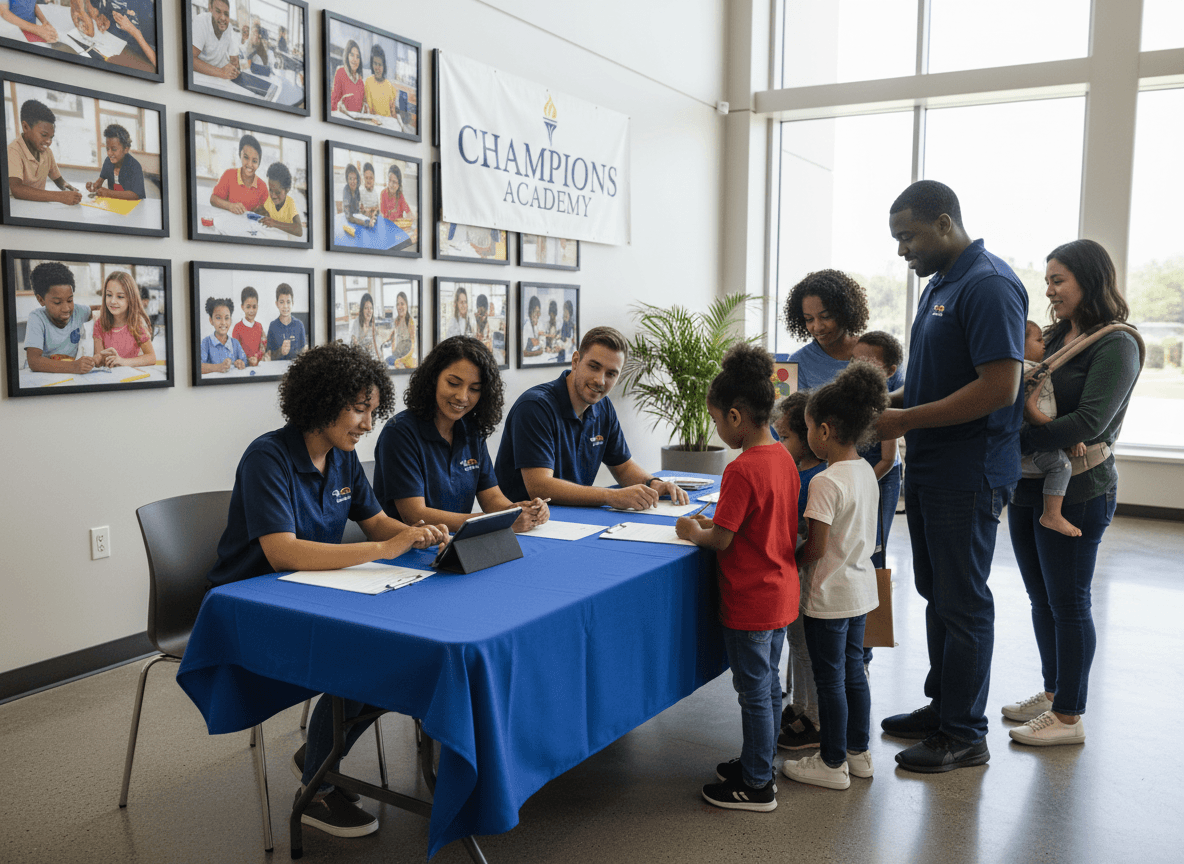
The private school open house is often the moment when a prospective family moves from "interested" to "sold." But that conversion only happens when families actually attend, and attendance is directly influenced by the quality of the open house invitation communication. A well-written open house newsletter does more than announce an event. It makes families feel that the event will specifically answer their questions and that the school is prepared to show them something worth their time.
This guide covers how to write open house invitation newsletters that fill events, prepare families for meaningful visits, and convert attendees into applicants.
What prospective families are actually asking before an open house
Before a prospective family decides to attend an open house, they are answering four implicit questions: Will this event tell me what I actually need to know to decide? Will I be comfortable there or will I feel like an outsider? Do I have to bring my child? Is it worth rearranging my schedule for?
An open house invitation that addresses each of these questions directly produces higher RSVP rates than one that provides only logistics. "Faculty will be available for small-group conversations, students will lead classroom tours, and our admissions director will specifically address common transition concerns for families considering grade 6 entry" answers all four questions in two sentences.
Making the event description specific
The difference between a well-attended open house and an under-attended one is often the invitation. Specific descriptions produce better attendance. "Our fall open house will include classroom tours led by current students, small-group conversations with faculty from each division, a financial aid information session with our admissions director, and light refreshments in the courtyard after the tour" gives families a complete picture of the evening.
"Join us to learn more about our school" does not.
The one-week reminder: the communication that fills the event
Many families who intended to attend an open house do not RSVP until the week before the event. A brief, direct reminder that arrives one week before the open house consistently produces the final surge of registrations that turns a moderately attended event into a well-attended one.
The reminder should be shorter than the initial invitation. A paragraph that says the event is one week away, reiterates the one or two most compelling elements, and links directly to the RSVP form is sufficient.
Using the current family newsletter to generate referrals
Current families are the most credible open house promoters a private school has. A sentence in the regular family newsletter asking families to share the open house date with friends who might be interested produces registrations from families who would not have seen the school's direct outreach.
The post-open house follow-up
A follow-up email within 48 hours of the event, addressed to attendees, thanks them for coming, summarizes the key information covered, and gives them clear next steps if they are interested in applying. Families who attend an open house and then receive a thoughtful follow-up within two days are significantly more likely to submit an application than those who receive nothing until a reminder about the application deadline.
Get one newsletter idea every week.
Free. For teachers. No spam.
Frequently asked questions
How far in advance should private schools send open house invitations?
Four to six weeks before the event is the right window. Early enough for families to plan childcare, request time off work, or arrange transportation, but not so early that the event feels distant when they receive the invitation. Schools that send open house invitations two to three weeks before the event see lower RSVP rates because families cannot rearrange their schedules on short notice. A reminder one week before the event is also valuable and consistently increases final attendance.
What should an open house invitation newsletter include to maximize RSVP rates?
A specific description of what families will experience at the event, not just the date and time. Which faculty will be present, what classrooms families will visit, whether students will lead any portion of the tour, and what questions the event is specifically designed to answer. An event that families can visualize attending is more compelling than a generic 'come visit our campus' invitation. A prominent RSVP link or button removes friction from the registration step.
How should private schools communicate the open house experience differently for different grade-level families?
Families considering kindergarten have different questions than families considering 9th grade. An invitation that acknowledges the specific grade level of interest and describes the aspects of the program most relevant to that level converts better than a one-size-fits-all open house invitation. If the school holds grade-band open houses, or if the general open house includes breakout sessions by division, describe that structure clearly.
How should schools communicate about the open house in their regular family newsletter to generate referrals?
A brief mention in the regular family newsletter asking current families to share the open house date with any families they know who might be interested is one of the most effective and least-used open house promotion tactics. Current families are the most trusted source of referrals for most private schools, and a simple specific ask in the newsletter often produces registrations that no paid promotion would generate.
How does Daystage help private schools promote open houses and manage post-event follow-up?
Daystage lets admissions offices build a templated open house invitation sequence: the initial announcement, the one-week reminder, and the post-event follow-up. Each template is updated with the current event details. The post-event follow-up template holds the thank-you message, the next steps for families who are interested in applying, and the deadline for the application. The sequence runs efficiently without requiring new drafts at each stage.

Adi Ackerman
Author
Adi Ackerman is a former classroom teacher and curriculum writer with 8 years in K-8 schools. She writes about school communication, parent engagement, and what actually works in real classrooms.
More for Private & Charter
Private School Tuition and Financial Aid Newsletter: Transparent Communication About Cost
Private & Charter · 7 min read
Charter School Enrollment Newsletter: How to Communicate Enrollment Season to Families
Private & Charter · 6 min read
Charter School Volunteer Newsletter: Building the Family Engagement That Charter Schools Run On
Private & Charter · 5 min read
Ready to send your first newsletter?
3 newsletters free. No credit card. First one ready in under 5 minutes.
Get started free