
Private School Admissions Newsletter: Communicating the Application Process to Families
Private school admissions season is one of the most relationship-intensive communication periods a school navigates. Prospective families are making a significant financial and emotional investment decision, often comparing multiple schools simultaneously, and forming judgments about each school based on every communication they receive. A private school whose admissions newsletters are clear, warm, and informative builds a head start over schools whose communications are confusing or impersonal.
This guide covers how admissions directors and school leaders can structure admissions season communication to guide families through the process effectively and build the relationships that convert inquiries into enrollments.
The inquiry response: the first communication that matters most
The first communication a prospective family receives from a private school shapes every subsequent interaction. An inquiry response that arrives within 24 hours, is personalized to the family's specific grade-level interest, and offers a clear next step (a campus visit or an upcoming information event) establishes the school as responsive and attentive. An automated response that arrives three days later with generic information about the school communicates the opposite.
The open house invitation newsletter
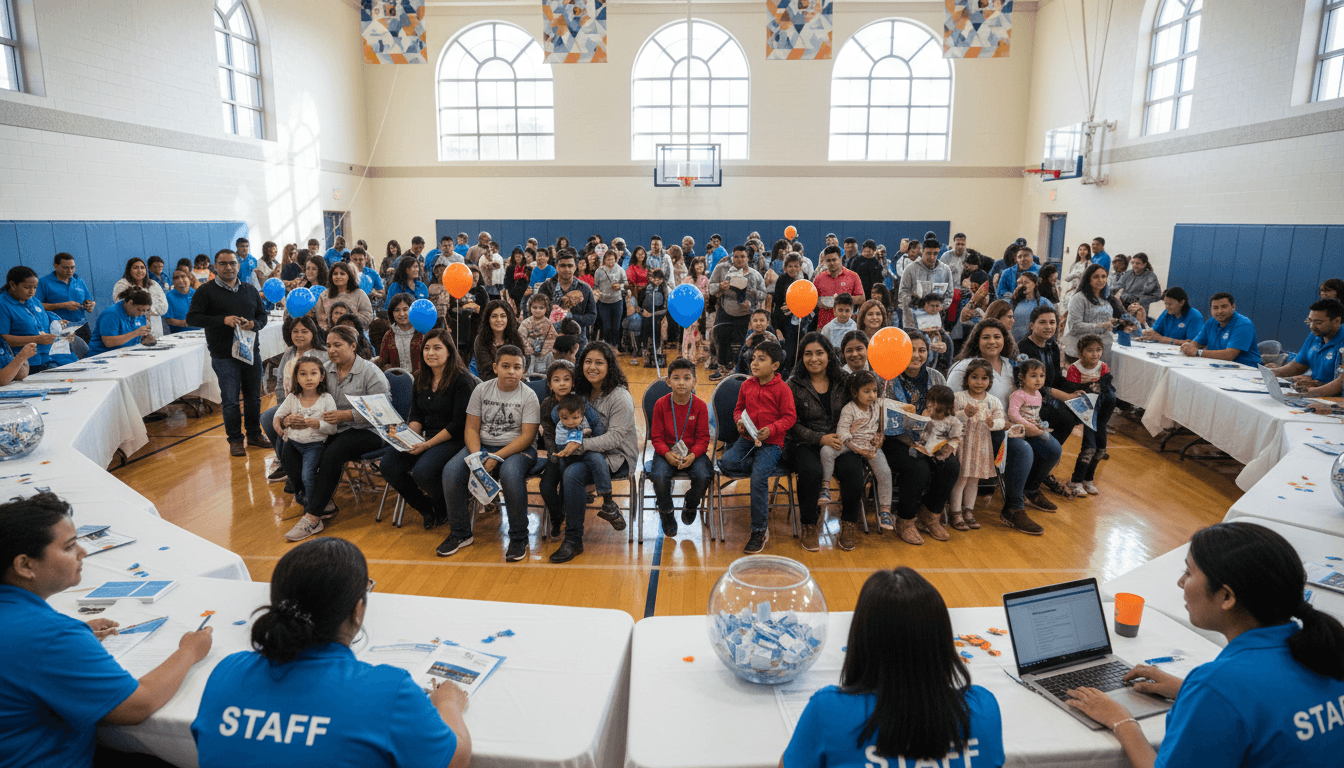
Open house invitations should describe what families will experience at the event in specific terms: which grade-level classrooms they will visit, which faculty they will meet, whether students are present and what role they play, and what questions will be specifically addressed. A specific event description is more compelling than a generic "come learn more about our school" invitation.
Include the registration link prominently. Open houses at competitive private schools often fill quickly, and families who cannot easily find the registration link are more likely to miss the event than to search for the link on the school's website.
The application guide: one communication that answers everything
The application guide newsletter is the most information-dense communication in the admissions sequence. It should be comprehensive and well-organized rather than brief. Families need to know every required application component, the specific deadlines for each component, how to submit each item, who to contact with questions, and what the decision and enrollment timeline looks like.
A frequently asked questions section in the application guide prevents the same questions from arriving in the admissions office repeatedly and signals that the school anticipates families' needs.
Financial aid communication
Financial aid communication in private school admissions is frequently mishandled in two ways: the school says too little and families assume aid is not available, or the school is vague about the process and families feel uncertain about whether to apply. A clear financial aid section in the admissions newsletter states the amount of aid the school awards annually, the income range that typically qualifies, the specific process for applying, and the timeline for aid decisions relative to enrollment decisions.
The notification and enrollment period
The period between acceptance and the enrollment deadline is when families make final decisions. A newsletter during this period that congratulates accepted families, describes what to expect in the first year, answers common new family questions, and creates a sense of excitement and belonging reduces the chance that accepted families choose a competitor while waiting for their enrollment deadline.
Get one newsletter idea every week.
Free. For teachers. No spam.
Frequently asked questions
When should private schools start admissions communication with prospective families?
The admissions communication sequence should begin in September for families considering the following fall, which means the school year before they plan to enroll. Open houses in October and November, followed by an application period in December through February, give families adequate time to make a considered decision without rushing. Schools that begin admissions communication in January for September enrollment are competing for families who have already made decisions elsewhere.
What should a private school admissions newsletter include for prospective families?
The application timeline with specific deadlines, what the application requires (forms, teacher recommendations, student essays if applicable, and any assessments), what the notification and enrollment deadline timeline looks like, financial aid availability and how to apply, visit opportunities and how to schedule them, and a direct contact for questions. Prospective families who receive all of this information in one clear communication are less likely to become confused or drop out of the process due to overwhelm.
How should private schools communicate the admissions decision process?
Be honest about the criteria: academic readiness for the program, fit with the school's community and values, and space availability. Do not promise admission before the process is complete, and do not make families feel that their child is being assessed harshly. A newsletter that describes the process as a two-way fit conversation rather than a competitive selection communicates the school's values and reduces family anxiety during the waiting period.
How should private schools communicate with families who are not admitted?
A personal phone call before any written notification, followed by a brief, kind written note, is the standard for schools that want to maintain goodwill with families who may reapply or who may have younger children. The written note should express genuine appreciation for the family's interest, note that the decision reflects program fit rather than a judgment of the student, and offer to keep the family's information for future consideration.
How does Daystage help private schools manage admissions season communication?
Daystage lets admissions directors build an admissions communication calendar with templates for each stage of the process: initial inquiry response, open house invitation, application deadline reminder, notification email, and enrollment confirmation. Each template maintains the school's voice and format consistently across the admissions season without requiring new drafts at each stage.

Adi Ackerman
Author
Adi Ackerman is a former classroom teacher and curriculum writer with 8 years in K-8 schools. She writes about school communication, parent engagement, and what actually works in real classrooms.
More for Private & Charter
Magnet School Newsletter: Communicating a Specialized Program to Committed Families
Private & Charter · 7 min read
Private School International Program Newsletter: Communicating Global Learning to Families
Private & Charter · 5 min read
Charter School Annual Fund Newsletter: How to Communicate the Case for Giving
Private & Charter · 6 min read
Ready to send your first newsletter?
3 newsletters free. No credit card. First one ready in under 5 minutes.
Get started free