
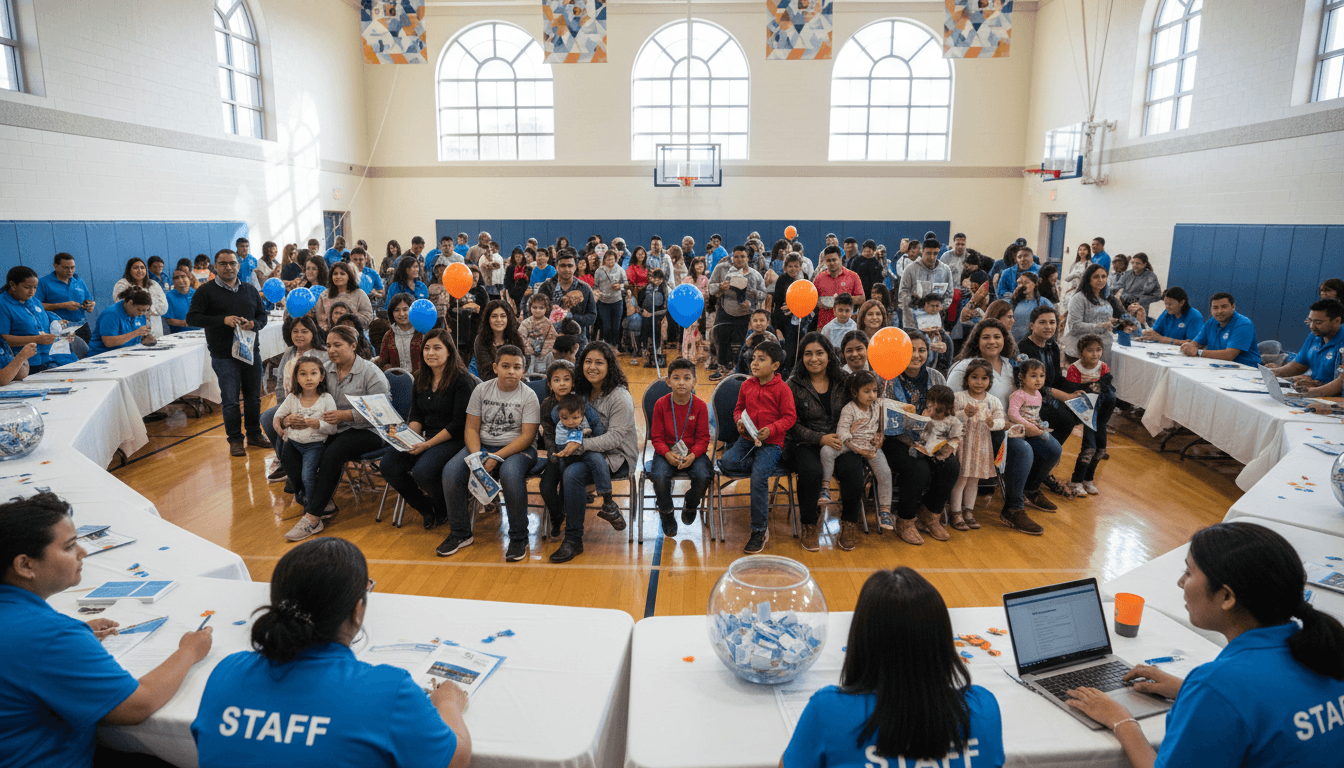
Charter School Annual Fund Newsletter: How to Communicate the Case for Giving
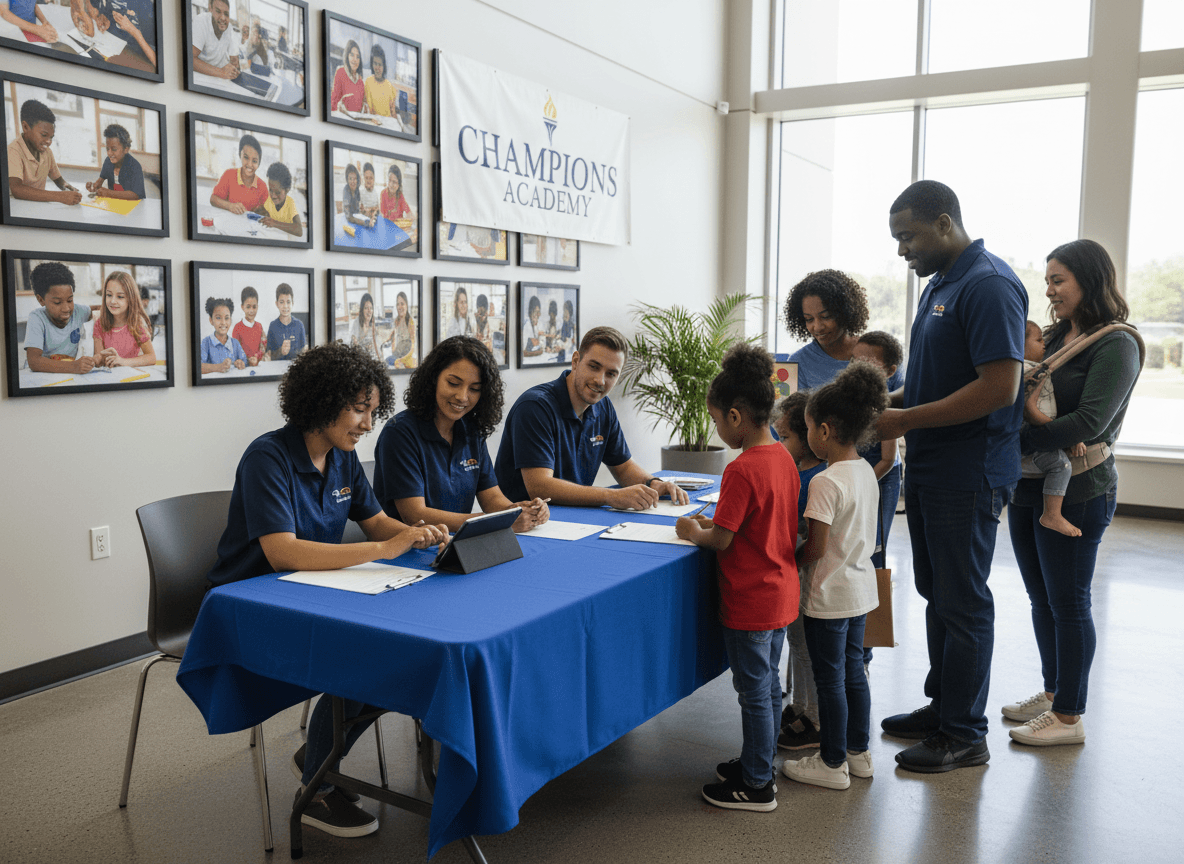
Charter school annual fund communication often fails in one of two ways: the ask is too vague ("support our school's mission") or the communication arrives only once with no follow-up. Neither approach produces the participation rates and giving levels that charter schools need from their parent communities.
This guide covers how to build an annual fund communication strategy that makes the case for giving specifically, runs a multi-touch campaign sequence, and produces the community participation that reflects the school's actual engaged-family culture.
Making the funding gap visible
Most charter school families do not know that charter schools receive less public funding per student than traditional public schools, that the funding gap in many states is significant, and that the school's ability to deliver its program depends partly on philanthropic support. A newsletter that explains this clearly, with specific numbers, turns the annual fund ask from a request for charity into a straightforward description of how the school is funded.
Example framing: "Our school receives [X] per student in public funding. The actual cost of delivering our program is [Y] per student. The annual fund closes [Z] of that gap, funding [list specific programs funded by the annual fund]." Families who see this math understand the ask in a completely different way.
Specific impact over general need
The most effective annual fund communication connects each gift directly to a specific program or experience. Instead of "support our school," write "fund the science lab materials that make our hands-on biology curriculum possible," "provide the arts supply budget that supports studio work in every grade," or "cover the cost of the school's college counseling program for families who could not otherwise afford private college consulting."
If the annual fund is unrestricted, pick three to five specific programs it typically funds and describe those. Families are not donating to an unrestricted fund; they are funding specific experiences for specific students.
Participation as the primary goal
A school with 80 percent parent participation in its annual fund is a school that foundation funders, corporate partners, and major donors take seriously. The percentage participation communicates community engagement in a way that total dollars do not.
Framing the annual fund around participation rather than dollars also makes the ask accessible to every family regardless of financial capacity. A $10 gift counts for participation. A newsletter that explicitly says "every gift, at any amount, counts toward our participation goal" produces significantly higher participation from families who might otherwise assume their gift is too small to matter.
The multi-touch campaign structure
A single annual fund newsletter produces mediocre results. A three-communication sequence produces substantially better ones. The launch communication makes the case for giving and announces the campaign goal. The midpoint update shares progress toward the participation goal and thanks early givers. The final push before the campaign closes creates urgency and names what remains to reach the goal. Each communication can be brief (150-250 words) and builds on the previous one.
Acknowledging all givers equally
A thank-you newsletter after the annual fund closes that lists all donors by name, without dollar amounts, creates a public record of community participation. Families whose names appear in the newsletter feel publicly acknowledged. Families who did not give notice who did and may give next year. The public thank-you is one of the highest-value post-campaign communications a charter school can send.
Get one newsletter idea every week.
Free. For teachers. No spam.
Frequently asked questions
Why do charter school families need a separate annual fund appeal when they may also pay fees?
Charter schools often receive less per-pupil public funding than traditional district schools, and many serve student populations with greater needs. The annual fund bridges the gap between what the state provides and what the school's program actually costs. A newsletter that makes this gap visible with specific numbers gives families a clear rationale for giving beyond tuition or fees. Families who understand the funding structure are more likely to give and more likely to give more.
What is the most effective way to communicate the case for annual fund giving?
Specific impact over general need. A newsletter that says 'your gift funds the science lab supplies that make our hands-on biology curriculum possible for every 7th grader' is more compelling than 'your gift supports our school's programs.' The closer the gift can be connected to a specific student experience, the more compelling it is. If the school can show that 100 percent of last year's annual fund went to specific named programs, say so with the program names and the amounts.
How should charter schools communicate participation rate goals rather than only dollar goals?
Participation rate, the percentage of families who give at any amount, is often a more compelling goal than a total dollar amount because it is achievable at every income level. A 70 percent parent participation goal tells families that the ask is about community participation, not wealth. It also signals to funders and authorizers that the school has a highly engaged parent community, which is a genuine organizational asset worth building.
How should charter schools thank donors in newsletter communication?
A public thank-you list in the newsletter, organized by participation rather than gift size, acknowledges giving without creating a hierarchy based on wealth. Families who give $25 deserve recognition alongside families who give $2,500. For leadership gifts, individual acknowledgment through personal notes from the principal carries more weight than a newsletter mention. The newsletter thank-you is for community recognition; personal acknowledgment is for relationship building.
How does Daystage help charter schools run their annual fund communication campaign?
Daystage lets you build the annual fund communication sequence as a newsletter campaign: the launch announcement, the midpoint update with progress toward the participation goal, and the final push before the campaign closes. Each template is ready to update with the current progress numbers and specific impact stories without rebuilding the communication at each stage. Consistent, well-timed annual fund communication consistently outperforms ad hoc appeals.

Adi Ackerman
Author
Adi Ackerman is a former classroom teacher and curriculum writer with 8 years in K-8 schools. She writes about school communication, parent engagement, and what actually works in real classrooms.
More for Private & Charter
Faith-Based School Values Newsletter: How to Communicate Mission and Faith Formation to Families
Private & Charter · 6 min read
Private School Capital Campaign Newsletter: Communicating Your Campaign to the School Community
Private & Charter · 5 min read
Private School Uniform Policy Newsletter: Communicating Dress Code Clearly and Consistently
Private & Charter · 7 min read
Ready to send your first newsletter?
3 newsletters free. No credit card. First one ready in under 5 minutes.
Get started free