
Independent School Newsletter Guide: Communication That Matches Your School's Character
Independent schools invest significantly in their program, their facilities, and their faculty. The newsletter is the primary communication channel through which families experience the school when they are not on campus, and a newsletter that does not reflect the school's investment and distinctiveness creates a gap between the school's actual quality and how families perceive it.
This guide is for independent school administrators and communication directors who want to build a newsletter program that reflects the school's character, serves families' actual information needs, and contributes to the enrollment and retention outcomes the school depends on.
The independent school communication context
Independent school families are making a deliberate investment of significant resources. They expect the school to take communication as seriously as it takes curriculum, faculty development, and facilities. A newsletter that is inconsistently formatted, poorly edited, or generic in its content signals to these families that communication is not a priority, and they extrapolate from that signal to other conclusions about the school's attention to quality.
This is not about pretension. It is about consistency between the school's positioning and its communication practices. A school that markets itself on the quality of its faculty and the intimacy of its community produces newsletters that demonstrate those qualities in action.
The head of school note: the most important element in the newsletter
A brief, personal note from the head of school or division director in every newsletter is the single element that most differentiates excellent independent school newsletters from adequate ones. This note does not need to be long. Four to six sentences that name something specific happening in school life, connect it to the school's values or program, and speak directly to families as partners creates a sense of leadership presence and genuine community.
The common failure is the head of school note that reads as a press release: formal, generic, and could have been written by someone who had not visited the school that week. The note that lands is the one that names a specific student exchange in the hallway, a moment in the all-school meeting, or an observation the head made during a classroom visit.
Academic and program highlights
Independent school families chose the school for its program. A newsletter that never describes what is actually happening in the classroom fails to deliver on that basic promise of insight. A weekly or monthly academic highlight, describing a specific project, a notable classroom moment, or a curriculum innovation, gives families the window into school life they are paying for and trusting the school to provide.
Community recognition
Independent schools are communities, and recognition is one of the ways communities build their identity. A regular recognition section that acknowledges faculty, students, and families by name, for specific contributions, creates a culture of appreciation and visibility that families discuss with each other. This section does not need to be extensive: three to five recognitions per newsletter is sufficient.
The role of newsletters in enrollment and retention
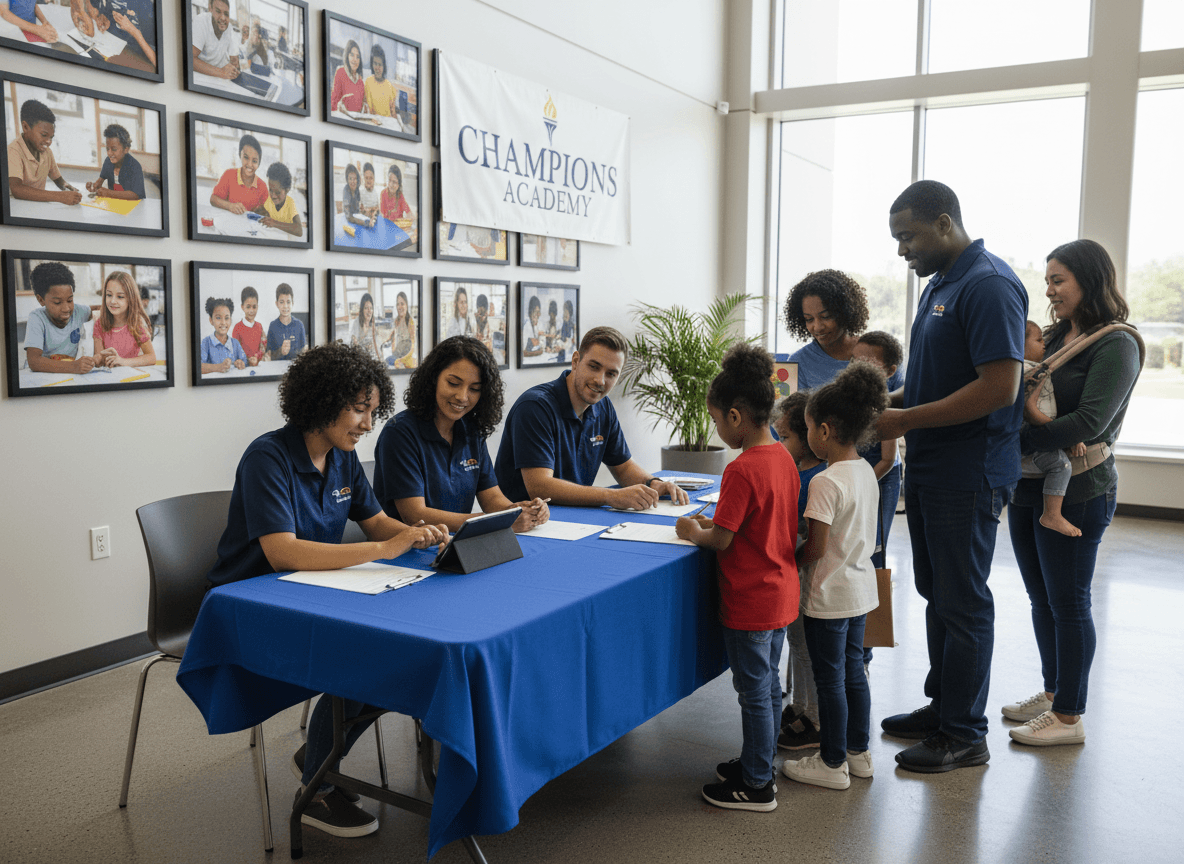
Prospective families who visit an independent school campus often request the school's newsletter during their visit. What they receive is either a powerful argument for enrollment or a missed opportunity. A newsletter that reflects the school's culture, the quality of the faculty's thinking, and the warmth of the community does more for enrollment than almost any other marketing material.
For current families, a newsletter that consistently demonstrates the quality of the program they are funding is a retention tool. Families who feel informed, valued, and proud of their association with the school renew. Families who feel like recipients of generic notices look for alternatives.
Get one newsletter idea every week.
Free. For teachers. No spam.
Frequently asked questions
What distinguishes an independent school newsletter from a public school newsletter?
Independent school families are paying tuition, which creates a different set of expectations. They expect communication that reflects the school's premium positioning: thoughtful writing, school-specific content that could not come from any other institution, and a tone that treats them as invested partners rather than recipients of notices. A generic public-school-style newsletter in an independent school context signals a disconnect between what families are paying for and what they are receiving.
How should independent schools balance community warmth with professional polish in newsletters?
The best independent school newsletters have a distinctive voice that is warm without being casual, professional without being institutional. Faculty spotlights, student achievement stories, and personal notes from the head of school or division heads achieve warmth. Consistent formatting, school-specific language, and well-edited prose achieve polish. These are not in tension when the newsletter has a strong editor and a consistent format.
What sections should every independent school newsletter include?
A note from the head of school or division director (personal, brief, and connected to current school life), academic and program highlights from the current week or month, upcoming events that require family attention or participation, community recognition (faculty, student, and family contributions), and any governance or financial news relevant to the school community. The specific sections vary by school but should always reflect the school's actual priorities rather than a generic template.
How do independent schools use newsletters to support enrollment and retention?
A strong newsletter program is one of the most effective enrollment and retention tools an independent school has, and most schools underuse it. Prospective families who receive the school's newsletter during their decision process get a direct window into school culture. Current families who receive a newsletter that consistently makes them feel that their tuition is reflected in thoughtful, high-quality school life are less likely to leave. Newsletter quality signals overall program quality.
How can Daystage help independent schools produce consistently high-quality newsletters?
Daystage lets independent schools build newsletter templates that reflect their branding, voice guidelines, and recurring section structure. New staff members producing a newsletter section for the first time work within a format that ensures consistency. The school's distinctive character shows up in every send rather than varying based on who assembled the newsletter that week.

Adi Ackerman
Author
Adi Ackerman is a former classroom teacher and curriculum writer with 8 years in K-8 schools. She writes about school communication, parent engagement, and what actually works in real classrooms.
More for Private & Charter
Charter School Safety Newsletter: Communicating Safety Protocols to Families
Private & Charter · 6 min read
Private School Academic Excellence Newsletter: Sharing Academic Achievements and Standards With Families
Private & Charter · 5 min read
Private School New Family Orientation Newsletter: Welcoming and Onboarding Families Well
Private & Charter · 6 min read
Ready to send your first newsletter?
3 newsletters free. No credit card. First one ready in under 5 minutes.
Get started free