
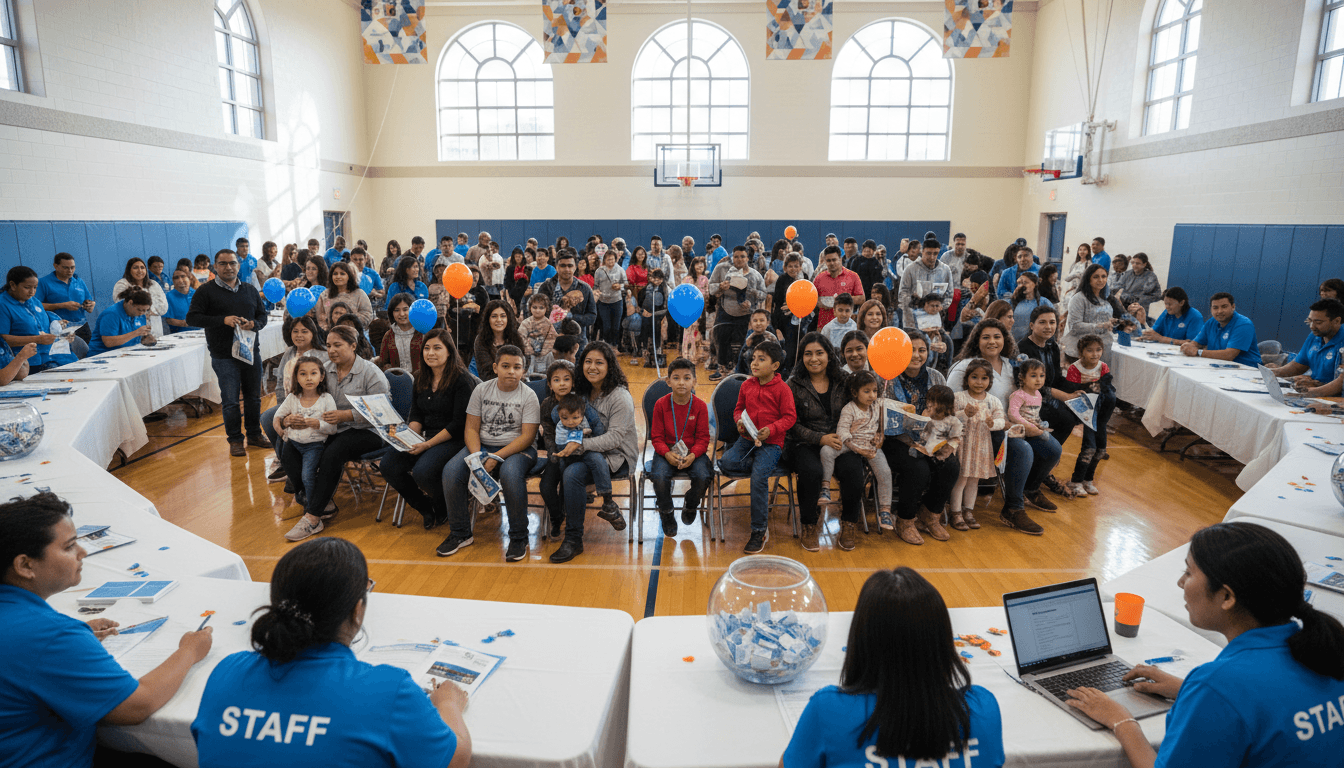
Private School New Family Orientation Newsletter: Welcoming and Onboarding Families Well
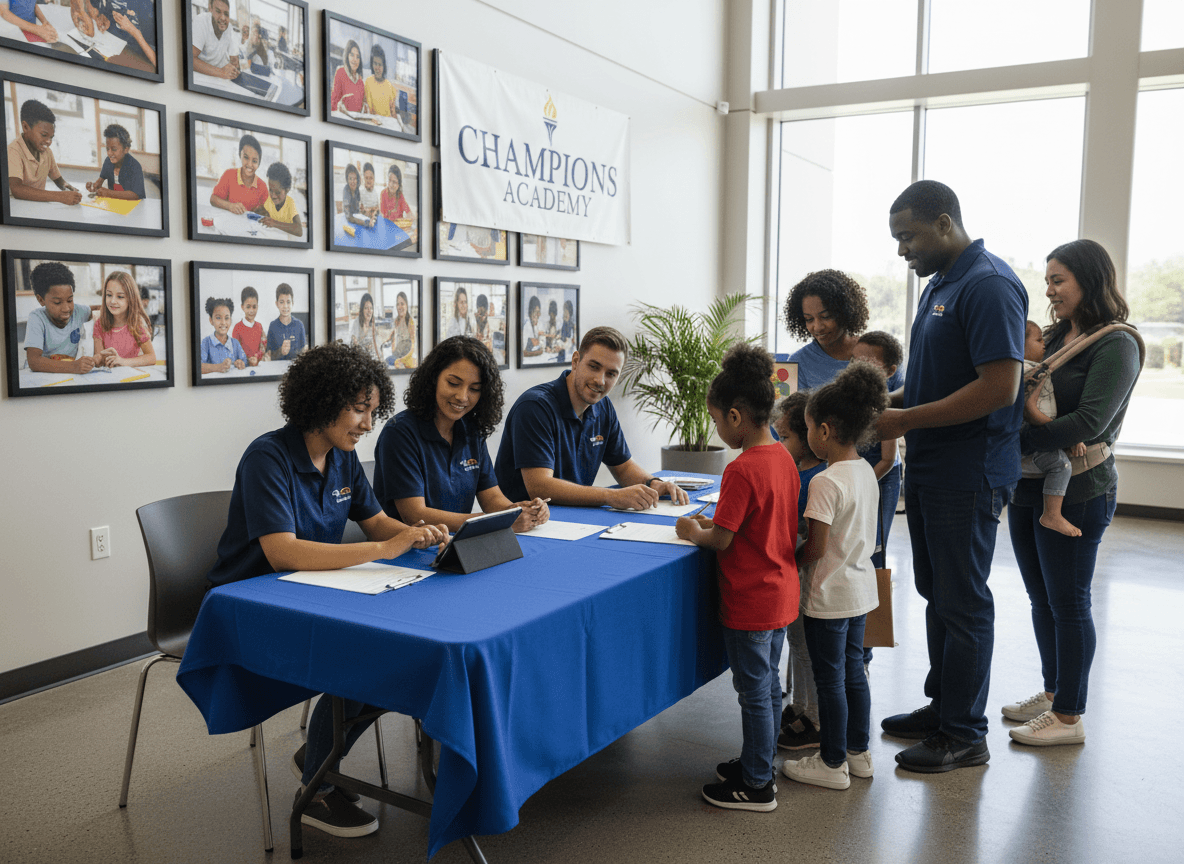
The first weeks of a new family's experience at a private school are the most fragile period in the school-family relationship. Families who chose the school based on a campus visit, a conversation with the admissions director, and the school's reputation arrive at orientation with excitement and anxiety in roughly equal measure. The communication they receive in this period either confirms that they made the right choice or begins a process of quiet doubt that can affect their engagement for years.
This guide is for private school admissions and communications teams who want to write new family newsletters that reduce first-year anxiety, build early community belonging, and turn new families into engaged school community members quickly.
The communication gap before orientation
Most private schools send an enrollment confirmation in March or April and then relatively little communication until an orientation packet arrives in August. That four-to-five-month gap is filled by new family anxiety, peer conversations among other new families, and speculation about what school life will actually look like.
A brief June communication acknowledging enrollment, expressing genuine welcome, and previewing what families will receive in August closes that gap with something positive. It does not need to contain much information. Its purpose is to make the school a presence in the new family's summer rather than a blank page.
The orientation preview newsletter
Six to eight weeks before school starts, new families need detailed practical information. The orientation preview newsletter is the most information-dense communication in the onboarding sequence. Cover: the orientation schedule with times and locations, what to expect at each event, who should attend (student and parents together, parents only, or both), any preparation required before arrival, and the key contacts for the questions families most commonly ask.
Families who know what orientation looks like arrive confident rather than disoriented. That confidence changes how they engage with staff and other families during the event.
The buddy family program: the community-building element
Private schools that assign returning families as buddies to new families consistently report faster social integration and higher first-year retention. A newsletter that introduces the buddy family program, explains what it involves (a summer phone call, a meetup before orientation, a point of contact during the first semester), and matches new families with buddies before orientation gives every new family a known social connection on day one.
The emotional onboarding element
A new family newsletter that only covers logistics misses the emotional experience of being new. A brief paragraph that acknowledges the transition honestly, notes that the first weeks can feel overwhelming even when everything is going well, and names specific ways the school supports new families normalizes the experience and signals that the school has thought about what it actually feels like to join a community mid-stride.
The first-week check-in
A brief newsletter or email from the head of school or division director in the first week after school starts, addressed specifically to new families, asks how the first week went, acknowledges that there is a learning curve, and provides a direct contact for any concerns. This communication costs almost nothing to produce and signals a level of attentiveness that new families remember and describe to other prospective families.
Get one newsletter idea every week.
Free. For teachers. No spam.
Frequently asked questions
When should a private school start communication with new families before orientation?
Six to eight weeks before the first day of school is the right window for the first detailed new-family newsletter. This communication arrives when families are actively preparing for school and are most receptive to orientation information. An earlier communication in June or July acknowledging enrollment and providing a preview of what to expect in August gives families a positive first experience and reduces the information vacuum that leads to anxiety.
What should a private school new family newsletter include?
The orientation schedule with specific times and what to expect at each session, who will be present and what families will receive, any preparation families should do before arriving, a list of key staff contacts for the most common new family questions, any platform or portal registration families need to complete before school starts, and information about any buddy family or new family connection programs. The communication should reduce the number of questions families need to ask, not just announce that orientation is happening.
How can private schools help new families feel socially connected before the school year starts?
A buddy family program, where each new family is paired with a returning family at the same grade level, is the single most effective social integration tool for private schools. A newsletter that announces the program, describes what the buddy family relationship involves, and introduces families to their buddy before orientation gives new families a specific person to find and talk to on day one. That single connection dramatically reduces the social isolation that keeps new families from integrating quickly.
How should private schools address the concerns that most new families have about fitting in?
Name the concerns directly in the newsletter rather than assuming families will voice them. Many new families worry about the social dynamics of a school where most children have known each other for years, whether their child will find friends quickly, whether they will navigate the school's customs and culture correctly, and whether they are making the right choice. A newsletter that acknowledges that the transition has a social learning curve and describes how the school supports it builds trust more effectively than an orientation schedule that ignores the emotional dimension.
How does Daystage help private schools produce high-quality new family onboarding newsletters?
Daystage lets you build a new family communication sequence with templates for each stage: the pre-enrollment welcome, the summer preparation guide, the orientation preview, and the first-week check-in. Each template is updated each year with the current contacts, schedule, and any program changes. The sequence delivers a consistent, polished experience to new families year after year without requiring a fresh writing effort for each communication.

Adi Ackerman
Author
Adi Ackerman is a former classroom teacher and curriculum writer with 8 years in K-8 schools. She writes about school communication, parent engagement, and what actually works in real classrooms.
More for Private & Charter
Charter School Dual Language Newsletter: Communicating the Program to Families Who Are Living It
Private & Charter · 6 min read
Charter School Technology Newsletter: Communicating Technology Programs to Families
Private & Charter · 5 min read
Private School Annual Fund Gala Newsletter: Making the Case for an Evening That Matters
Private & Charter · 5 min read
Ready to send your first newsletter?
3 newsletters free. No credit card. First one ready in under 5 minutes.
Get started free