
Charter School Board Meeting Newsletter: Communicating Before and After Board Meetings

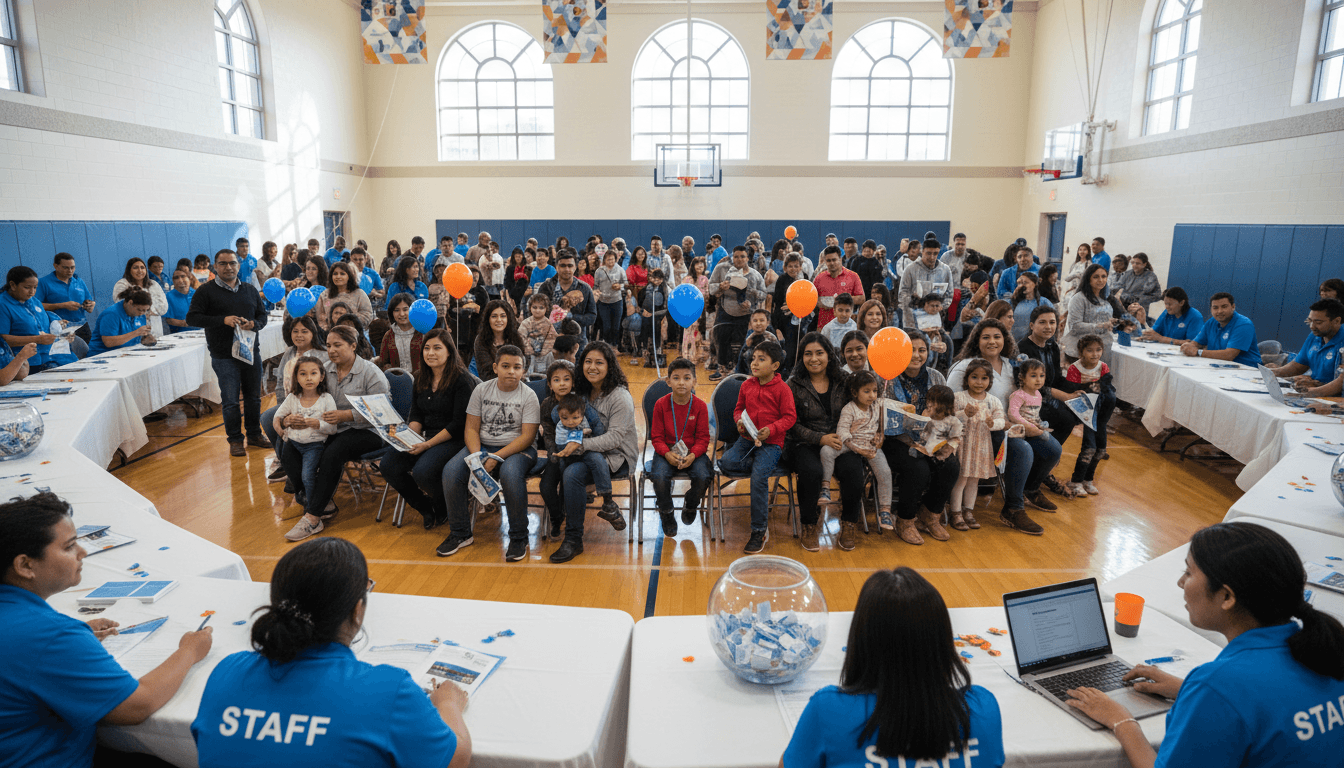
Charter school board meetings are public events. Most families know this in the abstract but never attend. Most charter schools communicate about board meetings only after they have happened, if they communicate at all. The schools that build genuinely engaged parent communities communicate about board meetings before and after, making governance a visible and participatory part of school life rather than a background process that families occasionally hear about secondhand.
This guide covers the two newsletters that make board meeting communication genuinely useful: the pre-meeting announcement and the post-meeting summary.
The pre-meeting announcement: inviting community participation
A pre-meeting newsletter, sent three to five days before each board meeting, summarizes the agenda and invites community participation. It does not need to be long. The key elements: date, time, and location (or virtual meeting link), a brief description of each major agenda item, how families can sign up for public comment if they want to speak, and how to submit written comments if they cannot attend.
Most families who receive this newsletter will not attend. But they will feel informed and included. Families who feel informed and included about governance are more trusting of the institution, more supportive during difficult moments, and more likely to engage when issues arise that affect their interests.
Describing agenda items so families understand why they matter
Board agenda items have names that are meaningful to governance professionals and opaque to most parents. "Approval of FY2027 preliminary budget allocation" is accurate but tells a parent nothing about why they should care. "Discussion of budget priorities for next school year, including proposed changes to staffing levels and program resources" tells the same parent that something they care about is being discussed and that they might want to attend or submit a comment.
Translating agenda items into family-relevant terms is the single most valuable thing a pre-meeting newsletter can do.
Public comment: the most under-communicated governance opportunity
Charter school bylaws almost universally require a public comment period at each board meeting. Many families who have concerns about school governance have never heard that they can raise those concerns directly to the board in a formal setting. A newsletter that explains how public comment works, in plain language, and invites families to use it when they have something to raise, changes the school's relationship to community accountability.
The post-meeting summary: closing the governance loop
A post-meeting summary sent within three business days of each meeting closes the communication loop. Families who received the pre-meeting announcement, especially those who chose not to attend, want to know what happened. A brief summary of decisions made, items tabled, and next steps satisfies that interest and maintains the trust that proactive governance communication builds.
The annual board meeting calendar
Publishing the full year's board meeting schedule in the back-to-school newsletter gives families the complete governance calendar in advance. Families who want to attend specific meetings, particularly ones where topics of special interest are likely to come up, can plan accordingly. A visible board meeting calendar is a small but meaningful signal of institutional transparency.
Get one newsletter idea every week.
Free. For teachers. No spam.
Frequently asked questions
Should charter schools communicate board meeting agendas to families before meetings?
Yes. A pre-meeting newsletter that summarizes the board agenda gives families the chance to attend and participate in items that affect them. It also signals that the school's governance is genuinely public rather than nominally public. Families who receive the agenda often do not attend but feel better about the school's governance because they were informed. The perception of transparency matters as much as the practice of transparency.
How detailed should the board meeting agenda summary be in a family newsletter?
Enough to convey what topics are being discussed and why they matter for students and families, without being a verbatim agenda. A one-to-two sentence description of each major agenda item is sufficient. Operational items that do not directly affect families, like contract approvals and routine financial reviews, can be grouped as 'operational business.' Items that directly affect families, like budget changes, program modifications, or policy updates, deserve individual descriptions.
How should charter schools communicate public comment opportunities to families?
Name the public comment process explicitly: when it occurs in the meeting, how long speakers have, whether advance sign-up is required, and whether written comments can be submitted to the board if families cannot attend in person. Many families do not participate in public comment because they do not know how it works. A brief explanation removes that barrier and signals that the board actually wants community input.
What should a post-board-meeting newsletter include beyond a summary of decisions?
The decision summary is the core content. Supporting elements that add value: a brief note from the board chair or school leader connecting the decisions to the school's goals, any items that were tabled with an explanation of why and when they will return, and the schedule for the next meeting. Families who receive this communication feel continuously informed rather than receiving sporadic governance updates.
How does Daystage help charter schools produce pre-meeting and post-meeting newsletters efficiently?
Daystage lets you build a governance section template with two formats: the pre-meeting agenda summary and the post-meeting outcomes summary. Each template holds the standard language, meeting schedule format, and public comment process description. You update only the specific agenda items or decisions before sending. The governance communication cycle runs on the board meeting calendar without requiring new drafts for each meeting.

Adi Ackerman
Author
Adi Ackerman is a former classroom teacher and curriculum writer with 8 years in K-8 schools. She writes about school communication, parent engagement, and what actually works in real classrooms.
More for Private & Charter
Charter School Arts Program Newsletter: Sharing Your Creative Curriculum With Families
Private & Charter · 5 min read
Charter School Reauthorization Newsletter: Communicating the Renewal Process to Families
Private & Charter · 5 min read
Montessori Parent Education Newsletter: Building Family Understanding of the Method Over Time
Private & Charter · 6 min read
Ready to send your first newsletter?
3 newsletters free. No credit card. First one ready in under 5 minutes.
Get started free