
Boarding School Newsletter: Residential Life Communication Guide

A boarding school family makes a trust transfer that most parents never make: they hand the day-to-day care of their child to an institution they can only visit a few times a year. The newsletter is one of the primary ways that institution makes good on the trust it has been given. It is not just a school update. It is evidence that the school knows who the students are, takes their wellbeing seriously, and communicates about them with honesty and warmth to the families who love them.
Make Residential Life Visible
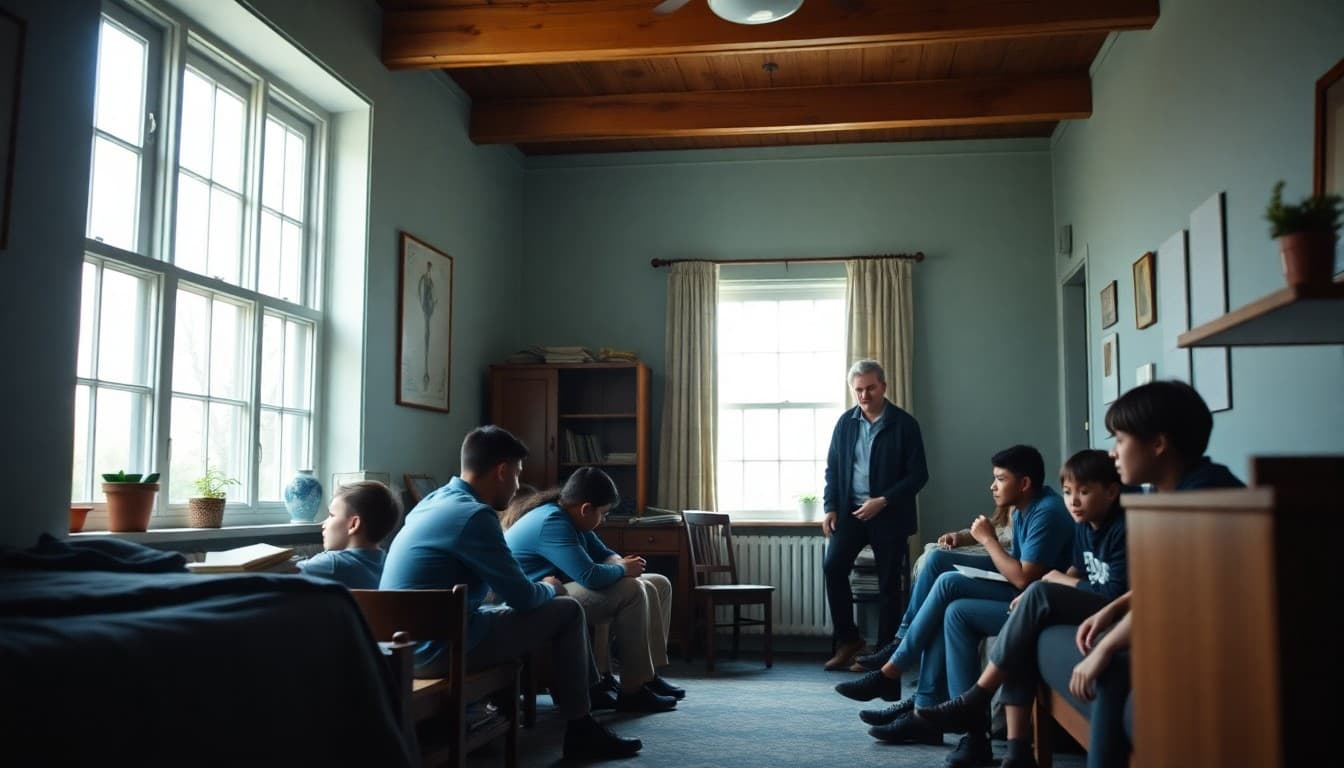
The academic program at a boarding school gets communicated through transcripts, report cards, and teacher emails. The residential life is less visible and often more important to families who are worried about their child's wellbeing. A section in every newsletter describing what is happening in the dorms, who is running the evening programming, and what students did together on the weekend gives distant families a genuine picture of their child's daily life. "This weekend, the north dormitory organized a movie night followed by a cookie-decorating competition. Fifteen students participated. The houseparent was there until midnight because no one wanted to leave." That sentence is worth more to an anxious parent than any academic report.
Feature Houseparent Voices Regularly
Houseparents are the adults who know residential students most intimately. A brief houseparent note in every issue gives families a direct connection to the person who lives with their child. Ask each houseparent to write 100 words about one thing they observed this week: a student who helped a dormitory mate without being asked, a group that spontaneously organized something, or a challenge the dorm navigated together. That first-person account is irreplaceable. No administrator summary can substitute for the person who was actually there.
Communicate the Residential Schedule With Full Detail
Here is a template for the residential schedule section:
This Week in Residential Life:
Monday: Study hall 7:30-9:00 p.m., all dorms
Tuesday: Dorm meeting 9:00 p.m. (check-in with houseparents)
Wednesday: Free evening programming 7:00-9:00 p.m., Student Center
Thursday: Study hall 7:30-9:00 p.m.
Friday: Off-campus privilege begins at 3:30 p.m. for eligible students
Saturday: [Event name], [time], [location]. Attendance: [Required/Optional]
Sunday: Family phone time: 5:00-7:00 p.m. is the school's suggested window to reach most students.
Families who know the schedule can call at the right time and understand what their child's week looks like before they talk.
Address Adjustment and Wellness Proactively
Homesickness, academic stress, and social adjustment are part of every boarding school experience. Naming them in the newsletter rather than waiting for parents to ask about them demonstrates institutional honesty and reduces the anxiety that comes from silence. "The first six weeks of residential life are often the most demanding. Our houseparents check in weekly with every new boarding student during this period. The school counselor's drop-in hours are Mondays and Wednesdays, 3:30-5:00 p.m., and students may stop by without an appointment. Families who have concerns are always welcome to call the houseparent directly."
Cover Academic Programming Alongside Residential Life
Boarding school families expect the same academic depth they would receive from a day school newsletter plus the residential coverage that a day school cannot provide. Cover both with equal specificity. Academic updates should include what students are studying, any major projects or assessments coming up, and what support resources are available. Do not let the uniqueness of the residential program crowd out the academic coverage that justifies the school's tuition.
Communicate About Visits, Leaves, and Long Weekends Clearly
Boarding school families plan their schedules around visit weekends and long leaves. Publish the full calendar at the start of the year and reference specific upcoming dates in every issue. Include logistics: where families should check in, parking, meal availability, and any programming during the visit weekend that families should know about. A family who arrives for Parents Weekend without knowing where to park or where to find their child experiences the school as disorganized. Clear logistics communicate institutional respect for the families making the trip.
Recognize Student Life Milestones Beyond Academics
The growth that happens in residential life is not always visible in grades or athletic results. A student who took on a dormitory leadership role, organized a community service project, or helped a struggling dormitory mate through a hard week deserves recognition in the newsletter. That recognition tells families that the school sees their child as a whole person and that residential life is educationally intentional, not just supervised housing.
Get one newsletter idea every week.
Free. For teachers. No spam.
Frequently asked questions
What unique communication challenges does a boarding school face compared to a day school?
Boarding school families are physically distant from their child's daily experience for months at a time. The newsletter is doing more work than in a day school because it is often the primary channel through which parents understand what their child's daily life actually looks like. Every section carries more emotional weight. A newsletter about residential life programming is not just information, it is reassurance that the family's child is known, supported, and thriving in a community they cannot visit on short notice.
How often should a boarding school publish its newsletter?
Weekly during the school year for residential life updates, with a monthly deeper communication covering academic programming, community events, and faculty spotlights. Some boarding schools separate these into a brief weekly residential bulletin and a monthly academic newsletter. Whatever the frequency, consistency is essential. Families who receive communication on a predictable schedule worry less between issues.
How do we communicate about homesickness and adjustment challenges honestly without alarming parents?
Acknowledge that adjustment takes time and describe what the school does to support it, without identifying individual students. 'The first six weeks of residential life are often the most challenging for new students. Our houseparents check in individually with every new residential student each week during that period, and our counselor holds a weekly drop-in session specifically for students who are adjusting to being away from home.' That information is reassuring rather than alarming because it shows the school has a plan.
How do we communicate about student wellness and health in the newsletter?
Cover wellness programming at the school level without disclosing information about individual students. Describe what your wellness curriculum covers, what the health center's role is, and what the school's approach to student mental health looks like. If there is a community-level wellness issue, like flu season or exam stress, address it directly with what the school is doing and what families can do from a distance.
Can Daystage help a boarding school publish both a weekly residential bulletin and a monthly academic newsletter?
Yes. Daystage lets you build separate newsletter templates for different publications and send each on its own schedule to the same or different subscriber lists. A houseparent can update and send the weekly residential bulletin without needing access to the monthly academic newsletter, and vice versa. That division of publishing responsibility matches the division of responsibility in the school's staffing structure.

Adi Ackerman
Author
Adi Ackerman is a former classroom teacher and curriculum writer with 8 years in K-8 schools. She writes about school communication, parent engagement, and what actually works in real classrooms.
More for Private & Charter
Ready to send your first newsletter?
3 newsletters free. No credit card. First one ready in under 5 minutes.
Get started free