
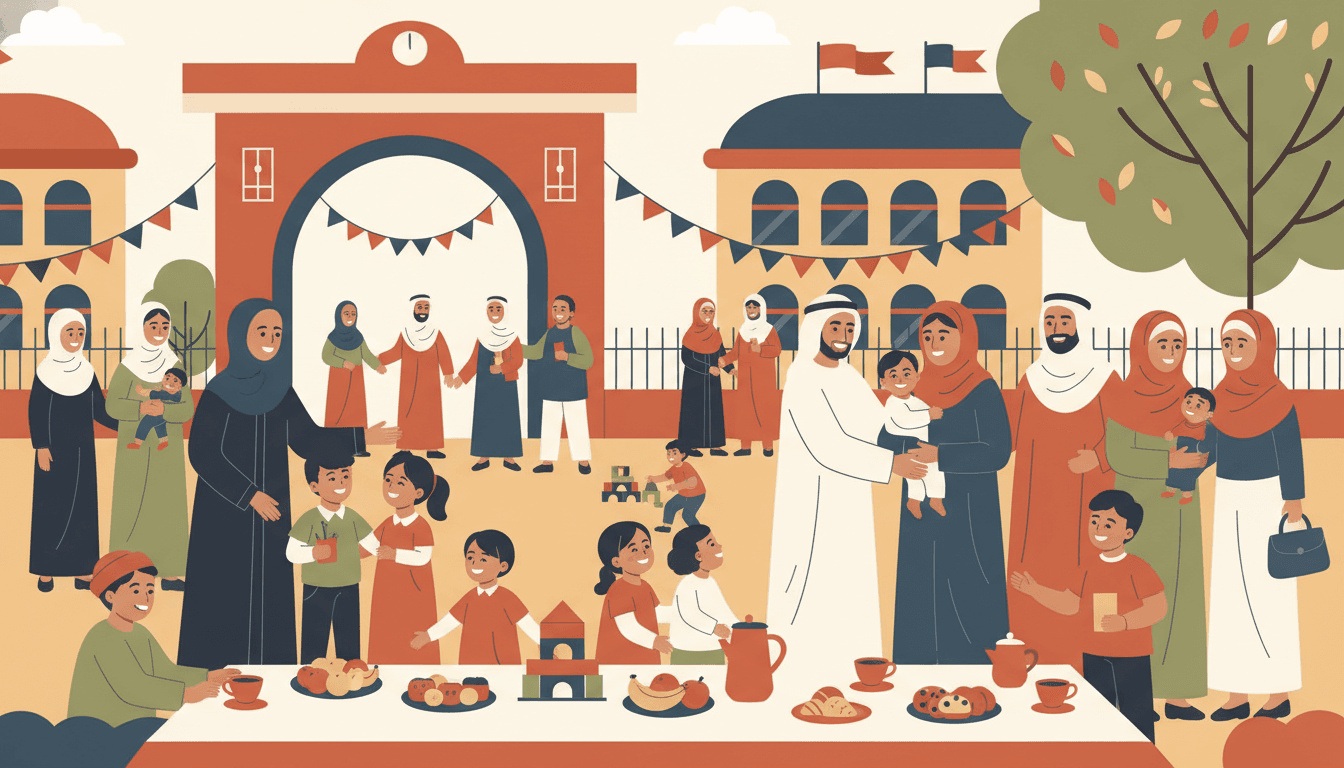
Somali School Newsletter: Communicating With Somali American Families
Schools with significant Somali American populations, concentrated in cities like Minneapolis, Columbus, Seattle, and San Diego, face communication challenges that go beyond language translation. Many Somali families, particularly those who arrived as refugees, bring experiences of displacement, trauma, and interrupted education that shape how they relate to school institutions. A newsletter strategy that does not account for this context will underperform regardless of how good the translation is.
Understanding the Community Context
The Somali diaspora in the United States includes families who fled the civil war that began in 1991, families who spent years in refugee camps in Kenya or Ethiopia, and second and third-generation Somali Americans who were born in the United States. These groups have significantly different relationships to American institutions, different literacy levels, and different communication preferences. What works for one portion of the community may not work for another.
A newsletter that works for literate, second-generation families may not reach the grandmother who is the primary caregiver and who has limited literacy in any language. Building a complete communication strategy requires knowing which part of the community you are trying to reach with which channel.
Somali Language Translation
Somali is a well-standardized language with a Latin-based writing system adopted in 1972. Machine translation for Somali is less reliable than for Spanish or Chinese, and professional translation resources may be harder to find. Community liaisons and bilingual Somali staff members are the most reliable translation resources for school newsletters. Building these relationships is an investment worth making in any school with a significant Somali community.
Islamic Observance and School Communication
Most Somali families are Muslim. School newsletters that acknowledge Ramadan, Eid, and other Islamic observances signal that the school sees and respects the religious lives of its Somali families. Practically, this means acknowledging the timing of major observances in school communication and considering how school events are scheduled relative to those observances.
Multi-Channel Approach
Written newsletters should be one component of a strategy that also includes phone outreach in Somali, community liaisons who attend mosque and community events, and parent meetings held in accessible locations with interpretation available. Daystage supports the written newsletter component of this strategy, allowing schools to send Somali-language newsletters as formatted emails to families who receive communication digitally.
Get one newsletter idea every week.
Free. For teachers. No spam.
Frequently asked questions
What specific challenges do schools face when communicating with Somali families?
Somali families, particularly those who arrived as refugees, often have limited experience with American school systems and may have had interrupted formal education in Somalia or in refugee camps. Some adults have limited literacy in any language. Trust in institutions may be lower than in other communities due to displacement experiences. Written newsletters alone are often insufficient.
What are the most effective channels for reaching Somali families beyond newsletters?
Community liaisons who are trusted members of the Somali community are the single most effective channel. Religious institutions (mosques) are also powerful community hubs. Phone calls in Somali are more effective than written communication for families with limited literacy. Written newsletters should be one part of a multi-channel strategy rather than the sole communication method.
How does Islamic observance affect school communication with Somali families?
Ramadan, Eid al-Fitr, and Eid al-Adha are major observances. School communication during Ramadan should acknowledge the fast and its potential impact on students. Scheduling important events or meetings during these periods without acknowledgment communicates that the school does not see the community's religious life. A newsletter that notes upcoming Islamic observances builds trust.
How do you address the trust barrier in Somali family communication?
Trust is built through consistent follow-through, honest communication, and visible presence in the community. Newsletters that arrive reliably, contain accurate information, and are followed up by people who follow through on what was written are the foundation. Relationship-based communication through community liaisons who are known and trusted accelerates the trust-building process.
Can Daystage support Somali newsletter communication for schools?
Daystage supports distribution in Somali and any other language, which can be part of a multilingual communication strategy that also includes in-person and phone outreach for families who are more reachable through those channels.

Adi Ackerman
Author
Adi Ackerman is a former classroom teacher and curriculum writer with 8 years in K-8 schools. She writes about school communication, parent engagement, and what actually works in real classrooms.
More for Bilingual
English Learner Reclassification Newsletter: Communicating the Process to Families
Bilingual · 6 min read
Multilingual School Orientation Newsletter: Preparing Diverse Families for a Successful School Year
Bilingual · 5 min read
Two-Way Immersion Program Newsletter: Communicating With Both Language Communities
Bilingual · 6 min read
Ready to send your first newsletter?
3 newsletters free. No credit card. First one ready in under 5 minutes.
Get started free