
Two-Way Immersion Program Newsletter: Communicating With Both Language Communities
Two-way immersion programs bring together two language communities who chose the same educational model for different reasons. English-dominant families enrolled their children to gain a second language. Partner-language-dominant families enrolled their children in a setting that honors and develops the language of their home. The newsletter that serves both communities well has to speak to both sets of motivations, both sets of anxieties, and both sets of expectations.
Understanding Each Community's Starting Point
English-dominant families typically enter a TWI program with enthusiasm for bilingualism and some anxiety about academic progress in a language-heavy environment. They may not understand why their child is receiving significant instruction in a language other than English, and they may worry about English reading and math. Their newsletter questions are: is my child learning enough? Is the model working?
Partner-language-dominant families enter with a different set of concerns. They may see the TWI program as the best available context for their child to develop English while maintaining the home language. Or they may have hesitations about sending their child to a school dominated by English-speaking families and wonder whether their community's language will truly be valued. Their newsletter questions are: is my language respected here? Is my child seen?
Parallel Content for Both Communities
A newsletter that explains the program model only from an English-dominant perspective, or that positions the partner language as the exotic "other" language, fails the partner-language community. The goal is content that normalizes both languages as vehicles of instruction and community.
This means: student spotlight features that represent both language communities, upcoming events described in terms meaningful to both groups, and academic updates that address both first-language and second-language learner progress explicitly. Parallel framing in the newsletter models the parallel valuing the program claims to practice.
Language Development Expectations for Each Group
English-dominant students and partner-language-dominant students are on different trajectories in a TWI classroom. English-dominant students are building a second language from minimal baseline; partner-language-dominant students are extending a first language and developing English simultaneously. Neither trajectory looks like the other in the early grades.
Newsletters that describe these distinct trajectories help families contextualize what they observe at home. The English-dominant family whose child cannot yet produce sentences in Spanish in October needs to understand that this is exactly what the research predicts and that comprehension is developing faster than production. The partner-language family whose child is speaking mostly English at home needs to understand that home language maintenance is an asset, not a problem.
Building Cross-Community Connection
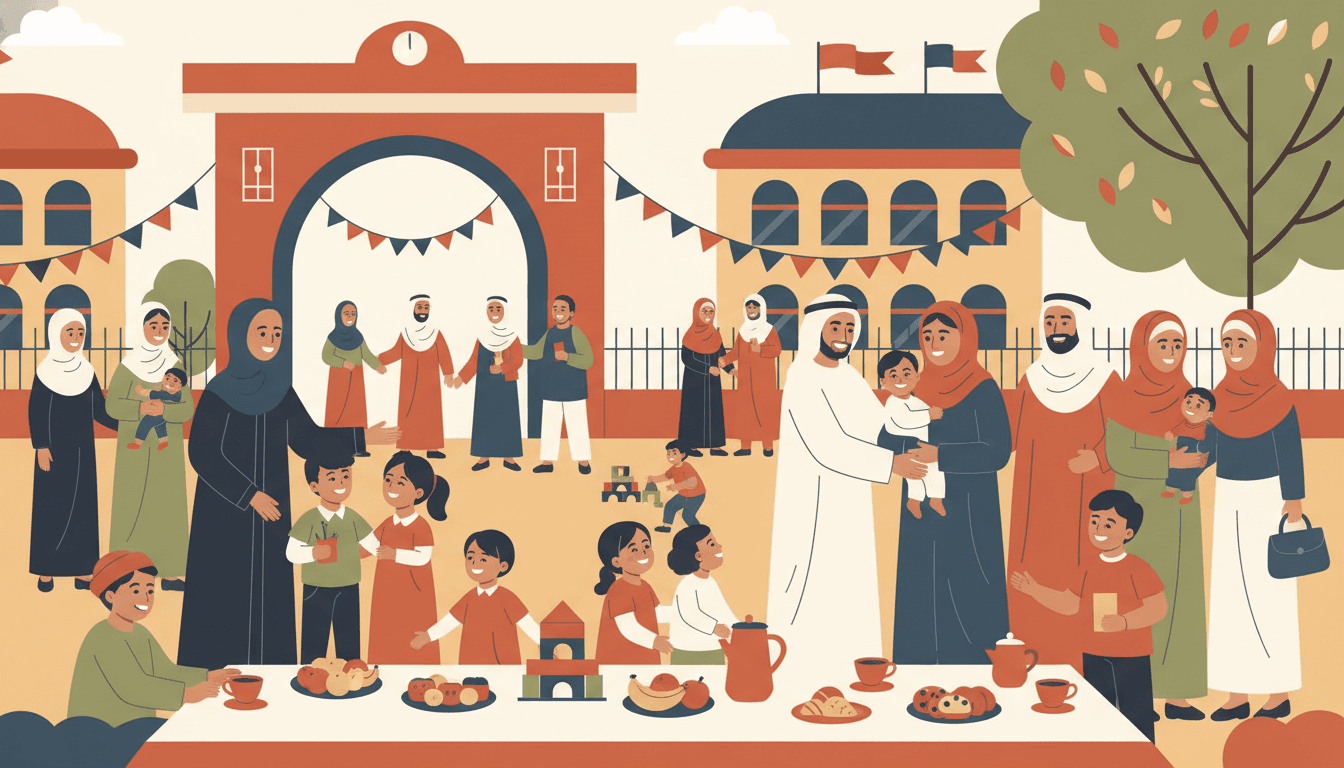
One of the most powerful but least-utilized features of a TWI newsletter is its potential to build relationships between the two language communities. When one family's child speaks only English at home and the child who sits next to them speaks only Spanish at home, those two families have a natural connection through their children's shared classroom. A newsletter that creates occasions for cross-community interaction, whether through events, shared projects, or family partner programs, turns the program's philosophy into community reality.
Producing the Newsletter in Both Languages
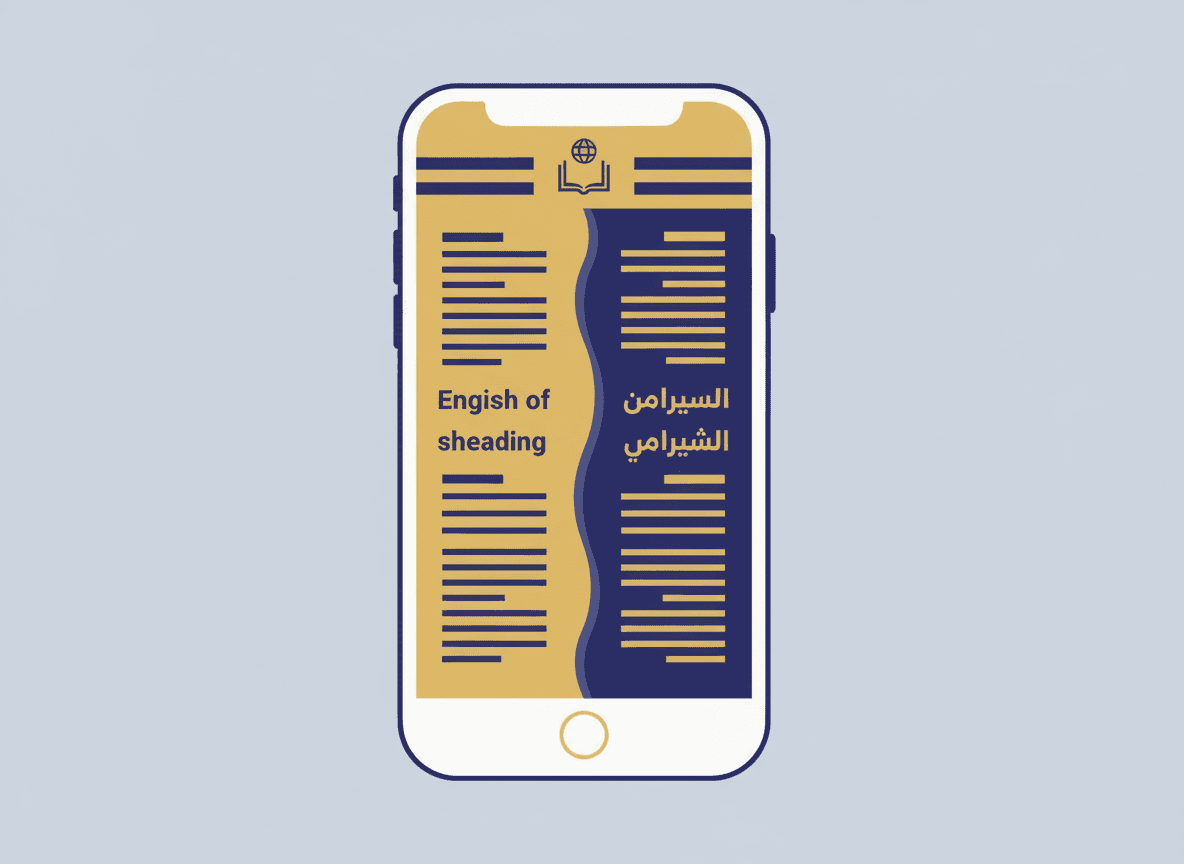
The newsletter itself is a statement about the program's values. A newsletter produced only in English sends a message to partner-language families about where they actually stand. Producing a bilingual newsletter, or producing separate newsletters in each language, is the most direct way for the program to demonstrate that its commitment to language equity extends beyond the classroom.
Daystage supports building and distributing newsletters in both program languages, making it practical for TWI programs to maintain a bilingual communication philosophy that matches their instructional model.
Get one newsletter idea every week.
Free. For teachers. No spam.
Frequently asked questions
What is unique about communication in a two-way immersion program?
Two-way immersion programs serve two distinct language communities in the same classroom. English-dominant families chose the program for bilingualism; partner-language-dominant families may see the school as serving their heritage language. These groups have different starting points, different anxieties, and different needs from newsletters. Communication that ignores this difference tends to serve one group poorly.
How should a TWI newsletter handle language distribution?
Producing the newsletter in both program languages is the natural extension of the program's philosophy. Some programs produce a full newsletter in each language. Others produce one bilingual newsletter with parallel text. Either approach signals that both languages have genuine status in the program, not just the prestige language.
How do you communicate about language mixing in TWI programs?
TWI families often wonder whether their children should be speaking both languages at home or only the home language. Research favors strong home language maintenance. Newsletters that explain this directly, and that reassure families that home language use does not interfere with second language acquisition, prevent a common anxiety from becoming a common parent decision to change home language use unnecessarily.
What community-building content works well in TWI newsletters?
Content that celebrates both language communities equally, highlights student language development across both groups, and creates occasions for the two family communities to interact builds the cross-cultural connections that are part of TWI's deeper purpose. Showcasing student work in both languages and creating opportunities for families to learn from each other are more valuable than informational content alone.
Does Daystage support two-way immersion program newsletters in multiple languages?
Yes. Daystage supports building and sending newsletters in any language, making it straightforward for TWI programs to produce and distribute bilingual newsletters that serve both family communities directly.

Adi Ackerman
Author
Adi Ackerman is a former classroom teacher and curriculum writer with 8 years in K-8 schools. She writes about school communication, parent engagement, and what actually works in real classrooms.
More for Bilingual
Language Brokering and School Newsletters: Why Student Interpreters Are Not a Communication Strategy
Bilingual · 5 min read
School Newsletter for Spanish-Speaking Families: Communication Guide
ELL & ESL · 6 min read
Bilingual Education Rights Newsletter: Communicating Family Rights to Multilingual Families
Bilingual · 6 min read
Ready to send your first newsletter?
3 newsletters free. No credit card. First one ready in under 5 minutes.
Get started free