

Newcomer Family Multilingual Welcome Newsletter: Making New Families Feel at Home from Day One
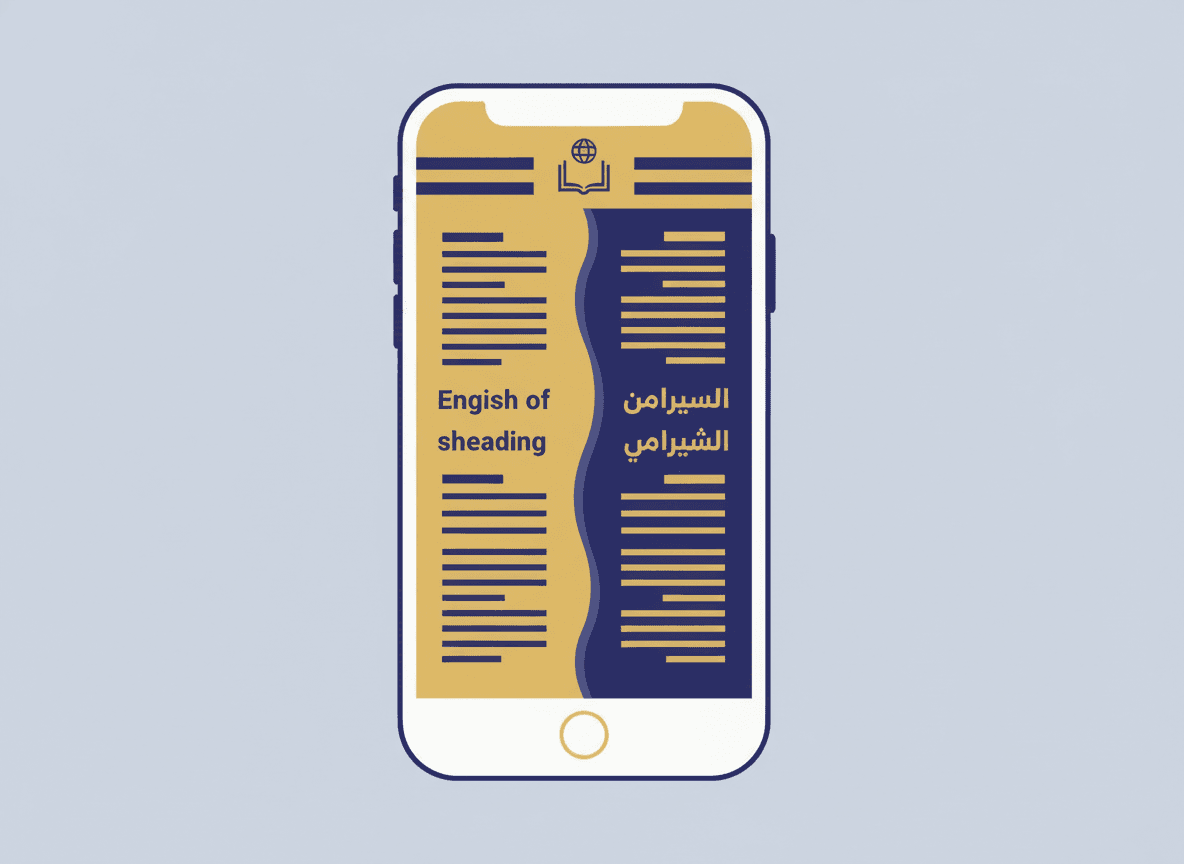
The first week in a new school is one of the most vulnerable and disorienting experiences a family can have. For newcomer families who speak a language other than English, the disorientation is multiplied by every interaction that happens in a language they are still learning.
A multilingual welcome newsletter does not solve every challenge a newcomer family faces. But it signals something important: this school anticipated your arrival, prepared for it, and wants you to feel oriented and welcomed.
Design the welcome newsletter to answer the questions families are actually asking
Newcomer families in their first week are asking a small number of urgent questions: Where does my child go in the morning? Who do I call if something happens? What does my child eat for lunch and how does that work? What time do I pick them up and where?
Your welcome newsletter should answer these questions in the home language before the family has to ask them. Start with the most practical, day-one information. The curriculum explanation and long-term school overview can come in subsequent communications once the family is oriented.
Introduce the key people by name and photo
A newcomer family who has never been in the building does not know which adult to approach when they have a concern. Including photos and names of the principal, the family's child's teacher, the front office staff, the school counselor, and the ELL coordinator gives the family faces to connect with names.
"These are the people at our school who are here to help your family. [Teacher name] is your child's teacher, and they will be in touch with you regularly. [Office name] is our front office contact for any day-to-day questions. [Counselor name] is available to support your child and your family with any challenges in the transition."
Explain language support services
Many newcomer families do not know that their child is entitled to English language development support, that the school may have bilingual staff or a bilingual program, or that interpretation is available for school meetings. The welcome newsletter is the right place to make these services visible and explain how to access them.
"Your child will be assessed for English language support services within the first week. If they qualify for support, they will receive English language development instruction from a trained ELL teacher in addition to their regular classroom instruction. You will receive information about the specific services your child is eligible for within ten school days."
Include a school map and schedule
A simple labeled map of the school and the daily schedule, in the home language, removes a significant amount of the first-week confusion for both parents and children. Where is the cafeteria? Where is the bathroom? What happens at 10am? These questions may seem trivial to staff but are genuinely disorienting for families who have never been in the building.
A visual school map with labels in both languages gives families and children a reference they can return to during the first weeks. This kind of visual aid works across literacy levels as well, for families whose home language literacy is limited.
Communicate cultural sensitivity and inclusion
The welcome newsletter is the first formal statement of the kind of school community the family is entering. A brief, genuine statement about the school's commitment to welcoming families from all cultural and linguistic backgrounds sets a tone that shapes the family's first impression and early relationship with the school.
"Our school is home to families from many countries and cultural backgrounds. We work to make every family feel known and valued here. If there are things we can do to better serve your family and your child, please tell us. We want to know." That invitation, in the home language, signals openness rather than institutional indifference.
Provide a next step for families to take
The welcome newsletter should close with one clear next step that moves the family from passive newsletter recipient to active school participant. This might be scheduling a meeting with the counselor, signing up for the parent organization's next meeting, or responding to confirm the family's language preference for future communications.
"To help us communicate with you effectively this year, please confirm your preferred language for school communications at [link] or by calling [number]. We want to make sure every newsletter, event invitation, and important notice reaches you in a language you can use."
Get one newsletter idea every week.
Free. For teachers. No spam.
Frequently asked questions
What should a newcomer welcome newsletter include for multilingual families?
Include a warm greeting in the family's home language, an overview of how the school is organized, the key people in the building and how to reach them, basic school procedures including arrival and dismissal, how to report an absence, the process for requesting interpretation, and what language support services are available for their child.
How quickly should a newcomer welcome newsletter be sent?
Within 24 hours of enrollment. The first days of a new school are disorienting for children and parents alike. A welcome newsletter that arrives on the enrollment day or the next morning signals that the school anticipated the family's arrival and has prepared for it. A newsletter that arrives two weeks later, after the most confusing days have passed, is far less useful.
Should newcomer welcome newsletters be sent in the family's home language or in English?
Both, with the home language version primary for families with limited English. Include the English version as well so the family has both for reference. For a newcomer family with very limited English, an English-only welcome newsletter is essentially no newsletter at all.
How do you build a multilingual welcome newsletter when you do not know what language a family speaks before they arrive?
Build a library of welcome newsletter templates in the languages most commonly spoken by your school community, and identify the family's language at enrollment. The template can be sent within hours if your translation is prepared in advance. For languages you have not yet encountered, a professional translation service can typically produce a basic welcome document within 24 to 48 hours.
How does Daystage help schools send multilingual welcome newsletters quickly?
Daystage lets schools maintain pre-built welcome newsletter templates in multiple languages that can be sent immediately upon enrollment of a new multilingual student. The subscriber management system allows the school to tag the family by language and send the appropriate version automatically.

Adi Ackerman
Author
Adi Ackerman is a former classroom teacher and curriculum writer with 8 years in K-8 schools. She writes about school communication, parent engagement, and what actually works in real classrooms.
More for Bilingual
School Newsletter for Haitian Creole-Speaking Families: Communication Strategies for Schools
Bilingual · 7 min read
School Newsletter for Polish-Speaking Families: Building Communication with Your Polish Community
Bilingual · 5 min read
School Newsletter for Yoruba-Speaking Families: Reaching Nigerian and West African Communities
Bilingual · 5 min read
Ready to send your first newsletter?
3 newsletters free. No credit card. First one ready in under 5 minutes.
Get started free