

Dual Language Teacher Newsletter: Communicating With Families in Both Languages
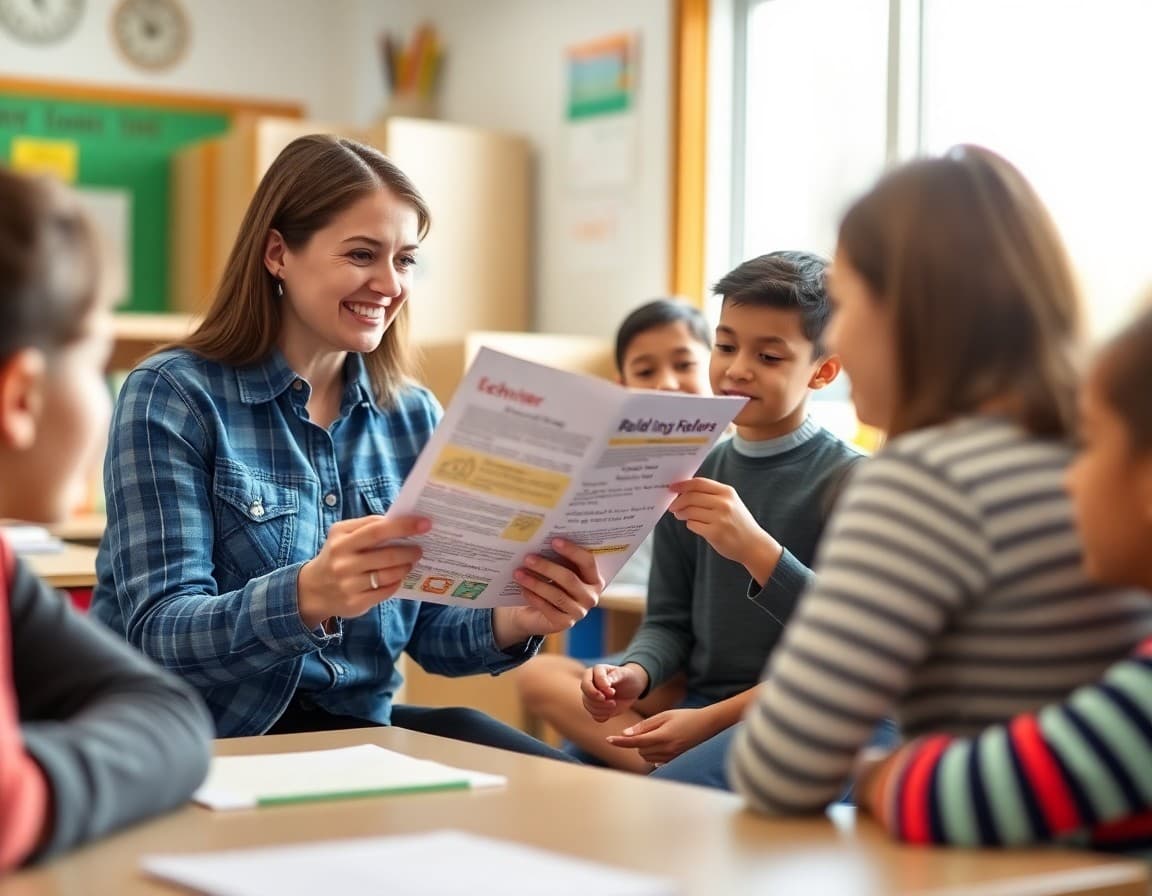
Dual language programs serve two distinct family communities in a single classroom: families who enrolled primarily for their child to develop the partner language, and families whose home language is the partner language and who enrolled for English development alongside heritage language maintenance. A teacher newsletter that serves both communities well, in both languages, with content specifically relevant to each, is one of the most important communication tools in a dual language program. This newsletter covers what that looks like.
Write each section in the appropriate language
A dual language teacher newsletter that is entirely in English or entirely in Spanish is already failing half its audience. The most natural approach is to write content in the language it is about: English literacy curriculum updates in English, Spanish literacy updates in Spanish, and shared community content in both. This models the language separation that is central to the program and communicates to families that both languages are active, valued tools in the classroom.
Explain bilingual language development specifically
Dual language families often have questions and anxieties about their child's language development that general parent communication does not address. Families new to dual language programs often worry when their child seems to be mixing languages, developing more slowly in one language, or appearing to lag behind peers in monolingual programs. A newsletter section that explains what normal bilingual language development looks like at each stage, and distinguishes typical bilingual patterns from areas of genuine concern, reduces family anxiety and builds program confidence.
Share language milestones in both languages
A dual language newsletter should communicate what students are achieving in each language, not just in the dominant language. When reporting on reading development, include progress in both Spanish literacy and English literacy. When reporting on oral language skills, describe what the class is working on in both languages. Families invested in a dual language program are tracking both languages, and a newsletter that only reports one is incomplete.

Guide families on home language support
Families in dual language programs often ask how they should handle language use at home. The research is clear: maintaining and developing the home language is beneficial for the partner language, not harmful. A newsletter that communicates specific guidance, continue reading and speaking your home language with your child, use books and media in your home language, do not worry about mixing languages at home, gives families evidence-based direction rather than leaving them to guess what the program expects.
Address the language separation policy
Most dual language programs use some form of language separation, whether time-based, person-based, or subject-based. Families need to understand what this policy is, why it matters for language acquisition, and how they can support it. A newsletter that explains the rationale for language separation in accessible terms, and describes what consistent implementation looks like at school and at home, produces better family buy-in than a policy statement alone.
Feature student-generated work in both languages
Student writing samples, dictated stories, and project work in both languages are compelling newsletter content that documents language development in concrete terms. A student's first independent sentence in the partner language is a milestone worth celebrating in the newsletter. Families who see evidence of their child's language development in each edition stay engaged with the program and understand what the teacher is working toward.
Get one newsletter idea every week.
Free. For teachers. No spam.
Frequently asked questions
What should a dual language teacher newsletter cover?
Language development milestones in both program languages, what students are learning in each language, how families can support home language development, upcoming language-themed events, what the program expects of families in terms of language use at home, and how to interpret language assessment results in a dual language context. Dual language families are highly invested in program transparency and benefit from more detailed language development communication than general program newsletters provide.
How should a dual language teacher balance the two languages in their newsletter?
By writing each section in the language it is addressing. A section about English language arts curriculum should be written in English. A section about Spanish literacy development should be written in Spanish. A community news section for all families can appear in both. This approach uses each language where it is most natural and communicates that both languages are equally valued tools in the program.
What language development information do dual language families most need?
Current language proficiency levels in each language, how bilingual language development differs from monolingual development, what is normal and expected at each stage of dual language acquisition, what the program's language separation policy is and why it matters, and what families can do at home to support their child's weaker language without undermining their stronger one.
How do dual language teachers communicate with families who do not speak both program languages?
By providing translations or summaries of content written in the partner language so all families can access all newsletter content. English-speaking families enrolled in a Spanish-English dual language program should receive Spanish content with accessible English summaries so they can follow their child's Spanish-language progress even if they do not speak Spanish fluently.
How does Daystage help dual language teachers communicate with their bilingual classroom community?
Daystage supports multilingual newsletter content and makes it easy to build newsletters that address two language communities with equal quality. A dual language teacher who uses Daystage to send consistent bilingual newsletters throughout the year keeps families in both language communities informed and engaged with their child's language development in ways that single-language newsletters cannot.

Adi Ackerman
Author
Adi Ackerman is a former classroom teacher and curriculum writer with 8 years in K-8 schools. She writes about school communication, parent engagement, and what actually works in real classrooms.
More for Bilingual
Ready to send your first newsletter?
3 newsletters free. No credit card. First one ready in under 5 minutes.
Get started free