

Bilingual School Newsletter Guide: Building a Communication System That Reaches Everyone
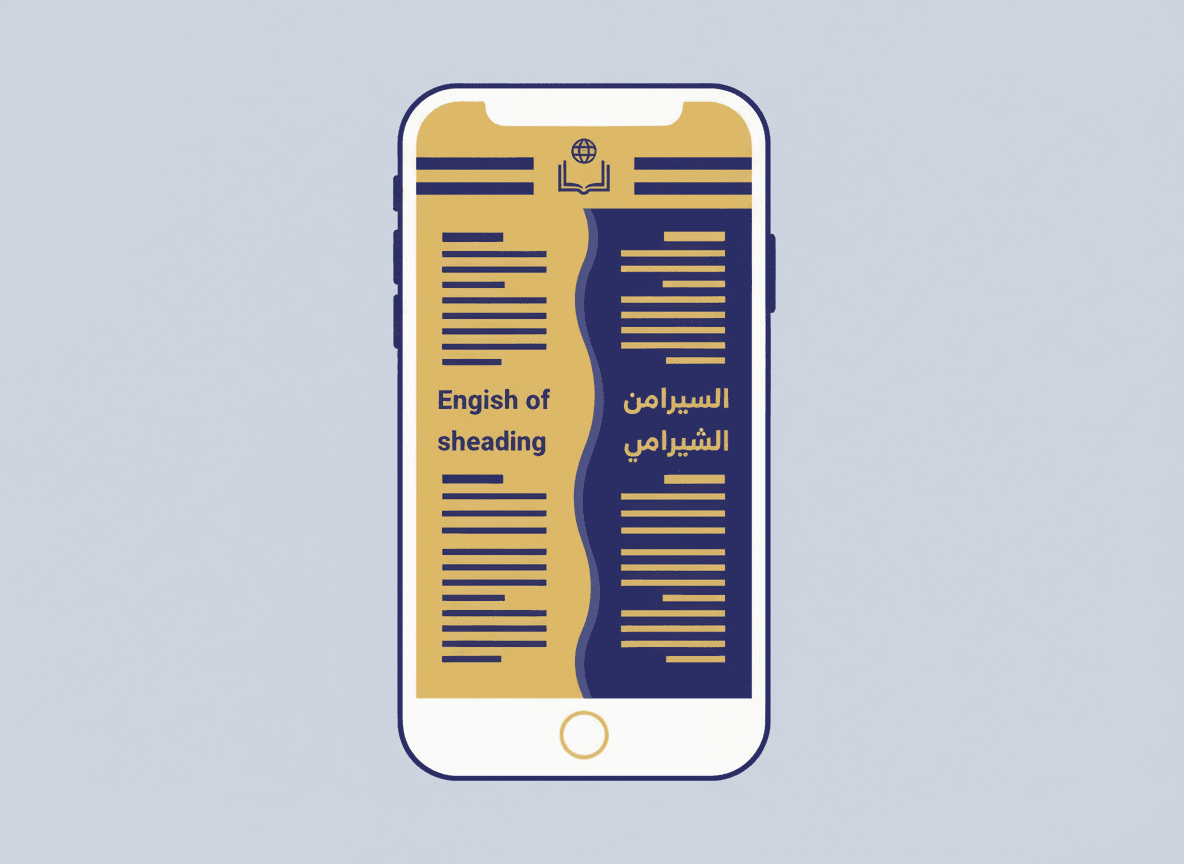
A bilingual school newsletter reaches Spanish-speaking and multilingual families by sending a single newsletter with both English and the target language in parallel columns or sequential sections , the most effective bilingual newsletters use professional translation tools rather than Google Translate and maintain the same visual layout in both languages so the reading experience feels equally polished. For many families, a newsletter in their home language is the difference between being an informed participant in their child's education and being an observer who receives occasional information they cannot use.
The Language Access Standard
The baseline for bilingual school communication should be: every family receives information in a language they can read, without having to request it. This means knowing the home languages of every family in your enrollment, having a translation workflow for those languages, and distributing newsletters in all needed languages as the standard practice rather than as a special accommodation.
Schools that meet this standard see measurably higher family engagement across language groups. Schools that require families to request translation often find that the families who most need the information are the least likely to navigate a request process.
Building a Translation Workflow
A sustainable workflow for bilingual newsletters separates three roles: content creation (the teacher's job), translation (a designated staff member, community volunteer, or professional service), and quality review (a bilingual speaker who checks for accuracy and cultural appropriateness). When these three roles are clearly assigned, the process becomes routine rather than a crisis to manage each week.
Translation software like DeepL or Google Translate can produce a serviceable first draft for many languages. That draft should always be reviewed by a human speaker before distribution, especially for content involving medical, legal, or emotionally sensitive topics.
Cultural Relevance, Not Just Linguistic Accuracy
A translated newsletter that is linguistically accurate but culturally tone-deaf does not achieve the goal of inclusion. Dates of cultural significance to the community, references to community events, and language that reflects the norms and values of the families being addressed all matter. When possible, involve bilingual community members in the newsletter process, not just as translators but as cultural consultants.
Digital and Physical Distribution
Not all families in multilingual communities have reliable email access. A complete bilingual newsletter strategy includes email for families who use it, printed copies sent home in student folders, and text message links for families who are more reachable by phone than by computer. Daystage supports digital distribution of multilingual newsletters and integrates with the email delivery system that most families already check on their phones.
Get one newsletter idea every week.
Free. For teachers. No spam.
Frequently asked questions
What is the most important principle for a bilingual school newsletter?
Every family receives the full communication in a language they can read. A newsletter in English only, with a note that translation is available on request, does not meet this standard. Families should not have to ask for access to basic school communication. The newsletter in the family's primary language is the default, not the exception.
How do bilingual programs handle translation without overwhelming staff?
A sustainable translation workflow separates content creation from translation. The teacher writes the English newsletter. A dedicated translator or translation tool handles the language conversion. Quality review by a bilingual staff member or community volunteer catches errors. Keeping the newsletter consistent in format and length makes each translation faster than the previous one.
What languages should a bilingual school newsletter prioritize?
Prioritize based on your actual enrollment data. Survey families at enrollment to identify home languages. If forty percent of your families speak Spanish at home and fifteen percent speak Somali, those are the first two languages to support. Add additional languages as capacity allows. Complete coverage of every language is the long-term goal, not the starting requirement.
How do bilingual newsletters build family engagement beyond information delivery?
Bilingual newsletters that invite participation in the family's home language produce more engagement than those that only inform. Including activities families can do in any language, inviting feedback in either language, and using newsletter language that reflects the cultural context of the community creates genuine two-way communication.
Does Daystage support multilingual newsletter creation for bilingual schools?
Daystage lets teachers create newsletters that go to families in any language, supporting bilingual programs in sending the same newsletter content to all families in their preferred language.

Adi Ackerman
Author
Adi Ackerman is a former classroom teacher and curriculum writer with 8 years in K-8 schools. She writes about school communication, parent engagement, and what actually works in real classrooms.
More for Bilingual
Portuguese Bilingual Newsletter: Building School Communication for Portuguese-Speaking Families
Bilingual · 5 min read
School Newsletter for Amharic-Speaking Ethiopian Families: What Works and Why
Bilingual · 5 min read
Bilingual Parent Night Newsletter: Inviting Multilingual Families to School Events
Bilingual · 5 min read
Ready to send your first newsletter?
3 newsletters free. No credit card. First one ready in under 5 minutes.
Get started free