

Bilingual Parent-Teacher Conference Newsletter: How to Prepare Multilingual Families
Parent-teacher conferences are among the highest-stakes school communications of the year. What happens in that 15- or 20-minute meeting can shape a teacher's understanding of a student, a parent's trust in the school, and a child's academic experience for the rest of the year.
For multilingual families, the preparation newsletter you send before conferences determines whether they arrive ready to participate as partners or whether they arrive uncertain, underprepared, and unable to advocate effectively for their child.
Send the newsletter in the family's home language
The conference preparation newsletter should reach every family in a language they can fully understand. An English-only conference invitation that goes to a family whose primary language is Spanish, Arabic, or Mandarin is not a conference invitation. It is an obstacle.
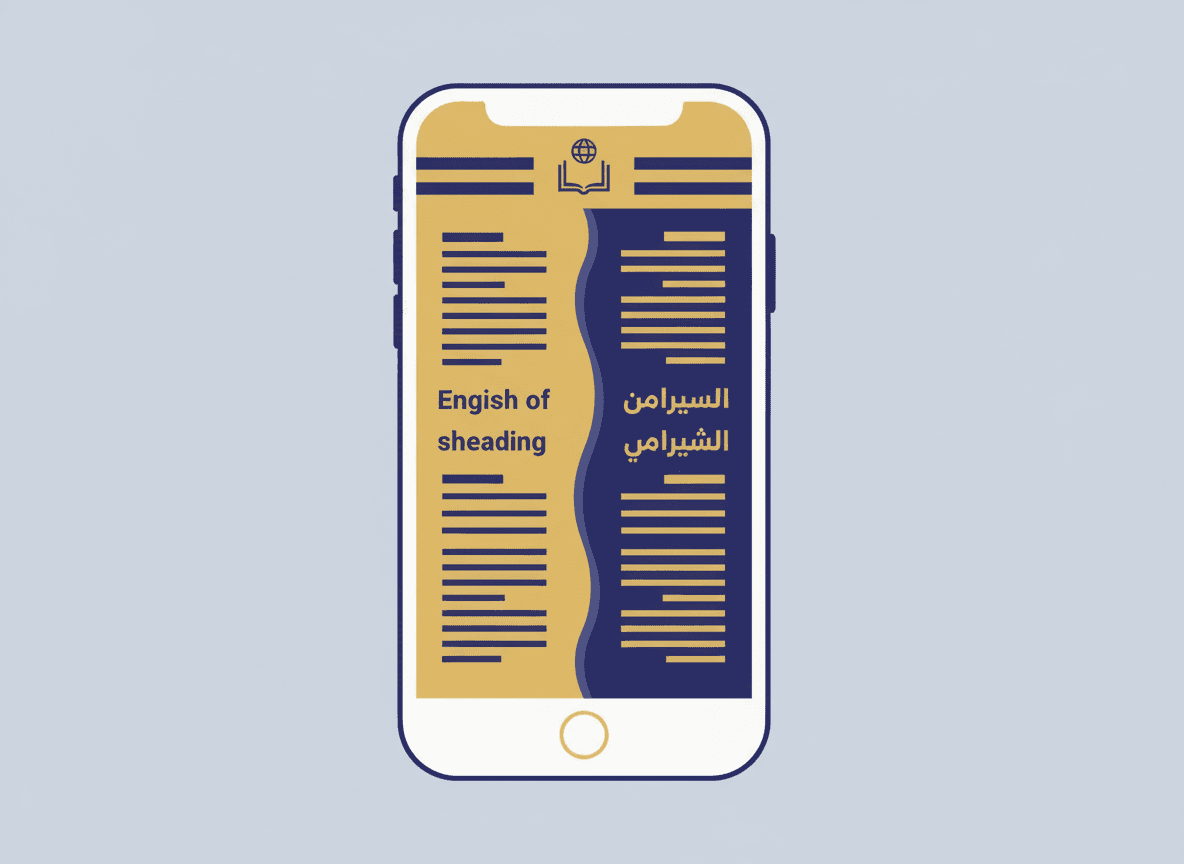
For each language group in your school, prepare a bilingual version of the conference newsletter that includes the English and their home language side by side. Families who receive the invitation in their home language arrive at the conference knowing what it is, how to participate, and what to expect.
Communicate interpreter availability clearly
One of the most important pieces of information in the conference newsletter is whether interpretation will be available and how to request it. Many multilingual families skip conferences they want to attend because they do not know interpretation is available or because they are unsure the school can accommodate them.
"Interpretation is available for conferences in [list of languages]. To request an interpreter, complete the form at [link] or call [number] by [date]. If your language is not listed, contact [name] at [email] and we will work to find a solution." That message removes the uncertainty that causes multilingual families not to come.
Explain what the conference covers in plain language
Many multilingual families, especially those who attended school in countries with different parent-teacher conference traditions, do not know what a US parent-teacher conference covers. Is it a report on their child's performance? Is it a discipline meeting? Is the teacher going to ask them to do something at home?
"Your conference will cover your child's academic progress in reading, writing, and math. Your child's teacher will show you work samples and share assessment results. You will have time to ask questions and share any concerns. The conference is not a disciplinary meeting unless you receive a specific note from the school beforehand." That explanation in the home language removes significant anxiety.
Give families conference questions to prepare
A multilingual parent who has had the chance to think through and write down their questions in their home language will have a much more productive conference than one who has to formulate questions in a second language under time pressure.
Include a question guide in the newsletter in each family's home language: What is my child's strongest academic area this year? What is the area they most need to improve? Is there anything happening socially that I should know about? What can I do at home to support their progress? How is my child doing compared to grade-level expectations?
Address barriers that prevent multilingual families from attending
Multilingual families face specific barriers to conference attendance that English-speaking families often do not: work schedules that cannot easily accommodate daytime appointments, transportation challenges, childcare needs, and anxiety about language barriers. Your newsletter can name these barriers and describe the accommodations available.
"If the standard conference times do not work for your schedule, please contact [name] to arrange an alternative time. If transportation is a challenge, we have limited transportation support for families who request it. If you need childcare during your conference, let us know when you schedule your appointment." Specific accommodations remove the barriers that otherwise prevent attendance.
Follow up with conference notes in the family's language
After the conference, a brief follow-up note in the family's home language summarizing what was discussed and any action items reinforces the partnership started in the conference. Many multilingual parents leave conferences unable to process everything that was said in a second language. A written summary in their home language makes the conference communication complete.
Even a template follow-up that leaves blanks for the specific next steps discussed is far more useful than no follow-up at all. The newsletter system that reached the family before the conference is the right tool to reach them after it too.
Get one newsletter idea every week.
Free. For teachers. No spam.
Frequently asked questions
What should a bilingual parent-teacher conference newsletter include?
Include the conference schedule and how to sign up, how to request an interpreter if one is needed, what topics the conference will cover, how to prepare questions in advance, and what happens if a family cannot attend the scheduled time. All of this information should appear in both English and the family's home language.
How far in advance should a bilingual conference newsletter be sent?
At least three weeks before the conference. Multilingual families may need additional time to arrange transportation, childcare, or interpretation support. They may also need time to prepare questions in their home language or to identify a bilingual community member who can accompany them if professional interpretation is not available.
How should schools communicate interpreter availability for parent-teacher conferences?
State clearly which languages interpretation is available in, how families request an interpreter, and the deadline for the request. A family who does not know interpretation is available may bring a child to interpret for them, which creates serious problems for the quality of the conference and for the child's role in it.
What questions should a bilingual conference newsletter encourage multilingual families to prepare?
Prompt families to think about their child's academic strengths and challenges, any social or emotional concerns they have observed at home, any cultural or family context the teacher should know, and any specific goals they have for their child this year. Providing these prompts in the family's home language is much more effective than providing them only in English.
How does Daystage help schools send bilingual conference preparation newsletters?
Daystage lets schools build a bilingual conference newsletter template that can be sent to all families while including language-specific content for different subscriber groups. Families tagged by language preference receive the newsletter with their home language section included automatically.

Adi Ackerman
Author
Adi Ackerman is a former classroom teacher and curriculum writer with 8 years in K-8 schools. She writes about school communication, parent engagement, and what actually works in real classrooms.
More for Bilingual
Bilingual Family Literacy Newsletter: Supporting Reading and Writing Across Languages at Home
Bilingual · 6 min read
Community Interpreter Resources Newsletter: How Schools Can Connect Multilingual Families to Interpretation Services
Bilingual · 5 min read
Multilingual Emergency Communication: How Schools Reach All Families During Crises
Bilingual · 6 min read
Ready to send your first newsletter?
3 newsletters free. No credit card. First one ready in under 5 minutes.
Get started free