
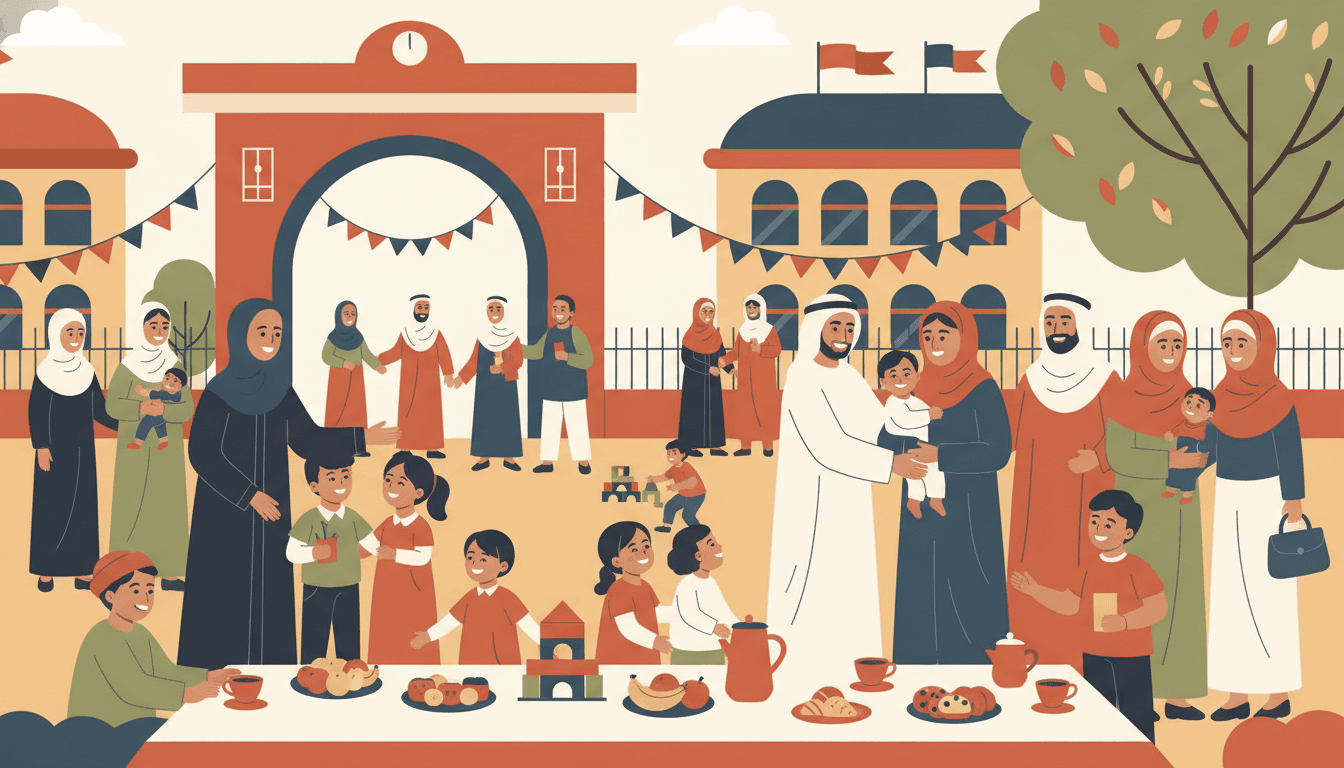
Bilingual Family Literacy Newsletter: Supporting Reading and Writing Across Languages at Home
One of the most powerful levers in a child's literacy development is what happens at home. Families who read with their children, who tell stories, who talk about books and ideas, and who model reading and writing as part of daily life raise children who enter school with a significant advantage. Multilingual families have all of these abilities, but many have been led to believe that reading to their children in the home language is less valuable than struggling through English. A bilingual family literacy newsletter corrects this misunderstanding and activates a resource the school would be foolish to leave unused.
Home Language Literacy Is Not the Enemy of English Literacy
The research on first and second language literacy development is consistent and clear: children who develop strong literacy skills in their first language learn to read in a second language faster and more completely than children who have weak first language literacy. A child who has been read to in Spanish for years, who can predict story structure, who knows how to follow a narrative, who has a large vocabulary in Spanish, enters English literacy instruction with a cognitive toolkit that transfers across languages.
Many multilingual families do not know this. They have been told, by well-meaning neighbors or relatives or even educators, to speak English at home and read English books. A newsletter that shares the research clearly and directly, in the family's language, gives families permission to do what comes naturally: read and talk with their children in the language they know best.
Literacy Activities in Any Language
A bilingual family literacy newsletter should include specific, actionable activities that families can do at home in their home language. These do not need to be elaborate. Read a picture book before bed and ask your child what they think will happen next. Tell a family story about something that happened before your child was born. Ask your child to explain what they learned at school today in the home language.
Frame these activities explicitly as literacy activities, not just family time. Families who understand that their home language conversations are building their child's brain for reading are more intentional about creating those opportunities.
Book Recommendations in Multiple Languages
A newsletter that recommends books available in the family's home language, or bilingual books that can be read in either language, gives families concrete tools. Include public library resources, digital lending platforms, and specific titles when possible. For families whose home language has limited children's publishing in American libraries, recommend international online stores, digital platforms, and audiobook resources.
Families With Limited Literacy
Some multilingual families have limited literacy themselves, particularly those who had limited access to formal education. Oral storytelling, narrating daily routines, and listening to audiobooks together are all literacy-building activities that do not require parent reading ability. A newsletter that names these activities explicitly serves the full range of multilingual families, not just those who can read fluently in any language.
Daystage supports distributing family literacy resources in any language, ensuring that the home literacy guidance reaches families in the language where they will actually use it.
Get one newsletter idea every week.
Free. For teachers. No spam.
Frequently asked questions
How do multilingual families support their children's literacy development at home?
Multilingual families can support literacy most effectively by reading to and with their children in the home language, discussing books and stories in the home language, modeling reading and writing in any language, telling family stories and oral narratives in the home language, and using everyday activities as literacy opportunities regardless of which language is used. The research is consistent: strong home language literacy is a foundation for English literacy, not a competitor with it.
Why do some multilingual families avoid reading to children in the home language?
Many multilingual families have been told, directly or indirectly, that English is the language of academic success and that home language use interferes with English development. Some have internalized this message deeply and avoid speaking or reading in the home language at home. A newsletter that directly addresses and contradicts this belief, citing the research, is a meaningful intervention for families who have made choices about home language use based on misinformation.
What book recommendations work in a bilingual family literacy newsletter?
Recommend books that are available in both languages so families can read the same story in either language. Bilingual books, dual-language books, and books available in translation are all valuable. For languages with limited children's publishing in the US, recommend digital libraries, international online bookstores, and library systems with multilingual collections. Community libraries often have collections in the most common community languages.
How do family literacy newsletters address families with limited literacy themselves?
Some multilingual families have limited literacy in any language, particularly those who had interrupted formal education. Oral storytelling, narrating daily activities, and listening to audiobooks together are literacy activities that do not require parent literacy. A newsletter that includes these oral literacy strategies explicitly serves families who cannot read to their children but can still build the oral language foundation that supports reading development.
Does Daystage support bilingual family literacy newsletter distribution?
Yes. Daystage supports sending newsletters in any language, which makes it practical to distribute family literacy support materials to multilingual families in the language where the guidance on home literacy will actually be read and acted on.

Adi Ackerman
Author
Adi Ackerman is a former classroom teacher and curriculum writer with 8 years in K-8 schools. She writes about school communication, parent engagement, and what actually works in real classrooms.
More for Bilingual
Heritage Language Program Newsletter: Communicating With Heritage Language Families
Bilingual · 6 min read
Portuguese Bilingual Newsletter: Building School Communication for Portuguese-Speaking Families
Bilingual · 5 min read
School Newsletter for Amharic-Speaking Ethiopian Families: What Works and Why
Bilingual · 5 min read
Ready to send your first newsletter?
3 newsletters free. No credit card. First one ready in under 5 minutes.
Get started free