

Back to School Transportation Newsletter: Bus Routes and Safety
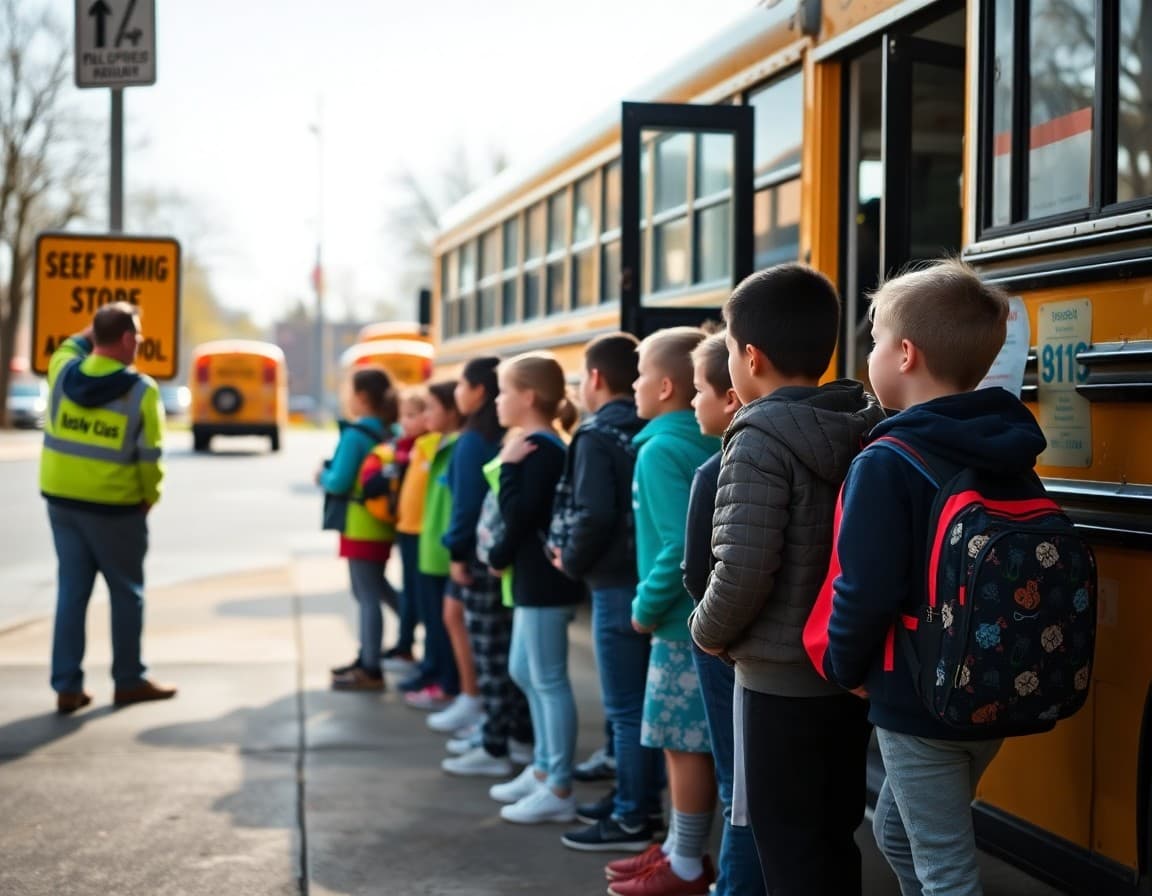
Transportation is one of the top sources of first-day confusion for families. Bus numbers change, stop times shift, and new students have no frame of reference at all. A clear, specific transportation newsletter sent the week before school opens prevents a flood of phone calls to the office and gets students to school on time from day one.
Start With the Basics: Route Numbers and Stop Locations
List every active bus route, the neighborhoods or streets it covers, and the designated stop locations. If your district uses a bus-tracking app, include the download link and instructions for linking a student ID to the app. Many families do not know such tools exist until someone tells them directly. Avoid listing addresses that change annually without confirming them with the transportation department first.
Publish Pickup and Drop-Off Times by Grade
Elementary, middle, and high school runs often operate on staggered schedules. A table with grade band, bus number, morning pickup time, and afternoon drop-off time is far easier to scan than a paragraph. Include a note about the typical range of early or late arrival on the first week, since traffic is heavier than usual and drivers are still learning their routes.
Explain What Happens at the Bus Stop
Walk families through what students should do: arrive five minutes early, stand back from the curb, wait for the bus to fully stop before approaching, and board in an orderly line. For elementary students, specify whether a parent or guardian must be present at pickup. Clarify the procedure for kindergarten students or students who require an adult handoff before the driver can release them.
Cover Bus Behavior and Safety Rules
Keep the rule list short and concrete. Something like: remain seated when the bus is moving, keep the aisle clear, follow driver instructions immediately, no food or open drinks, and electronic devices on silent. Explain the consequence for repeated violations, whether that is a written warning, a parent phone call, or temporary suspension of bus privileges. Families appreciate knowing the process before an incident happens.
Template Excerpt: Bus Route Confirmation Message
Here is an example paragraph you can adapt for your newsletter:
"Your student is assigned to Bus 14, which serves the Maplewood and Elm Street area. Morning pickup at the corner of Elm Street and Cedar Ave is at 7:42 AM. Afternoon drop-off is approximately 3:20 PM at the same location. Please arrive at the stop five minutes early. If your student misses the bus, call the transportation office at (555) 867-4200 before 8:00 AM."
Address Changes and How to Request Them
Some families will need to update their bus assignment due to a move, a new childcare arrangement, or an IEP accommodation. State the process clearly: submit a written request to the transportation office at least 48 hours in advance for temporary changes, and at least five business days in advance for permanent stop changes. Include the form link or office email address so families can act on the information right away.
Handle Special Circumstances in a Separate Section
Students with mobility devices, those on specialized routes for special education programs, or those with medical needs that affect transportation should receive individualized letters in addition to the general newsletter. A brief note in the main newsletter directing those families to contact the transportation coordinator separately avoids confusion while ensuring the right students get the right information.
Close With Contact Information and a Clear Call to Action
End the newsletter with the transportation office phone number and hours, the main school office number, and a deadline for submitting route change requests before the first day. One clear paragraph with all contact points is more useful than information scattered throughout the letter. Invite families to ask questions before the first day rather than discovering problems at 7:30 AM on opening morning.
Get one newsletter idea every week.
Free. For teachers. No spam.
Frequently asked questions
When should schools send the transportation newsletter?
Send it at least one week before school starts so families have time to find their bus stop, test the route, and ask questions. A follow-up reminder two days before the first day catches families who missed the first send. If route numbers or stop times change after the initial send, issue a correction immediately rather than waiting for families to find out on their own.
What information must be in a school bus safety newsletter?
At minimum, include bus numbers assigned to each neighborhood, stop locations and pickup times, drop-off procedures, and what students should do if they miss the bus. Add the phone number for the transportation office and any app or portal families can use to track the bus in real time. A short list of five to seven safety rules rounds out the essential content.
How do I handle transportation changes mid-year?
Create a standing template for transportation change announcements and send it the moment a change is confirmed. Include the old stop or time, the new stop or time, and the effective date. Follow up with a call or automated message if the change affects a large number of families. Document every change in the school's communication log so there is a record if disputes arise.
What should families do if their child misses the bus?
State the protocol clearly in the newsletter: families are responsible for getting the student to school if they miss the bus, and a tardy will be marked unless the office is notified. Provide the transportation office number and the main school number. Remind families not to drive to the bus depot unannounced, and clarify whether a late arrival requires a parent sign-in at the front office.
Can a platform like Daystage help with transportation communications?
Yes. Daystage lets you send a formatted transportation newsletter with bus route tables, embedded maps, and contact links in minutes. You can reuse the template each year and update only the stop times and route numbers, which saves significant prep time at the start of every school year.

Adi Ackerman
Author
Adi Ackerman is a former classroom teacher and curriculum writer with 8 years in K-8 schools. She writes about school communication, parent engagement, and what actually works in real classrooms.
More for Back to School
Ready to send your first newsletter?
3 newsletters free. No credit card. First one ready in under 5 minutes.
Get started free