
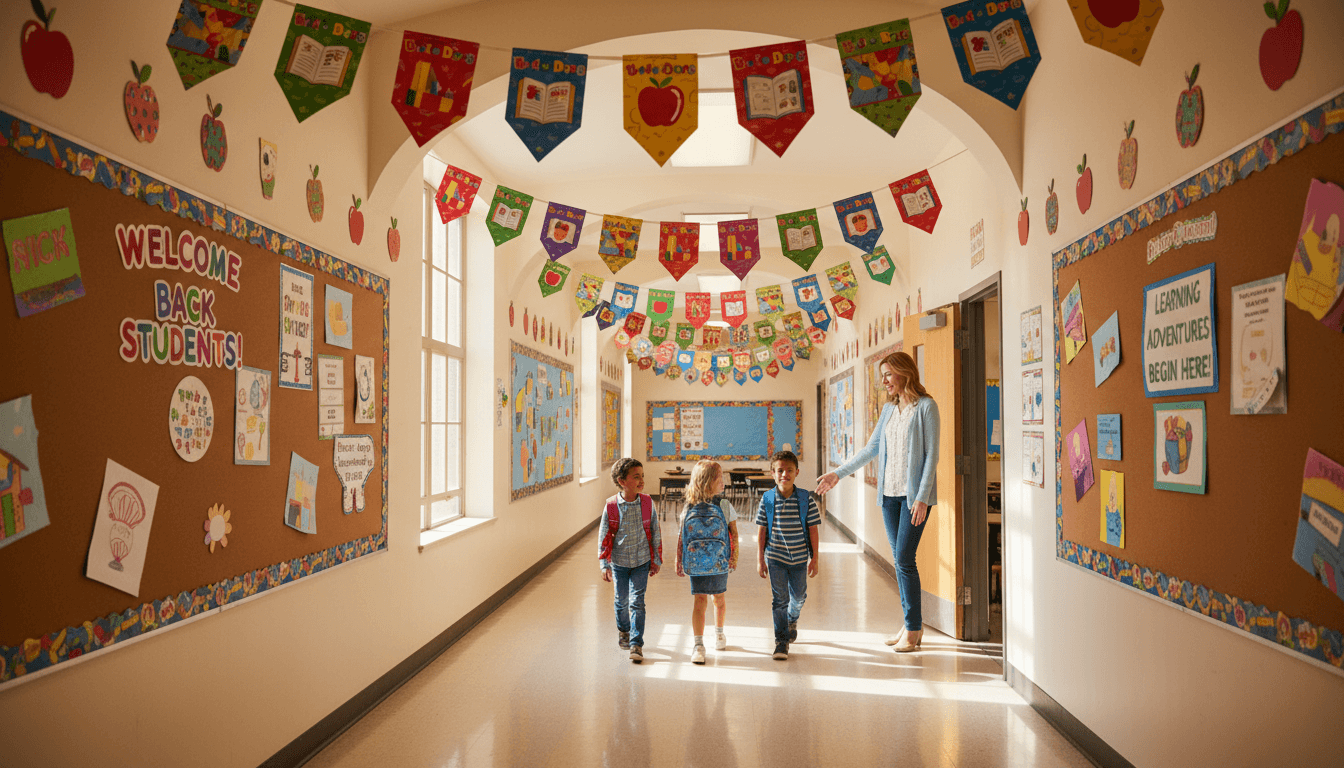
Back-to-School Social-Emotional Learning Newsletter for Families
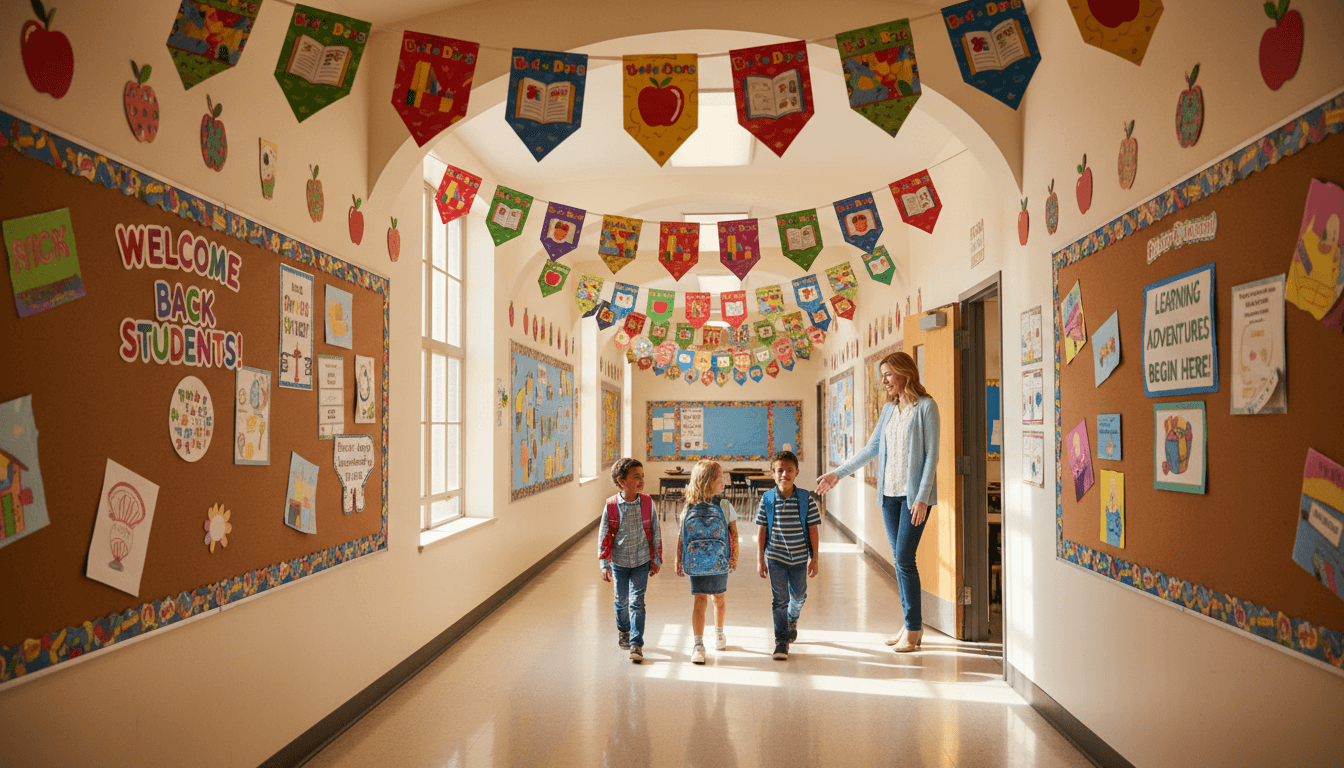
Social-emotional learning is now a named part of the school day in most K-12 programs, but many families are not sure what it means or how it connects to academics. A back-to-school newsletter that explains the school's SEL approach clearly and offers families concrete ways to participate at home builds the kind of alignment that makes the work more effective.
Explain what SEL means in your school
Skip the policy language. Tell families what students actually do during SEL time. Morning meetings. Conflict resolution conversations. Lessons on naming and regulating emotions. Practice with asking for help. Partner check-ins. Whatever your school's approach looks like, describe it as a practice, not a program. Families who can picture what their child is doing will ask better questions about it.
Name the curriculum or framework
If your school uses a named SEL program, introduce it briefly. "We use Second Step, a research-backed program that teaches students to manage emotions, solve problems, and build relationships. Students have a dedicated SEL lesson three times per week." One paragraph is enough. Families who want to know more can look it up.
Preview the year's focus areas
SEL curricula often organize by theme across the year. Tell families what their child will be focusing on. "In the fall, students will work on identifying emotions and understanding how they affect behavior. In the spring, we shift to problem-solving and conflict resolution." That kind of preview makes it easier for families to connect what their child talks about at dinner to what is happening in school.
Give families language for home conversations
The newsletter has more impact when it gives families something they can actually do. Two or three conversation prompts go a long way: "What was one thing that went well today?" or "Was there a moment today when you felt frustrated? What did you do?" These questions are easy to use and reinforce the same skills students are practicing in class.
Normalize difficulty and growth
One paragraph that acknowledges that SEL skills take time, that children will sometimes struggle with them, and that the goal is progress not perfection helps families approach their child's social development with patience. "If your child comes home frustrated after a hard day, that is the skill in practice. It does not mean the program is not working."
Get one newsletter idea every week.
Free. For teachers. No spam.
Frequently asked questions
What should a back-to-school SEL newsletter explain to families?
What SEL is and why the school prioritizes it, which curriculum or approach the school uses, what students will be practicing during the year, and how families can reinforce those skills at home.
How do you explain SEL to families who are skeptical or unfamiliar with it?
Keep the language concrete and skip the acronyms. 'We teach students how to handle frustration, work through disagreements, and ask for help when they need it' is clearer than 'social-emotional competency development.' Focus on outcomes families recognize.
Should the newsletter mention specific SEL programs by name?
Yes. If your school uses RULER, Second Step, CASEL-aligned programming, Responsive Classroom, or another named program, mention it. Families can learn more if they want to, and naming the program signals that the approach is organized rather than informal.
How can the newsletter connect SEL to home life?
Suggest one or two conversation prompts families can use with their child at dinner or bedtime. 'What was the hardest feeling you had today, and what did you do with it?' is more actionable than 'talk about emotions at home.'
How does Daystage support SEL communication?
Daystage lets counselors and classroom teachers send SEL-focused newsletters to families throughout the year, keeping families connected to the skills students are building in school.

Adi Ackerman
Author
Adi Ackerman is a former classroom teacher and curriculum writer with 8 years in K-8 schools. She writes about school communication, parent engagement, and what actually works in real classrooms.
More for Back to School
Ready to send your first newsletter?
3 newsletters free. No credit card. First one ready in under 5 minutes.
Get started free