
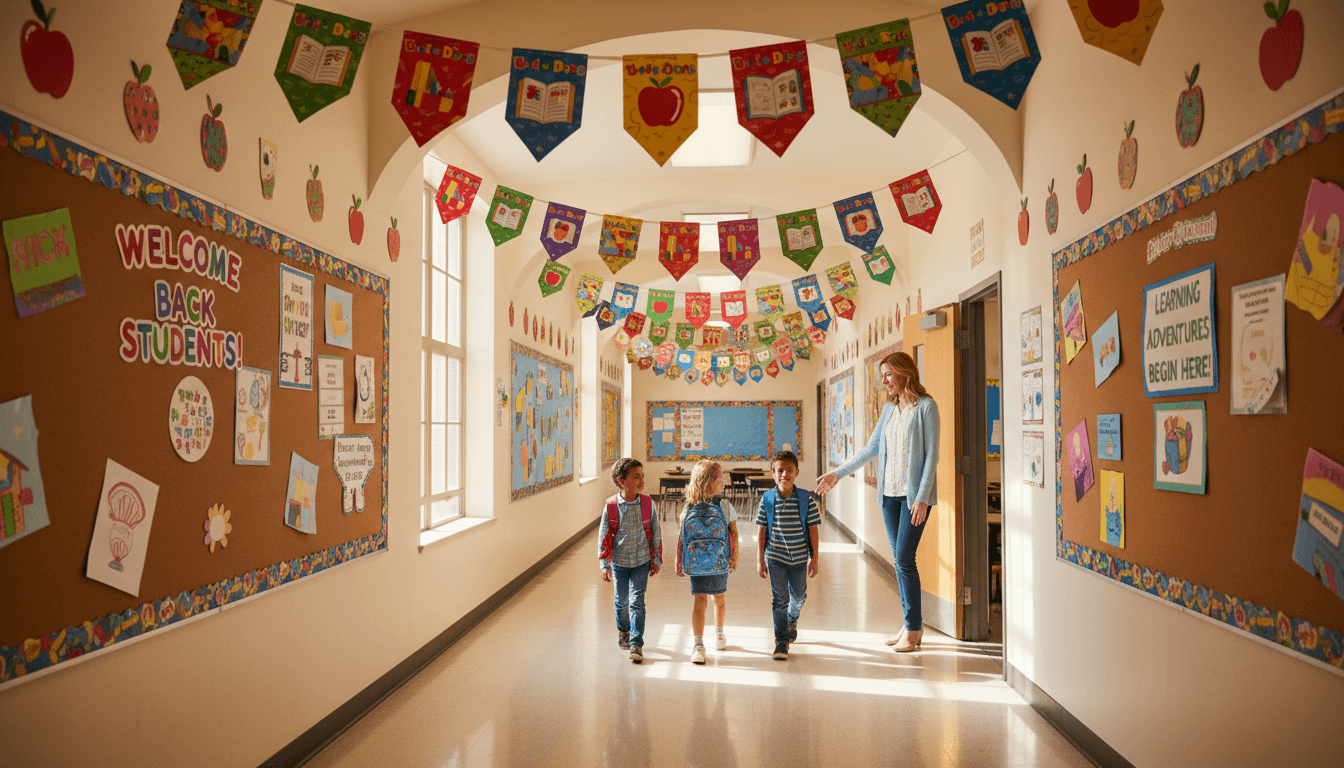
Welcome Back to School Letter from Principal to Families
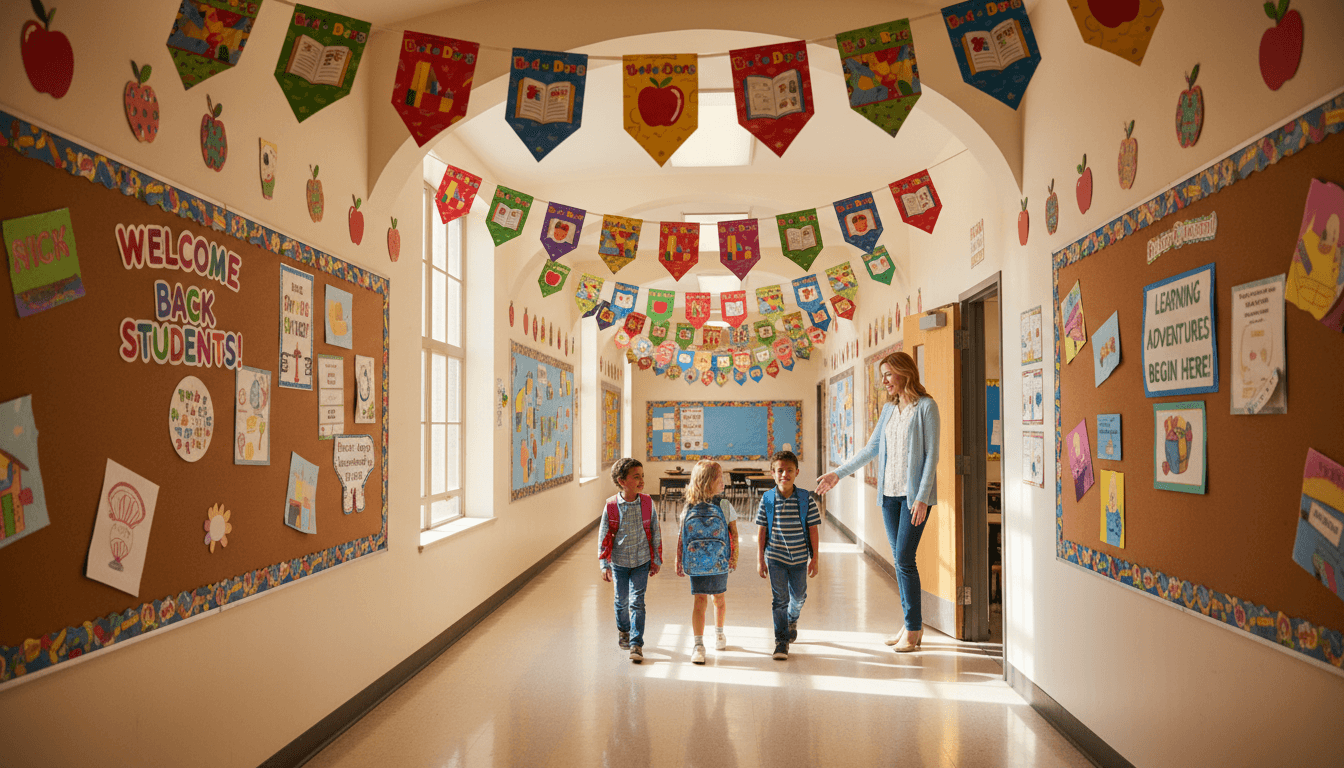
The principal's welcome letter is the school's first official word to families before the year begins. It shapes how families feel about the school heading into September. Writing it well is not complicated, but most principals default to a template that sounds like every other school letter they have ever received.
Here is how to write one that actually connects.
Open with something real, not a formula
"Dear Families, I am excited to welcome you to the 2026-2027 school year at Lincoln Elementary" is how every principal letter starts. Families read the first sentence and already know what the next three paragraphs will say.
Instead, open with one specific thing. A project you saw come to life last spring that you want to build on. A change the school made this year that you are genuinely proud of. A moment from the last week of school that stuck with you over the summer. That specificity signals that the letter comes from a person, not a communications template.
You do not need to manufacture drama. A simple, honest opening works: "After spending the summer planning with our teachers, I am genuinely excited about what we have lined up for this year. Here is what to expect."
Cover the school year at a glance
Families want a quick orientation to the school calendar. Include three to five key dates from the opening month: first day of school, any early release days, back-to-school night, and any school-wide events in September.
Format these as a short bulleted list, not prose. Parents will save this list. They will not save two paragraphs about the school calendar.
If there are school-wide policy changes this year, the welcome letter is the right place to flag them. One sentence per change is enough. "This year we are moving to a paperless absence reporting system. Families can submit absence reports through the parent portal."
Introduce your staff if anything changed
If you have new teachers, a new counselor, or new support staff, the welcome letter is the right place to acknowledge them. A single sentence is enough. "We are welcoming three new teachers this year: Ms. Thompson in third grade, Mr. Okafor in fifth grade, and Ms. Rivera in our resource room."
Do not go into full biographies in the principal letter. Families will get teacher introductions directly from their classroom teachers. Your job is to signal that the team is in place and ready.
Explain how families can stay connected
Tell families how the school communicates and where to find information. School website, newsletter schedule, the main office phone number for urgent matters. If your school uses a communication app or portal, include the name and where to access it.
Tell families when they will hear from you. "I send a school-wide newsletter every two weeks on Fridays. Classroom teachers send their own weekly newsletters." That sentence sets expectations and reduces the volume of individual parent emails asking for information that will come in the newsletter anyway.
Be honest about the year ahead
The best principal welcome letters acknowledge that the year will have challenges, not just exciting plans. "We know the first few weeks involve adjustment for students and families. We are here for that transition and our door is open."
Principals who write letters that are relentlessly positive about everything feel unreachable. A small acknowledgment of reality signals that you understand what families actually experience and that you are a real ally, not a figurehead.
Close with a clear invitation
End with one specific way families can connect with you before the year starts. Back-to-school night date, an open office hour, or simply your email and a sincere note that you welcome questions.
The welcome letter should leave families feeling that the school is organized, the principal is present, and the year is going to be worth showing up for. That is a low bar, but it is one that too many welcome letters fail to clear.
Get one newsletter idea every week.
Free. For teachers. No spam.
Frequently asked questions
When should a principal send the welcome back to school letter?
Three to four weeks before the first day. This gives families time to review school-wide information before they receive classroom-specific communication from teachers. The principal sets the school-wide context first, then classroom teachers fill in the details.
What should a principal include in a welcome back letter to families?
Five things: a brief personal note on the school's direction this year, key dates for the opening weeks, any school-wide policy changes, how families can stay connected with the school, and a warm, specific close. Keep it under 500 words. Principals who write long welcome letters signal that every communication will be long.
What tone should a principal use in a welcome back letter?
Honest and specific, not institutional. Parents read enough generic communication from schools. A principal who references something real from last year, or names a specific initiative the school is starting, sounds like someone who actually runs the building instead of someone who signed off on a template.
What do principals most often get wrong in welcome back letters?
Using the letter to restate policies families already know instead of building excitement for the year. If the entire letter is about drop-off procedures and the dress code, it reads as administrative, not welcoming. Save routine policies for the student handbook. Use the welcome letter to tell families what is new and why they should be glad their child is at your school.
How can Daystage help principals send welcome back letters?
Daystage makes it easy for principals to send school-wide newsletters to all families at once, with no email list management needed. You can schedule the welcome letter in advance and set up the communication sequence for the whole school year from one place.

Adi Ackerman
Author
Adi Ackerman is a former classroom teacher and curriculum writer with 8 years in K-8 schools. She writes about school communication, parent engagement, and what actually works in real classrooms.
More for Back to School
Ready to send your first newsletter?
3 newsletters free. No credit card. First one ready in under 5 minutes.
Get started free