

Back to School Reading List Newsletter: Books for Your Grade
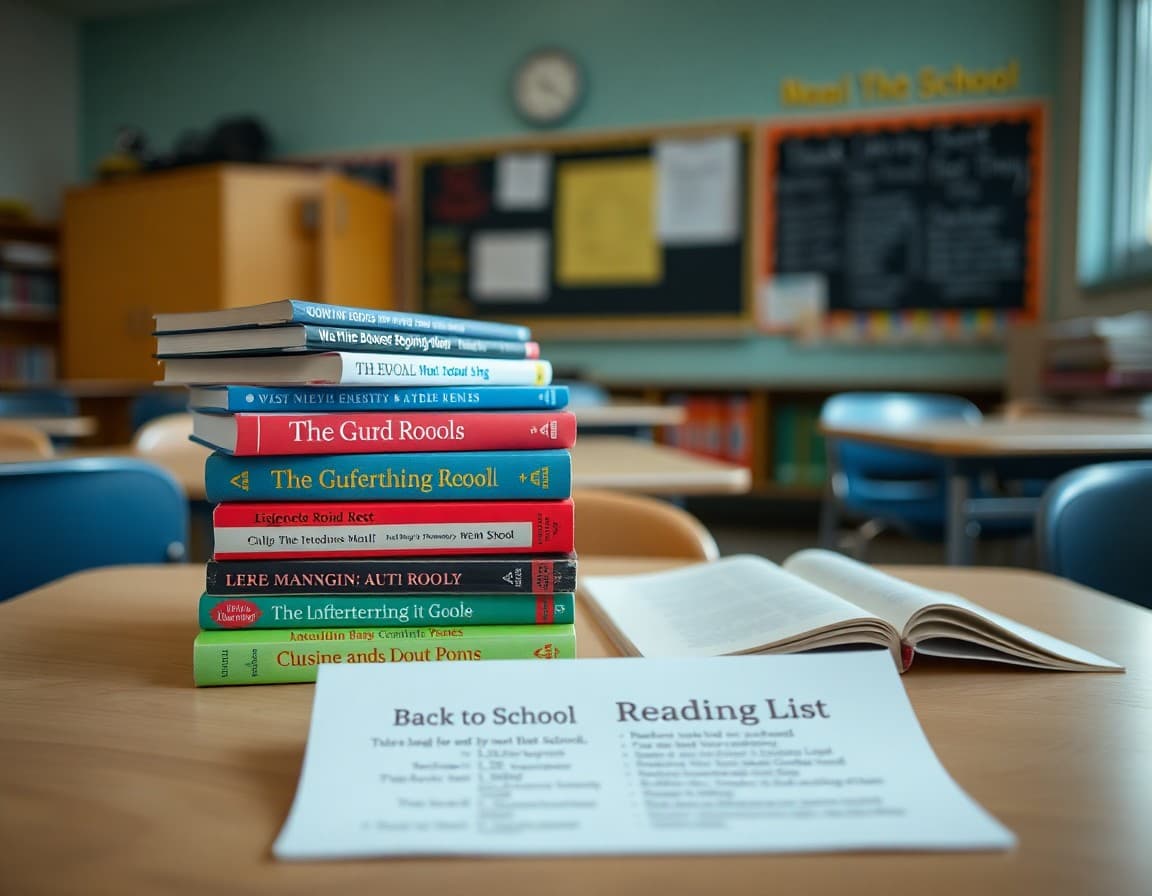
A reading list newsletter that is vague or sent too late creates stress rather than enthusiasm. Families need enough time to find the books, and students need enough clarity on what is expected to do the work correctly. The reading list newsletter is a practical logistics document more than an inspiring literature catalog.
Separate Required Titles From Recommended Reads
Put required books in a clearly labeled section at the top. For each required title, give the author name, a one-sentence description of the book's theme or content, and the ISBN or cover image so families can confirm they have the right edition. Below the required list, add a recommended reading section with brief annotations explaining why each title is worth the time. One sentence per book is enough: "A gripping historical novel about the civil rights movement told from a teenager's perspective."
Explain the Summer Reading Assignment Specifically
If required reading comes with an assignment, describe it in detail: a reading response journal with entries for each chapter, a project presented the first week of school, or a reading log with parent signature submitted on day one. State the length, format, and evaluation criteria. A student who spends the summer reading the required book and then discovers a surprise project on the first day is starting the year frustrated, not engaged.
State Where Families Can Access the Books
List three access paths: purchase from a bookstore or online retailer, borrow from the school or classroom library, or request from the public library. Include the direct URL to your public library's catalog search page. If your school subscribes to Sora or another digital student reading app, include the login instructions. Many families only discover these resources when a teacher mentions them directly.
Address Reading Level Questions
If required books are the same title for the whole class, note the reading level and whether audio versions are available for students who struggle with print. If each student's reading requirement is individualized, explain how families find out their student's level and book selection. For middle and high school, note whether the reading list differs by honors, standard, or ELL tracks.
Template Excerpt: Summer Reading Reminder
Here is a paragraph you can adapt:
"Required reading for all 7th graders this summer: 'Esperanza Rising' by Pam Munoz Ryan (ISBN 978-0439120425). Students should keep a reading journal with a one-paragraph entry for each of the 14 chapters. Bring the completed journal to class on September 4. The journal counts for 30 points toward the first quarter grade. Copies are available at the public library (library.yourcity.gov) or through the Sora app using your school login."
Recommend Strategies for Reading Together at Home
For elementary students, suggest that families read the required book aloud together or alongside their child. For middle school, recommend ten minutes of discussion after every two chapters using three questions you provide in the newsletter. This section reinforces reading as a family activity and signals that engagement at home matters to you, not just completion of the assignment.
Handle Reading Challenge Books and Extensions
If your school runs a reading challenge, book club, or independent reading program that goes beyond the required list, describe it here. Include the reading log link, how students submit their progress, and what incentives or recognition are available. Some students read 20 books over the summer and want a way to track and share that. Giving them a path keeps strong readers engaged.
Close With a Note About Celebrating Reading This Year
End with one sentence about how reading fits into your classroom this year: a classroom read-aloud every Friday, a student book review board in the hallway, or a schoolwide reading challenge in March. Families who understand that reading is woven into the year, not just a summer obligation, support it differently at home. That understanding starts with how you frame the reading list at the start.
Get one newsletter idea every week.
Free. For teachers. No spam.
Frequently asked questions
What should a back to school reading list newsletter include?
Include the required reading titles with author names and ISBN numbers if available, the distinction between required and recommended books, the summer reading assignment expectations if any, where families can access the books (school library, public library, digital lending), any written assignment connected to summer or first-semester reading, and the deadline for any reading log or project submission.
How do I make the reading list newsletter accessible to families with limited budgets?
Include the public library link alongside purchase options, note whether the school or classroom library holds copies, and flag any titles available for free through digital services like Libby, Sora, or Project Gutenberg. Many families will not purchase books if they know free options exist and simply need to be told where to look. Normalizing library use in the newsletter increases reading access across all income levels.
Should summer reading lists include only required books or recommended reads too?
Both, clearly labeled. Required books with an assignment attached should be listed first with the assignment expectations clearly stated. Recommended books below that list give strong readers more options and signal to families that reading for pleasure is valued, not just reading for grades. A short annotated list of why each recommended title is worth reading is more effective than a bare title and author.
What happens if a student has not completed required summer reading?
State the consequence clearly in the newsletter: a quiz on the first day or week, a grade that counts toward the first quarter, or a written make-up assignment. Families who know what is at stake in advance make more informed decisions about prioritizing summer reading. Discovering the consequence for the first time at a parent conference in October damages trust.
Can Daystage help send a reading list newsletter with embedded library links?
Yes. Daystage lets you embed clickable links to each book on the public library's catalog, Amazon, and the Sora or Libby digital lending platform directly in the reading list newsletter. Families can access the books they want in one click rather than searching separately for each title.

Adi Ackerman
Author
Adi Ackerman is a former classroom teacher and curriculum writer with 8 years in K-8 schools. She writes about school communication, parent engagement, and what actually works in real classrooms.
More for Back to School
Ready to send your first newsletter?
3 newsletters free. No credit card. First one ready in under 5 minutes.
Get started free