
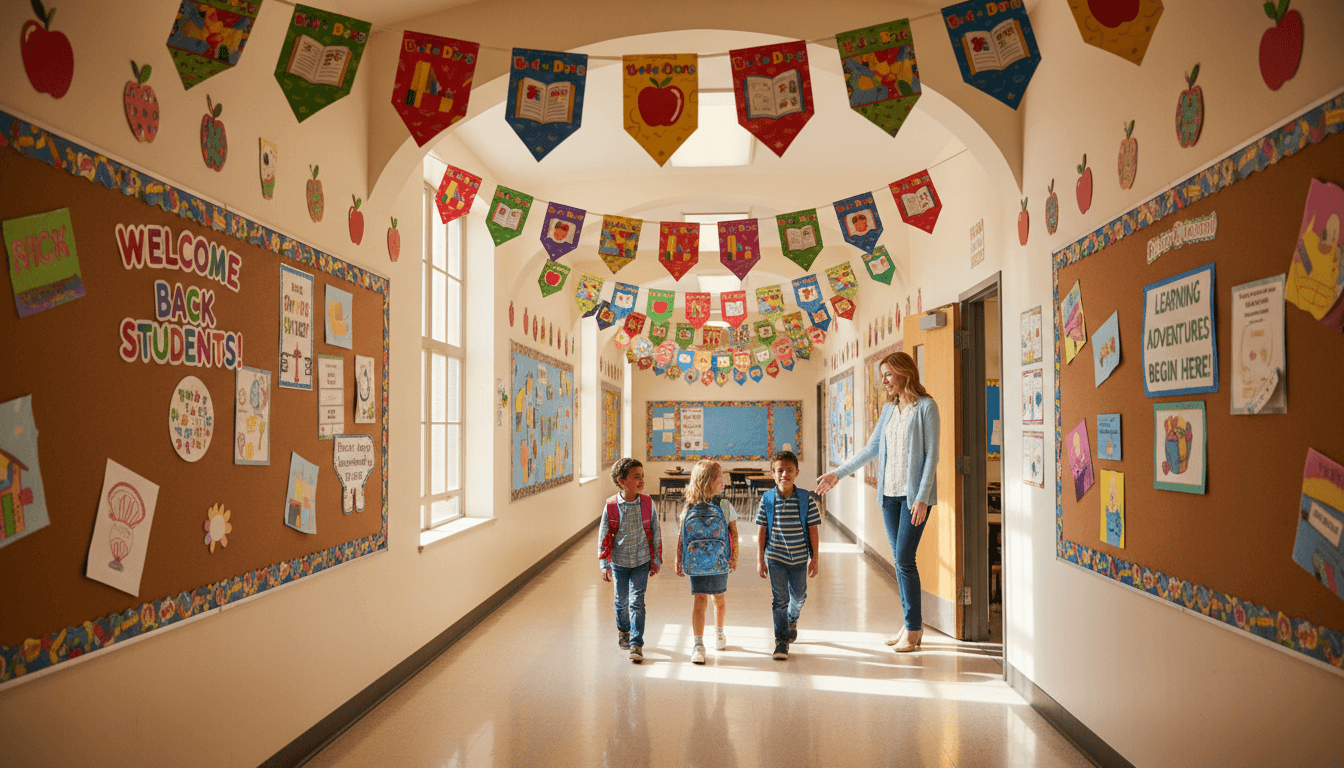
Back-to-School Newsletter for Special Education Families
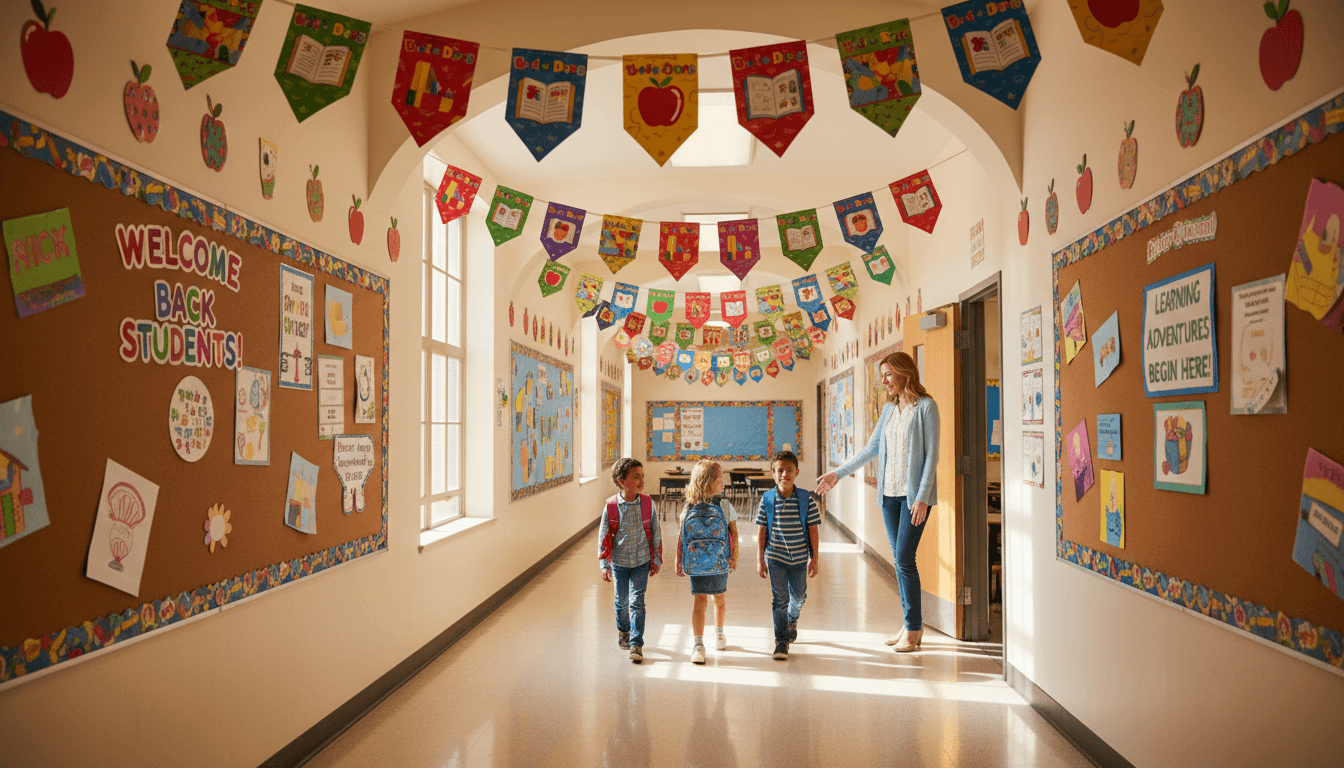
Families of students in special education bring a specific kind of attention to back-to-school season. They have learned to ask questions early, to verify that last year's notes were passed forward, and to make sure the right team is in place before the first bell. A thoughtful newsletter from their child's special education teacher in the weeks before school starts addresses that attention directly.
Lead with the team
The first thing families want to know is who is responsible for their child this year. Name the case manager, the classroom teacher if different, the paraprofessionals assigned to the room, and any related service providers who are part of the student's IEP team. Include a direct email address or phone number for the person families should contact first.
For families who experienced team changes over the summer, this section of the newsletter is the most important. A new case manager who proactively introduces themselves before school starts builds trust faster than any formal IEP meeting ever will.
Confirm the placement
Briefly confirm the program or classroom setting: inclusion, resource room, self-contained, co-taught. If there were changes from last year, acknowledge them. "Your child will be in Ms. Torres's third-grade inclusion classroom this year with daily pull-out support" tells a family more in one sentence than an abstract program description.
Do not go into service minutes or specific accommodations in the newsletter. That level of detail belongs in a phone call or the formal IEP document. The goal here is orientation, not documentation.
Set the communication rhythm
Families of students with IEPs often want more frequent contact than the general parent population. Let them know how you plan to communicate: weekly email updates, a communication notebook that goes home each day, or a quick Friday check-in. Whatever your system is, name it clearly in the newsletter so families know what to expect.
If you use a home-school communication log or data sheet, mention it here. "Starting the second week of school, you will receive a daily communication sheet in your child's folder. It covers how the day went, what we worked on, and any notes I want to share."
Address the transition
For many students in special education, transitions are genuinely hard. Use the newsletter to offer practical support. Share a photo of the classroom if the school allows it. Mention whether a preview visit is possible before the first day. If you are sending home a social story or schedule visual, reference it here.
Even a brief acknowledgment that transitions can be difficult for some students, and that you are prepared to support them, tells families you understand what they are carrying into the new year.
Invite them to reach out
Close the newsletter with a clear invitation to contact you before school starts if there is anything they want you to know. "If there is anything that happened over the summer that I should know before the first day, please reach out. I want to be ready."
That sentence is powerful. It signals that you see the family as a partner, that you are not going in blind, and that there is a channel open before the formal school year begins. Most families will not take you up on it. But knowing the door is open matters.
Get one newsletter idea every week.
Free. For teachers. No spam.
Frequently asked questions
What should a special education back-to-school newsletter include?
It should cover the student's placement, who their primary point of contact is, how IEP goals will be tracked this year, and when the first check-in is scheduled. Families of students with IEPs want to know the team is prepared before school starts.
Should the newsletter mention specific IEP details?
No. The newsletter is a general welcome and communication overview. Specific IEP goals, accommodations, and service minutes belong in a direct conversation or meeting. Use the newsletter to tell families who to contact, not to transmit confidential documents.
How is a special education newsletter different from a general classroom newsletter?
The tone is more relational and the content is more specific to services. Families of students in special education often have a longer history with the school and more detailed questions. Acknowledging that history and naming the team clearly goes a long way.
When should special education back-to-school newsletters go out?
At least a week before school starts, ideally two weeks. These families often need more time to prepare their child for transitions, and an early newsletter gives them time to ask questions before the first day.
How does Daystage help special education teachers communicate with families?
Daystage lets special education teachers send newsletters directly to their caseload families without going through a general school-wide distribution. You reach your specific families with information that is relevant to them.

Adi Ackerman
Author
Adi Ackerman is a former classroom teacher and curriculum writer with 8 years in K-8 schools. She writes about school communication, parent engagement, and what actually works in real classrooms.
More for Back to School
Ready to send your first newsletter?
3 newsletters free. No credit card. First one ready in under 5 minutes.
Get started free