
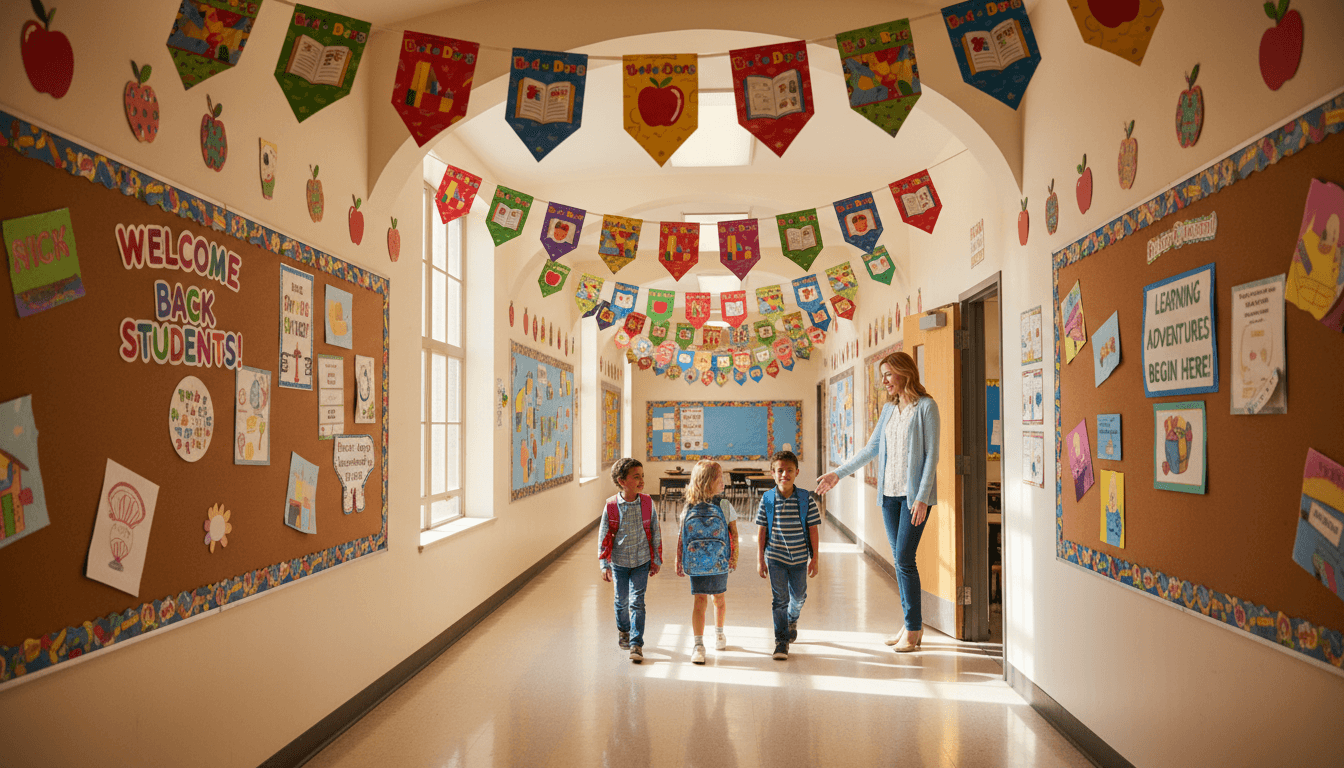
Back-to-School Curriculum Overview Newsletter for Families
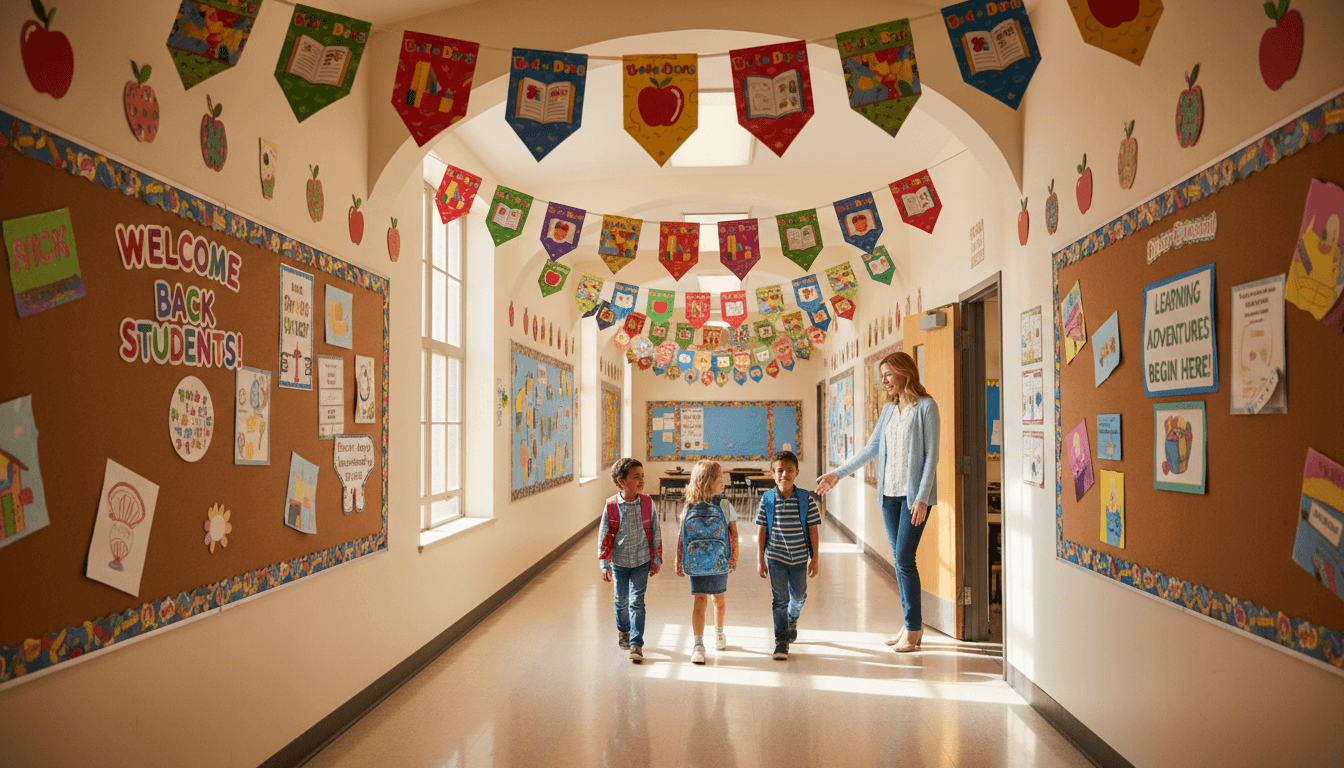
Families who understand what their child is learning each year are more useful partners than those who receive grades at the end of a term with no context. A curriculum overview newsletter sent at the start of the year gives families the frame they need to follow along, ask better questions, and support their child through the hard parts.
Open with the year's big ideas
Before listing units, name the big questions or themes that will run through the year. "This year in fifth grade we are asking: What makes a society? How do people make decisions when they disagree? What does it mean to be responsible for each other?" That framing tells families the intellectual ambition of the year and gives them something to talk about with their child long before a specific unit begins.
Walk through each subject area
One paragraph per subject is enough for most families. Name the major units in sequence, when they roughly happen, and any materials or programs used. "In math, we begin with place value and multiplication, move to fractions in November, and spend the spring on data and geometry. We use Eureka Math as our primary resource." That is all families need to follow along.
Flag projects that require family awareness or input
Some projects involve interviews, family artifacts, data collection at home, or materials that need to be gathered in advance. Mention those specifically and early so families are not blindsided by a request with a two-day deadline. "In the spring, students build a bridge model as part of our engineering unit. They will bring home a materials list in March."
Explain your grading approach briefly
If your school uses standards-based grading, a portfolio system, or any approach that differs from a traditional letter grade scale, describe it here. "Grades in this class reflect mastery of specific skills, not effort or participation. A student who understands the material will score well regardless of how many times they needed to practice it." Families who understand how grades are calculated have more useful conversations at conferences.
Suggest how families can support learning at home
One section with three to five concrete suggestions. Reading daily. Asking about what was learned rather than what grade was received. Helping your child find a quiet place to work. These are not surprising suggestions but seeing them in the curriculum letter gives them weight and gives families permission to ask their child the right questions.
Get one newsletter idea every week.
Free. For teachers. No spam.
Frequently asked questions
What should a curriculum overview newsletter include?
The major units or topics for the year in each subject area, approximately when they will be taught, the textbooks or programs being used, and how families can support learning at home. You do not need the full scope and sequence. Give families the highlights.
How much detail is the right amount for a curriculum newsletter?
One paragraph per subject area for elementary teachers. For secondary teachers who teach one subject, two to four paragraphs covering major units. More than that and families stop reading. The goal is orientation, not a syllabus.
Should the curriculum newsletter mention upcoming projects or special assignments?
Briefly, if the projects require materials or family involvement. 'In October, students will complete a family history project that involves interviewing a relative' is useful advance notice. Do not list every assignment.
How do you explain curriculum choices without sounding defensive?
State the rationale briefly and move on. 'We use a workshop model for writing because students learn best when they write frequently and receive regular feedback on their own work' explains the approach in one sentence without over-justifying it.
How does Daystage help teachers share curriculum information with families?
Daystage lets teachers attach resources, links, and unit previews directly to their newsletters so families can access supplementary materials without navigating a separate platform.

Adi Ackerman
Author
Adi Ackerman is a former classroom teacher and curriculum writer with 8 years in K-8 schools. She writes about school communication, parent engagement, and what actually works in real classrooms.
More for Back to School
Ready to send your first newsletter?
3 newsletters free. No credit card. First one ready in under 5 minutes.
Get started free